







Contents:
- Understanding Hair Growth and Nutritional Needs
- Iron Deficiency: The Most Common Nutritional Culprit
- Vitamin B12 and Hair Loss: The Vegan Risk
- Vitamin D Deficiency and Hair Thinning
- Biotin and Hair Strength
- Zinc Deficiency: Less Common but Significant
- Lesser-Known Deficiencies Worth Mentioning
- Copper Deficiency
- Protein and Amino Acids
- Folate (Vitamin B9)
- Common Mistakes to Avoid
- Practical Steps to Identify Your Deficiency
- Step 1: Get a Blood Test
- Step 2: Track Your Symptoms
- Step 3: Examine Your Diet
- Step 4: Note Medications and Conditions
- Step 5: Start Gradual Changes
- Cost Breakdown: Testing and Treatment
- When to Seek Professional Help
- Timeline: Expecting Recovery
- Frequently Asked Questions
- Can I have multiple deficiencies at once?
- How long does it take for supplementation to work?
- Is biotin supplementation worth the hype?
- Can I overdose on vitamins and minerals?
- Does vegetarian or vegan diet automatically cause hair loss?
- What if my hair loss isn’t related to deficiency?
- Restoring Hair Through Nutritional Balance
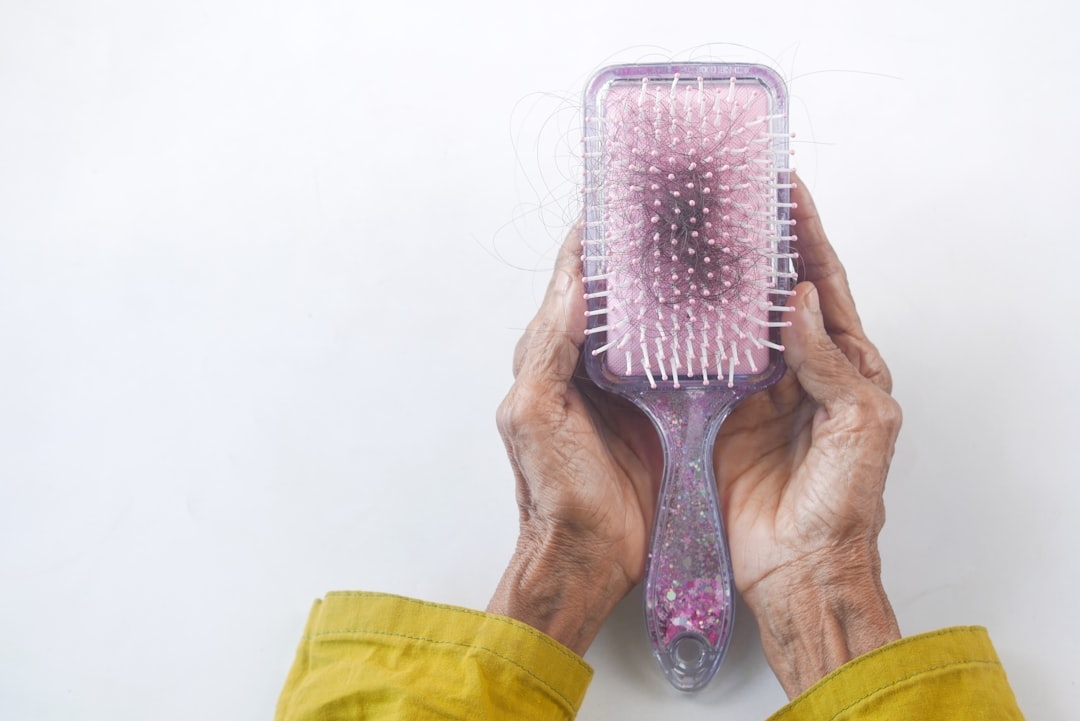
You’ve noticed more strands in your shower drain than usual. Your bathroom mirror tells a story you’d rather not read. Hair loss is distressing, and it’s tempting to assume it’s purely genetic or stress-related. But the culprit might be simpler: your body is signalling that it’s missing something fundamental.
A surprisingly high percentage of people experience hair loss due to nutritional deficiencies. What makes this frustrating—and hopeful—is that these deficiencies are often addressable. Unlike pattern baldness, which is hardwired into your DNA, vitamin and mineral shortages can be corrected, and hair growth often rebounds.
Understanding Hair Growth and Nutritional Needs
Before diving into specific deficiencies, it’s useful to understand how hair actually grows. Your hair follicles are living tissue with metabolic demands. They require amino acids, iron, B vitamins, zinc, and various other nutrients to function optimally. When your body doesn’t have enough of these nutrients, it prioritises vital organs—your heart, brain, lungs—and hair follicles drop down the list of priorities.
Hair growth happens in three phases: anagen (growth phase lasting 2-7 years), catagen (transition phase lasting 2-3 weeks), and telogen (resting phase lasting 2-3 months). A healthy scalp has roughly 85-90% of hairs in the anagen phase. When nutrition is poor, more hairs shift into the telogen phase prematurely, triggering what’s called telogen effluvium—diffuse hair shedding across the scalp.
The timeline matters too. Because hair grows in cycles, deficiency-related hair loss typically appears 2-3 months after the nutritional problem begins. This lag is why some people don’t immediately connect their new hair loss to a diet change or illness that reduced nutrient absorption.
Iron Deficiency: The Most Common Nutritional Culprit
Iron deficiency is the leading nutritional cause of hair loss, particularly in women of reproductive age. Iron is essential for haemoglobin production, which carries oxygen to hair follicles. Without adequate iron, follicles simply can’t perform their job.
Women are at higher risk because menstruation depletes iron stores monthly. The recommended daily intake for women aged 19-50 is 18mg, but many fall short. Vegans and vegetarians face particular challenges because plant-based iron (non-haem iron) is absorbed less efficiently than iron from meat (haem iron).
Signs of iron-deficient hair loss include diffuse thinning across the entire scalp rather than localized patches, brittle nails, fatigue, and shortness of breath. A simple blood test checking ferritin levels (the body’s iron storage marker) confirms the diagnosis. Optimal ferritin levels for hair health are around 70-100 ng/mL, though many labs consider 30 ng/mL “normal.”
Addressing iron deficiency: Red meat, poultry, beans, lentils, fortified cereals, and dark leafy greens provide iron. Pairing iron-rich foods with vitamin C sources (citrus, tomatoes, bell peppers) significantly improves absorption. If dietary changes aren’t sufficient, iron supplementation—typically 25-50mg daily—can restore levels within 3-6 months. However, iron supplements should be taken under medical supervision, as excess iron carries its own risks.
Vitamin B12 and Hair Loss: The Vegan Risk
Vitamin B12 supports red blood cell formation and maintains the myelin sheath around nerve cells. Hair follicles depend on healthy circulation and nerve signalling, making B12 critical for hair growth.
B12 deficiency is particularly common in vegans and vegetarians, since B12 is naturally found only in animal products. Older adults, people with pernicious anaemia, and those taking metformin for diabetes also face elevated risk. The body stores B12 for several years, so deficiency develops slowly—sometimes taking 5-10 years to become symptomatic after dietary changes.
Hair loss from B12 deficiency often includes other symptoms: tingling fingers or toes, brain fog, mood changes, and a swollen, pale tongue. Blood tests measure both B12 levels and methylmalonic acid (MMA); elevated MMA indicates true deficiency even if B12 appears borderline.
Addressing B12 deficiency: Non-vegans can increase intake through beef, fish, eggs, and dairy. Vegans require fortified foods (plant-based milks, nutritional yeast, fortified cereals) or supplements. Oral B12 supplements work for most people, though those with absorption issues may need intramuscular injections (typically 1,000 micrograms monthly). Hair regrowth usually follows within 2-3 months of adequate supplementation.
Vitamin D Deficiency and Hair Thinning
Vitamin D regulates the immune system and influences hair follicle cycling. Deficiency disrupts this cycle, pushing more hairs into the telogen (shedding) phase. Studies show that people with alopecia (hair loss conditions) are significantly more likely to have low vitamin D.
The UK gets limited sunlight, especially October through March, making vitamin D deficiency common. The NHS recommends 10 micrograms (400 IU) daily for adults, but many dermatologists suggest 1,000-2,000 IU for optimal hair health. Blood tests measure 25-hydroxyvitamin D; levels above 30 ng/mL are considered sufficient, but levels of 40-60 ng/mL appear beneficial for hair.
Vitamin D deficiency doesn’t always produce obvious symptoms. You might notice hair loss without experiencing the muscle aches or bone pain more commonly associated with severe deficiency.
Addressing vitamin D deficiency: Limited dietary sources exist (fatty fish, egg yolks, fortified milk), making supplementation the most reliable approach. Vitamin D3 supplements (1,000-2,000 IU daily) are inexpensive—typically £0.02-£0.08 per day for quality brands. Sun exposure helps, but in the UK, supplementation is generally necessary year-round. Hair loss improvement usually takes 3-6 months as vitamin D levels build.
Biotin and Hair Strength
Biotin, or vitamin B7, is widely marketed for hair health, and for good reason. It supports the production of keratin, the protein that forms hair structure. True biotin deficiency is rare—it’s estimated to affect fewer than 1 in 100,000 people—but marginal deficiency might contribute to weak, brittle hair.
Biotin deficiency is more common in people taking certain medications (anticonvulsants, antibiotics) or those with genetic disorders affecting biotin metabolism. Most people consuming a varied diet get adequate biotin from eggs, almonds, sweet potatoes, spinach, and salmon.
The recommended daily intake is 30 micrograms. Clinical trials on biotin supplementation show mixed results for healthy people, but some studies suggest 2.5mg daily may improve hair quality in people with weak or thinning hair. Results take 2-3 months to become apparent.
Addressing biotin insufficiency: Food sources are effective and inexpensive. One large egg provides 25 micrograms; a handful of almonds provides 1.3 micrograms; a medium sweet potato provides 2.4 micrograms. If you’re concerned about intake, biotin supplements are inexpensive (£3-£8 monthly for 2.5mg doses) and safe—excess biotin is water-soluble and excreted by the kidneys.
Zinc Deficiency: Less Common but Significant
Zinc enables protein synthesis and cell division, both essential for hair growth. It also regulates sebum production, keeping the scalp healthy. Zinc deficiency causes widespread hair loss alongside other symptoms: delayed wound healing, immune dysfunction, and skin rashes.
True zinc deficiency is uncommon in the UK among people eating meat, shellfish, legumes, and seeds. However, strict vegans, people with malabsorption disorders (Crohn’s disease, coeliac disease), or those taking certain medications (corticosteroids, some antibiotics) are at risk. Excessive supplementation of iron or calcium can interfere with zinc absorption, creating a secondary deficiency.
The recommended daily intake is 8mg for women and 11mg for men. Hair loss from zinc deficiency is typically accompanied by skin problems, weak immunity, and slow wound healing.
Addressing zinc deficiency: Oysters contain the most zinc (6mg per oyster), but beef, crab, cashews, and chickpeas provide substantial amounts. A 100g serving of beef contains approximately 5-6mg. If supplementing, 15-30mg daily is typically sufficient; higher doses can cause nausea and, with long-term use, copper deficiency. Hair regrowth appears within 2-3 months of addressing deficiency.
Lesser-Known Deficiencies Worth Mentioning
Copper Deficiency
Copper is needed for melanin production (hair colour) and collagen formation (hair strength). Deficiency is extremely rare but can occur with excessive zinc supplementation or malabsorption conditions. Symptoms include premature greying, weak hair, and anaemia.
Protein and Amino Acids
Hair is 95% protein. Severe protein malnutrition causes diffuse hair loss, though this is uncommon in developed countries. Vegetarians and vegans eating insufficient legumes and plant proteins might experience marginal deficiency. The recommended daily intake is 0.8g per kilogram of body weight—roughly 50-60g daily for a 70kg adult.
Folate (Vitamin B9)
Folate supports cell division in hair follicles. Deficiency is more common in people with poor diets and those taking certain medications. Green leafy vegetables, legumes, and fortified cereals provide folate.
Common Mistakes to Avoid
Several misconceptions can delay effective treatment. Avoid these pitfalls:
- Assuming hair loss is always genetic: Genetics plays a role, but nutritional deficiencies are reversible. A blood test takes 5 minutes; assumptions cost months of unnecessary hair loss.
- Buying supplements without testing: Supplements are not a substitute for diagnosis. Taking biotin for 6 months when your actual problem is iron deficiency won’t help. Invest in testing first.
- Expecting overnight results: Hair growth is slow. New hairs must reach the scalp surface (roughly 6 inches per year) before you see them. Be patient for 3-6 months before concluding a treatment isn’t working.
- Overdoing supplementation: More isn’t always better. Excess iron, zinc, and vitamin A are toxic. Stick to recommended daily amounts unless medically supervised.
- Ignoring absorption factors: Taking iron supplements with coffee or calcium blocks absorption. Taking B12 with certain medications reduces effectiveness. Timing and food pairings matter.
- Neglecting the scalp: Hair loss from deficiency is often accompanied by scalp inflammation. Address this with gentle cleansing and avoid harsh treatments while your body heals.

Practical Steps to Identify Your Deficiency
Step 1: Get a Blood Test
Ask your GP for a “nutritional assessment” or “micronutrient panel.” Request specific tests: ferritin, vitamin B12, vitamin D (25-hydroxyvitamin D), zinc, copper, and folate. Private testing companies like Medichecks and LetsGetChecked offer comprehensive micronutrient panels for £80-£150. This is far cheaper than months of ineffective supplements.
Step 2: Track Your Symptoms
Hair loss rarely occurs in isolation. Document other symptoms: fatigue, brittle nails, pale skin, mood changes, or tingling sensations. These clues point toward specific deficiencies. Write them down before your appointment so you don’t forget details.
Step 3: Examine Your Diet
Assess your typical intake. Are you eating red meat at least twice weekly? Consuming dairy or fortified plant milks? Including legumes? Eating nuts and seeds? Gaps in your diet often predict deficiencies.
Step 4: Note Medications and Conditions
Some medications interfere with nutrient absorption: metformin reduces B12 absorption; proton pump inhibitors reduce iron absorption; some antibiotics deplete gut bacteria needed to produce biotin. Digestive conditions like Crohn’s disease or coeliac disease impair absorption across the board. Tell your GP about these factors.
Step 5: Start Gradual Changes
Once you’ve identified a deficiency, address it through diet first. Dietary changes are cheaper (a £3 tin of sardines provides more bioavailable nutrients than many £20 supplement bottles) and typically safer. If dietary changes don’t raise levels within 2-3 months, then add supplementation.
Cost Breakdown: Testing and Treatment
Understanding the financial side helps with planning:
- Blood test (private panel): £80-£150 one-time cost. NHS testing is free but may take weeks to arrange.
- Dietary improvements: Minimal cost. Eggs, canned fish, beans, and frozen vegetables are among the cheapest protein sources. Budget £15-£25 weekly for nutrient-dense foods.
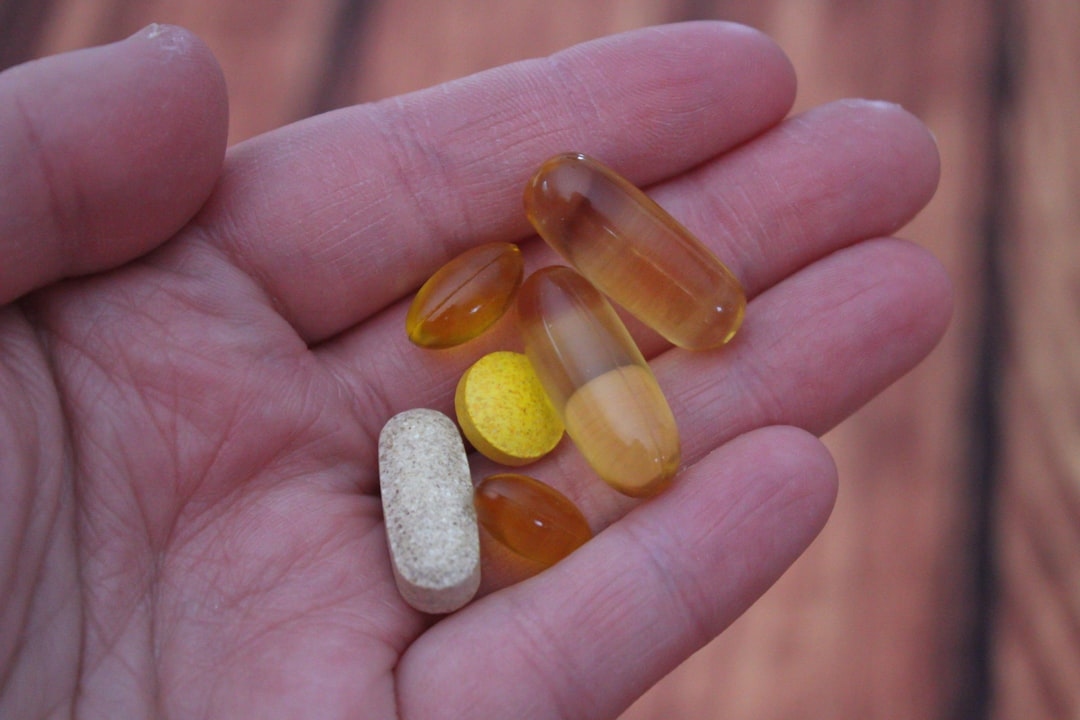
- Basic supplementation: Iron supplements (£5-£12 monthly), vitamin D (£3-£8 monthly), B12 tablets (£4-£10 monthly), biotin (£3-£8 monthly), zinc (£4-£10 monthly). Quality varies; reputable brands like Vitabiotics, Solgar, and Myprotein are widely available.
- Specialist consultation (optional): A trichologist or nutritionist costs £50-£150 per session. One consultation plus testing might cost £150-£250 total, but it provides clarity and saves money on ineffective treatments.
For someone addressing a single deficiency, expect to spend £80-£200 for testing and 3-6 months of supplementation. This is substantially cheaper than hair transplants or prescription treatments like minoxidil (which costs £20-£50 monthly indefinitely).
When to Seek Professional Help
Consult a doctor or trichologist if:
- You’re losing more than 100-150 strands daily (normal shedding is 50-100 strands).
- Hair loss is sudden rather than gradual.
- You see bald patches (suggests alopecia areata, which requires different treatment).
- You’ve tried dietary changes and supplementation for 6 months without improvement.
- Hair loss is accompanied by significant fatigue, weight changes, or other systemic symptoms.
- You’re pregnant or breastfeeding (hormonal factors change nutritional needs; supplement safety differs).
Timeline: Expecting Recovery
Realistic expectations prevent frustration. Hair growth timelines are:
First 2-4 weeks: No visible change. Your body is beginning to restore nutrient levels and hair follicle function. Energy levels might improve; scalp inflammation may decrease.
Months 2-3: Shedding might temporarily increase—this is a good sign. The body is pushing out weak, telogen-phase hairs that were dependent on depleted nutrition. New, stronger hairs are growing beneath the scalp surface.
Months 3-6: New hairs become visible as they reach the scalp surface. Hair density increases incrementally. Most people see obvious improvement by month 4-5.
Months 6+: Full recovery requires the entire growth cycle to progress through anagen. By 6-12 months, hair thickness and strength typically match pre-loss levels.
Frequently Asked Questions
Can I have multiple deficiencies at once?
Yes, and it’s fairly common. Someone with poor diet might be deficient in iron, B12, and vitamin D simultaneously. This is another reason testing is valuable—it reveals the full picture. Addressing all deficiencies together typically produces better results.
How long does it take for supplementation to work?
Hair regrowth is visible within 3-4 months for most people, but full recovery requires 6-12 months. Hair grows about 0.3-0.4mm daily or 6 inches yearly. New hairs must travel this distance from the follicle root to the scalp surface before you notice them.
Is biotin supplementation worth the hype?
Biotin helps if you have marginal deficiency or genetic biotin metabolism issues, but clinical evidence for healthy people is mixed. However, it’s inexpensive and safe, so a 3-month trial costs little. If your hair is weak or brittle alongside other deficiency symptoms, biotin supplementation is reasonable to try.
Can I overdose on vitamins and minerals?
Fat-soluble vitamins (A, D, E, K) accumulate in body tissues and can reach toxic levels with excessive supplementation. Water-soluble vitamins (B vitamins, C) are excreted by the kidneys, but even these can cause problems at extremely high doses. Minerals like iron and zinc are toxic at high levels. Stick to recommended daily amounts unless medically advised otherwise, and inform your GP of all supplements you’re taking.
Does vegetarian or vegan diet automatically cause hair loss?
No. Well-planned vegetarian and vegan diets can be completely adequate for hair health. The risk increases when these diets lack sufficient legumes, nuts, seeds, fortified plant milks, or if supplementation is neglected (particularly B12). A vegan eating lentils, tofu, fortified cereals, nuts, and supplemented B12 will have healthier hair than a meat-eater living on processed food.
What if my hair loss isn’t related to deficiency?
If testing shows normal nutrient levels, other causes deserve investigation: androgenetic alopecia (pattern baldness), alopecia areata (autoimmune), thyroid disorders, hormonal imbalances (PCOS, menopause), chronic stress, or medication side effects. These require different approaches, including dermatologist evaluation or hormonal testing.
Restoring Hair Through Nutritional Balance
Hair loss from vitamin or mineral deficiency is frustrating but uniquely manageable. Unlike pattern baldness, which requires ongoing medication or procedures, nutritional deficiencies offer a pathway to genuine recovery. A blood test costs little and takes moments, yet it’s the difference between months of fruitless treatments and months of directed, effective intervention.
Start by testing. Identify exactly what your body lacks. Then address the deficiency through diet, adding supplementation if needed. Give your body 3-6 months to respond. Most people see meaningful regrowth within this timeframe, and full recovery typically follows within a year.
Your hair loss might simply be your body’s way of saying it needs attention. Listen to that signal. Test, correct, and watch your hair recover—because strong, thick hair isn’t luxurious; it’s a sign of nutritional health.

+ There are no comments
Add yours