





Contents:
- Understanding Hair Structure and Why It Weakens
- How to Strengthen Hair with Deep Conditioning Treatments
- Weekly Deep Conditioning Routine
- Protein Treatments: The Strength Booster
- Minimise Heat Damage to Build Strength
- Reduce Heat Styling Frequency
- Air-Drying Techniques That Strengthen
- Nutrition and Supplements for Internal Strength
- Essential Nutrients for Hair Strength
- Seasonal Timeline: Your 12-Week Hair Strengthening Plan
- Weeks 1-4 (Initial Phase)
- Weeks 5-8 (Consolidation Phase)
- Weeks 9-12 (Transformation Phase)
- The Regular Trim Strategy That Strengthens Hair
- Reader Story: Sarah’s 6-Month Transformation
- Scalp Health: The Foundation for Strong Hair
- Scalp Care Essentials
- Everyday Habits That Strengthen Hair
- Gentle Handling Practices
- Seasonal Adjustments
- Affordable Strengthening Products That Deliver Results
- Frequently Asked Questions
- How long does it take to strengthen hair?
- Can you strengthen hair that’s already damaged or bleached?
- Is protein or moisture more important for strengthening?
- How do I know if I’m over-proteinating my hair?
- Can diet alone strengthen hair without treatments?
- Start Your Hair Strengthening Journey Today
Are you tired of watching your hair break at the slightest touch? You’re not alone. Millions of people struggle with weak, fragile hair that refuses to grow past a certain length. The good news? Hair strength isn’t something you’re born with—it’s something you can build, starting today.
Understanding Hair Structure and Why It Weakens
Your hair is built from three layers: the cuticle (outer protective layer), the cortex (where strength lives), and the medulla (the innermost core). When any of these layers become compromised—through heat, chemicals, harsh handling, or poor nutrition—your hair loses its structural integrity and snaps easily.
Common culprits weakening your hair include:
- Excessive heat styling (blow dryers, straighteners, curling irons above 150°C)
- Chemical treatments (bleaching, colouring, perming without proper care)
- Tight hairstyles that create tension stress
- Brushing wet hair roughly (wet hair is 30% weaker than dry hair)
- Nutritional deficiencies, particularly iron, zinc, and B vitamins
- Chlorine exposure from swimming
- Dry indoor heating and air conditioning
The first step toward stronger hair is identifying which of these factors are affecting yours. Once you pinpoint the problem, you can address it directly.
How to Strengthen Hair with Deep Conditioning Treatments
Deep conditioning is the single most effective way to strengthen weak hair. Unlike regular conditioner which sits on the surface, deep treatments penetrate the hair shaft and restore moisture and protein where it’s needed most.
Weekly Deep Conditioning Routine
Make deep conditioning your weekly non-negotiable. You don’t need expensive salon treatments—budget-friendly options work brilliantly. Apply your chosen treatment to damp hair, focusing on mid-lengths and ends. Leave it on for 15-20 minutes (or longer if you want more intensive hydration), then rinse thoroughly with cool water to seal the cuticle.
Budget pick: Most supermarket own-brand intensive conditioners deliver 80% of the results of premium versions, costing just £2-4 per bottle. Quality drugstore brands like Superdrug’s B. range or Boots Essentials offer excellent value.
Protein Treatments: The Strength Booster
If your hair snaps easily and feels straw-like, protein is your answer. Protein treatments work by filling in gaps in the hair shaft and rebuilding strength. Use a protein treatment every 2-3 weeks if your hair is severely damaged, or every 4-6 weeks for maintenance.
Signs your hair needs protein: breakage, loss of elasticity, dulled appearance, difficulty holding curls, and squeaking when you run wet fingers through it. One clarifying note—over-proteinating can make hair brittle, so balance protein treatments with moisture ones.
DIY option: Mix 1 tablespoon of coconut oil with 1 egg yolk and apply for 20 minutes. This costs roughly 30p and delivers measurable strengthening results.
Minimise Heat Damage to Build Strength
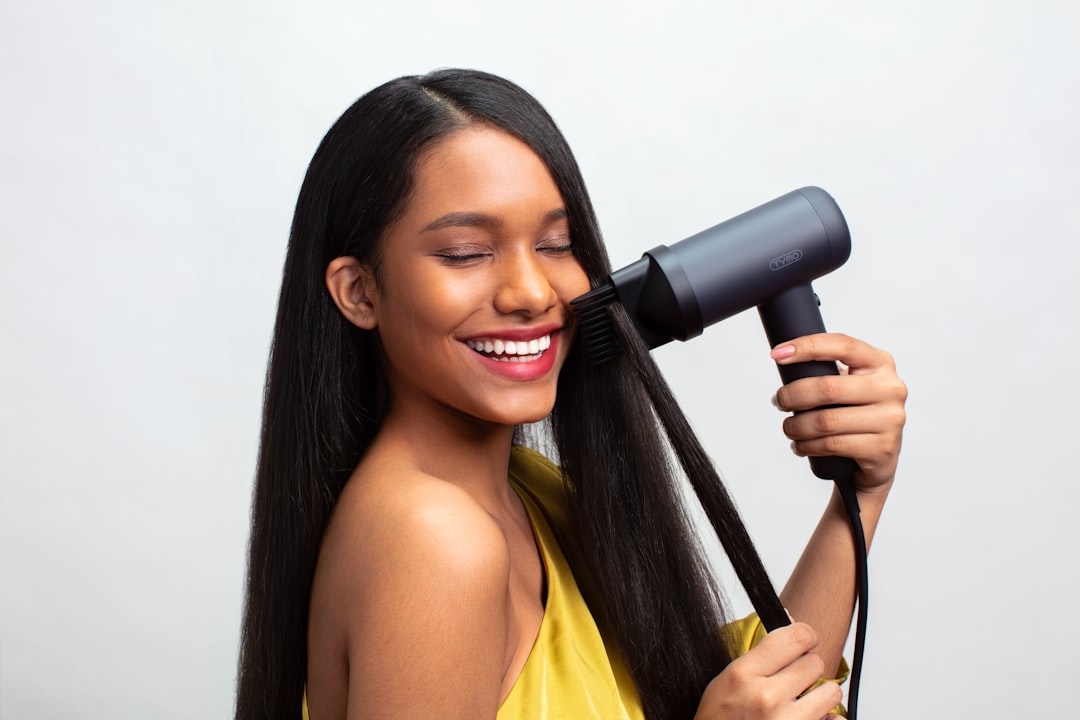
Heat is hair’s biggest enemy when it comes to strength. Every time you blow dry at high heat, you’re evaporating water from inside the hair shaft. This weakens the protein bonds and makes your hair more prone to breakage.
Reduce Heat Styling Frequency
The strongest hair belongs to people who embrace their natural texture or use heat tools sparingly. Challenge yourself to a “low-heat week” once a month. You might discover you like your hair’s natural wave pattern, or find you have more time in your morning routine.
When you must use heat:
- Always apply a heat protectant spray first (creates a barrier between hair and heat)
- Use lower settings: 130-150°C for blow drying, 150-180°C for straightening
- Let hair air dry 60-70% of the way before blow drying (this alone cuts heat time by half)
- Use lower speeds on blow dryers to reduce friction damage
- Avoid blow drying the same section repeatedly
Air-Drying Techniques That Strengthen
Air drying might take longer, but it’s genuinely the most strength-building approach. Wrap damp hair loosely in a microfibre towel or cotton t-shirt for 15-20 minutes to absorb excess water (regular towels create friction), then let it dry naturally. Your hair will be noticeably stronger within weeks.
Nutrition and Supplements for Internal Strength
Strong hair starts from the inside. Your hair grows from the follicle, which receives nutrients through your bloodstream. Without proper nutrition, even the best external treatments won’t deliver lasting results.
Essential Nutrients for Hair Strength
Focus on these nutrients in your diet:
- Protein: Hair is 95% keratin (a protein). Aim for 50-60g daily from sources like chicken, fish, eggs, lentils, and Greek yoghurt. Cost: eggs at roughly 20p each offer excellent value.
- Iron: Low iron causes hair shedding and weak growth. Boost intake with spinach, red meat, or fortified cereals. Women aged 19-50 need 18mg daily.
- Zinc: Supports hair growth and scalp health. Found in oysters, beef, pumpkin seeds, and chickpeas. Aim for 8mg daily.
- Biotin: Studies show 2.5mg daily can improve hair thickness. Sources include almonds, sweet potatoes, and spinach, or take a £3-5 supplement.
- Vitamin C: Boosts collagen production in hair structure. Citrus fruits, berries, and peppers are excellent sources.
- Omega-3 fatty acids: Keep scalp healthy and reduce inflammation. Eat fatty fish 2-3 times weekly, or budget-friendly flax seeds daily.
Budget reality: You don’t need expensive hair supplements. A balanced diet with consistent protein, iron-rich vegetables, and whole grains delivers 90% of the results of pricey supplement bundles.
Seasonal Timeline: Your 12-Week Hair Strengthening Plan
Hair growth cycles take time. Here’s a realistic timeline for visible strengthening results:
Weeks 1-4 (Initial Phase)
Start deep conditioning weekly and cut out heat styling. You’ll notice reduced breakage immediately and hair feeling softer. Breakage will decrease by approximately 40% within this period.
Weeks 5-8 (Consolidation Phase)
Add protein treatments to your routine every 3 weeks. Hair begins retaining length noticeably. Elasticity improves, and you can stretch a strand without it snapping. Many people see 2-3cm of new growth.
Weeks 9-12 (Transformation Phase)
By week 12, consistent hair strengthening produces visible results: thicker, shinier hair that holds styles better and breaks less frequently. You’ll notice fewer split ends during combing, and the overall appearance becomes noticeably healthier.
This timeline assumes consistent effort. Skipping weeks or reverting to old habits slows progress significantly.
The Regular Trim Strategy That Strengthens Hair
Counterintuitive though it sounds, regular trims are essential for strengthening hair. Split ends travel upward along the hair shaft, weakening everything above them. Every time you get a trim, you’re removing damaged ends and allowing healthy growth to flourish.
Trim every 6-8 weeks if your hair is damaged or colour-treated, or every 10-12 weeks if your hair is healthy. Even a small 1cm trim removes the weakest part of your hair and prevents those splits from spreading.
Budget tip: Supermarket hair salons (Asda, Sainsbury’s) offer basic trims for £8-12, versus £25-40 at independent salons. The cut quality is entirely adequate for maintenance trims.
Reader Story: Sarah’s 6-Month Transformation
Sarah, 34, spent years hiding her hair under buns. “It broke constantly. I couldn’t grow it past shoulder length no matter what I did,” she shares. She was using a 2000W blow dryer on full heat daily, colour-treating her hair every 4 weeks, and eating irregular meals while working long office hours.
Her breakthrough came when she made three simple changes: she switched to air drying (saving 45 minutes daily that she redirected to meal prep), added a weekly protein mask to her routine at £3 a week, and committed to regular trims every 8 weeks. Within 6 months, her hair stopped breaking, grew 8cm longer, and regained natural shine. “I wasn’t doing anything complicated,” she notes. “Just removing the things damaging it and being consistent.”
Scalp Health: The Foundation for Strong Hair
A healthy scalp is crucial. If your scalp is irritated, inflamed, or clogged, your hair follicles can’t function properly, resulting in weak growth from the root.
Scalp Care Essentials
Massage your scalp for 5 minutes daily using fingertips (never nails). This increases blood flow to hair follicles by up to 20%, delivering more nutrients to growing hair. A scalp massage costs nothing and takes minimal time.
Choose a gentle shampoo suited to your scalp type. Over-washing strips natural oils; under-washing allows product buildup. Most people benefit from shampooing 2-3 times weekly. If you have an oily scalp, a clarifying shampoo once monthly (£2-4) removes buildup without stripping daily shampoos.
Condition primarily the mid-lengths and ends, not the scalp. Apply conditioner starting 5cm away from your roots to avoid weighing down growing hair.
Everyday Habits That Strengthen Hair
Gentle Handling Practices
How you handle hair daily matters tremendously. Wet hair is 30% weaker than dry hair, so never brush it roughly. Use a wide-tooth comb on wet hair, starting from the ends and working upward gradually. This prevents snapping and distributes natural oils.
Sleep on a silk or satin pillowcase (£8-15 on Amazon) instead of cotton. Cotton creates friction that weakens hair and causes breakage; silk reduces friction by 75%. Your hair will feel stronger and smoother within a week.
Avoid tight hairstyles like tight buns, braids, or ponytails that create constant tension. This tension can lead to traction alopecia (permanent hair loss). Opt for loose styles or change where you position ponytails daily to distribute stress.
Seasonal Adjustments
Your hair’s needs change with seasons. Summer heat and chlorine exposure require more frequent deep conditioning and a post-swim rinse. Winter central heating dries hair severely—increase conditioner frequency and use humidifiers in your home. Spring and autumn are ideal times for colour treatments or intensive repairs since your hair is less stressed.
Affordable Strengthening Products That Deliver Results
You don’t need premium brands to strengthen hair. Budget-conscious choices work brilliantly:
- Coconut oil: £2-3 for 500ml. Use as a pre-shampoo treatment. Strengthens and moisturises simultaneously.
- Argan oil: £4-6 for 100ml. Apply to damp hair before blow drying for heat protection and shine.
- Deep conditioners: Superdrug B. Reconstruct range (£3) performs as well as salon brands costing £15+.
- Protein treatments: Boots Essentials Protein mask (£2.50) works excellently for strengthening without the price tag.
- Leave-in conditioner: Incredibly effective budget option at £3-5. Apply to damp hair before styling.
- Silk pillowcase: £8-12. One purchase benefits your hair for years, making it genuinely cost-effective.
Pro tip: Buy one new product at a time and use it consistently for 4 weeks before evaluating. This prevents wasting money on products that don’t work with your hair, and allows you to identify what actually makes a difference.
Frequently Asked Questions
How long does it take to strengthen hair?
Visible improvements appear within 2-3 weeks of consistent care (reduced breakage, softer texture). Significant strengthening and length retention take 8-12 weeks. Hair grows roughly 15cm per year, so patience is essential, but you’ll notice changes much sooner than that.
Can you strengthen hair that’s already damaged or bleached?
You can improve the appearance and prevent further damage significantly. Regular protein treatments and deep conditioning restore moisture and fill damaged areas temporarily. However, severely bleached or chemically damaged hair has permanent structural damage. The only true “cure” is growing past the damaged section and trimming it off. This typically takes 6-12 months depending on damage severity.
Is protein or moisture more important for strengthening?
Both matter equally. Protein rebuilds structure; moisture prevents brittleness. The ideal balance is roughly 70% moisture to 30% protein for most hair types. If your hair feels straw-like, it needs protein. If it’s dry and frizzy, it needs moisture. Healthy hair receives both regularly.
How do I know if I’m over-proteinating my hair?
Over-proteinated hair feels stiff, looks dull, breaks more easily, and becomes frizzy even when moisturised. If this happens, skip protein treatments for 2-3 weeks and use only moisture-based products. Then reintroduce protein every 6 weeks instead of every 3 weeks.
Can diet alone strengthen hair without treatments?
Diet significantly impacts hair strength from the root, but external damage also requires treatment. A person eating perfectly with excellent nutrition but blow drying daily at high heat will still have weak hair. Combine good nutrition with reduced heat styling and regular conditioning for optimal results. Think of it as working from the inside out and outside in simultaneously.
Start Your Hair Strengthening Journey Today
Strong hair isn’t a genetic lottery—it’s built through consistent, intelligent choices. You don’t need expensive salon treatments or complicated routines. Weekly deep conditioning, minimal heat styling, targeted nutrition, and regular trims cost remarkably little but deliver dramatic results.
Pick one change to implement this week: maybe a weekly deep conditioning treatment or switching to air drying. Once that feels natural, add another change. Within 12 weeks of steady progress, you’ll barely recognise your stronger, healthier hair. The investment in your hair is an investment in yourself—and that’s always worth it.
Your strongest hair is waiting. Start today.
+ There are no comments
Add yours