





Contents:
- Understanding Thin Hair: The Foundation
- Product Selection: Building Volume at the Foundation
- Volumising Shampoos and Lightweight Formulas
- Lightweight Conditioners and Leave-In Products
- Volumising Mousses and Texturizing Sprays
- How to Volumize Thin Hair Through Styling Techniques
- Root Lifting and Blow-Drying Method
- Strategic Parting and Placement
- Blow Dry Styling with Products
- Texture and Waves
- Scalp Health and Volume
- Scalp Massage for Circulation
- Clarifying Treatments
- Regional Variations and Climate Impact on Thin Hair Volume
- Volumising Thin Hair vs. Adding Hair Density Treatments: Key Differences
- Expert Insight
- Nutritional Factors Supporting Hair Volume
- Common Mistakes to Avoid When Volumising Thin Hair
- Product Budget Breakdown for Volumising Thin Hair
- Timeline for Seeing Results
- FAQ
You’ve probably heard that volumizing products and blow drying create thick-looking hair. But if you’ve tried these methods on genuinely thin hair, you know results are often disappointing. The difference lies in understanding the distinction between creating temporary visual thickness and actually improving hair’s structural thickness. Learning how to volumize thin hair requires addressing multiple factors—product selection, styling technique, scalp health, and in some cases, underlying nutritional or health issues.
Understanding Thin Hair: The Foundation
Thin hair isn’t simply about having less hair on your scalp; it’s often about individual hair strands being finer in diameter. Healthy hair typically has a diameter of 70-100 microns. Thin hair often measures 50-70 microns—thinner and more delicate. This structural difference means thin hair requires completely different approaches than standard hair care.
Thin hair also often has lower density—fewer follicles producing hair. A healthy scalp has approximately 100,000-150,000 hair follicles. Thinning hair might have 60,000-80,000 active follicles, or follicles producing noticeably finer strands. This combination—finer individual strands plus lower density—creates significant volume challenges. Thin hair reflects light differently, appearing flatter and less substantial than it actually is.
The good news? You can learn how to volumize thin hair through multiple approaches. Strategic styling, specialised products, and scalp care create dramatically fuller appearance without expensive treatments. Most effective strategies cost £3-15 per application, making them genuinely affordable.
Product Selection: Building Volume at the Foundation
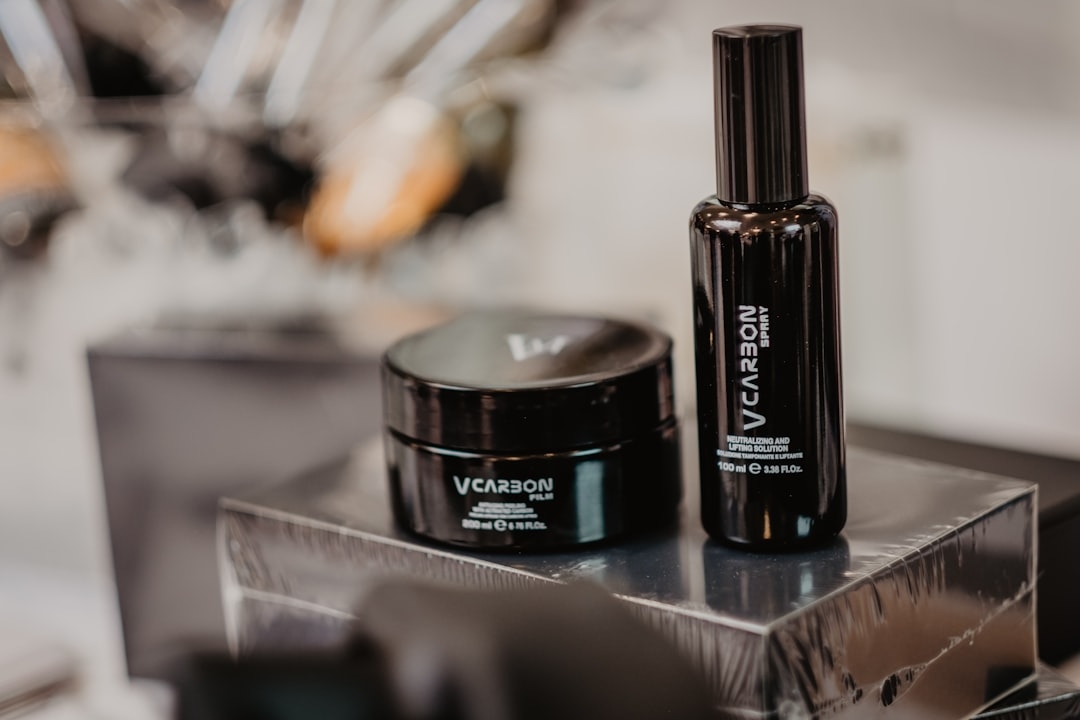
Volumising Shampoos and Lightweight Formulas
Standard shampoos are formulated with silicones and oils that coat hair strands. On fine, thin hair, this coating flattens strands and weighs them down. Volumising shampoos (typically £4-8 in UK supermarkets and Boots) contain lightweight polymers that coat strands minimally while adding texture and grip. These polymers are approximately 1-5 microns thick—thin enough not to weigh down fine hair.
The most effective volumising shampoos for thin hair contain polysaccharides, proteins, or plant-derived polymers rather than silicones. Check ingredients: look for names like “polymethyl methacrylate” or “acrylates” (lightweight polymers), keratin, collagen, or wheat protein. Avoid shampoos listing siloxane or silicone in the first five ingredients. Cost difference is minimal—budget volumising shampoos cost as much as standard formulas but work more effectively for thin hair.
Lightweight Conditioners and Leave-In Products
This is critical: thin hair still requires conditioning, but traditional heavy conditioners destroy volume. Instead, use lightweight, water-based conditioners designed specifically for fine or thin hair. These cost approximately £5-9 and provide moisture without silicone buildup. Apply conditioner only to the mid-lengths and ends, never the scalp and roots—this prevents flattening.
Leave-in conditioners (approximately £4-7) designed for thin hair work beautifully. These lightweight, spray-based products provide moisture and protection without requiring rinsing. Apply sparingly to damp hair before styling. One 200ml bottle lasts 4-6 weeks with regular use.
Volumising Mousses and Texturizing Sprays
Volumising mousse creates immediate texture and lift. Apply to damp hair at the roots, work through to ends, then blow dry. The mousse expands during drying, creating genuine volume increase. Quality mousses cost £5-10 and last 8-12 weeks with regular use. Texturizing sprays (approximately £4-8) add grip and texture to styled hair, making it appear thicker without additional weight. These are particularly effective on second-day hair.
How to Volumize Thin Hair Through Styling Techniques
Root Lifting and Blow-Drying Method
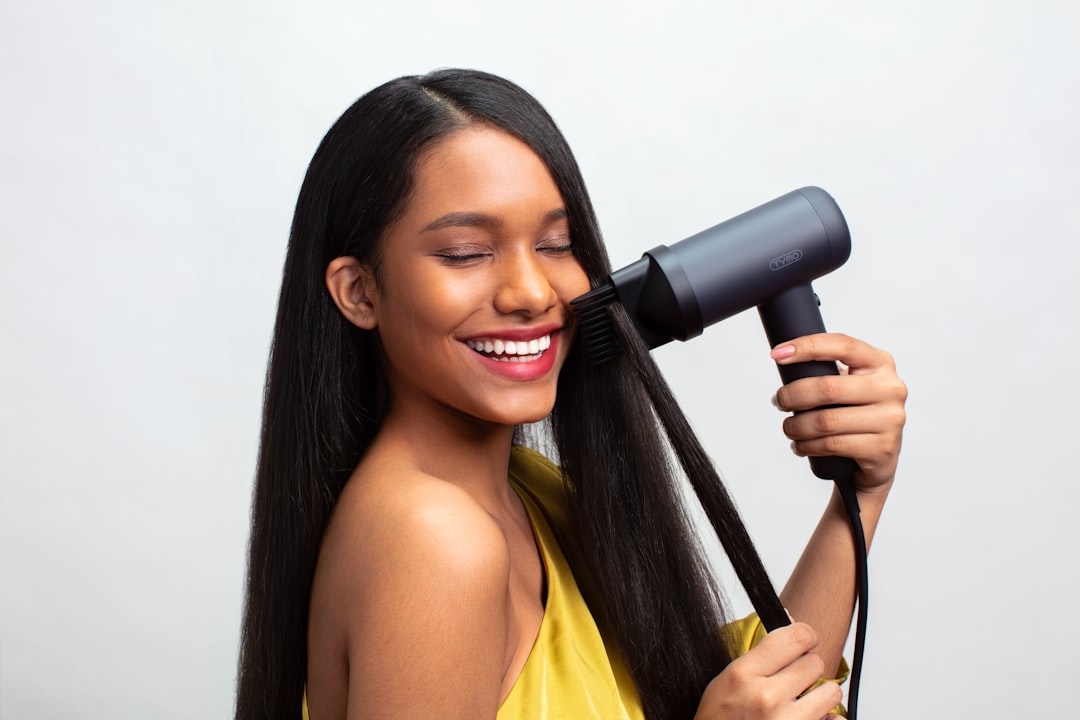
Blow drying, when done correctly, creates substantial volume in thin hair. The technique matters critically. Section your hair into four quadrants using clips. Start with the lowest section at the back. Rough dry (no brush) with fingers to remove excess moisture—approximately 3-5 minutes. Then, using a round brush, lift sections away from the scalp whilst directing heat from the root toward the ends. Keep the dryer moving constantly, never letting heat concentrate on one spot. This creates maximum root lift and volume.
For even more volume, blow dry against your natural hair growth direction—if your hair grows downward, blow dry upward. This creates opposing tension that amplifies lift. Then, blow dry in your natural direction to finish, sealing the style. Total blow-dry time: 10-15 minutes. This technique adds approximately 20-25% apparent volume compared to air drying.
Strategic Parting and Placement
Parting position dramatically affects perceived volume. A centre part visually divides volume in half. A side part (slightly off-centre) concentrates volume to one side, creating more substantial appearance. Consider a deep side part—parting hair 3-4 centimetres off-centre creates dramatic volume increase. The larger section appears thicker when concentrated rather than divided equally.
Avoid always parting in the same location. Repeated parting in identical spots creates flat patches where hair grows reluctant to stand upright. Alternate parting direction every few days. This trains hair to have lift in multiple directions.
Blow Dry Styling with Products
Combine blow drying with volumising mousse for maximum effect. Apply mousse to damp roots (approximately 10ml or a golf-ball sized amount), work through with fingers, then blow dry using the root-lifting technique above. The mousse expands during drying, creating structure and lift that lasts until the next wash. This combination adds approximately 30-35% apparent volume.
Texture and Waves
Straight thin hair appears flatter than textured hair because light reflects uniformly. Adding waves or texture creates visual thickness. Use a large barrel curling iron (32-38mm diameter) on low heat. Curl vertical sections of hair away from your face, creating loose waves. These waves break up light reflection, making hair appear thicker. Alternatively, braid hair whilst damp, then unbraze after it dries for natural texture.
Scalp Health and Volume
Scalp Massage for Circulation
Scalp massage increases blood flow to follicles, potentially supporting healthier, stronger hair growth. Use your fingertips (never nails) to massage your scalp in circular motions, spending 2-3 minutes on each area (crown, sides, back). Do this 3-5 times weekly. Massage doesn’t create immediate volume but supports long-term hair health. Over 8-12 weeks, improved circulation can contribute to slightly fuller appearance as new hair grows stronger.
Clarifying Treatments
Product buildup from regular shampoos and conditioners flattens thin hair dramatically. Monthly clarifying treatments (approximately £3-6 for at-home clay masks) remove buildup, restoring volume. Use clarifying shampoo or clay mask once monthly. Follow with lightweight conditioner to prevent over-drying. This single monthly treatment often adds noticeable volume by removing weight from product accumulation.
Regional Variations and Climate Impact on Thin Hair Volume
Geographic location significantly affects thin hair volume management. The Southeast and London experience hard water, which deposits minerals on thin hair strands, flattening them and preventing product absorption. Installing a shower filter (£15-40 initial cost) removes these minerals, often dramatically improving volume. Northern regions like Scotland and Northern England have softer water, meaning thin hair maintains volume more easily without additional intervention.
Humidity also impacts volume significantly. High-humidity regions (coastal areas like Cornwall and Devon, or parts of Southeast England) cause moisture to enter hair shafts, making them swell and frizz. Low-humidity regions (inland areas) allow hair to maintain defined shape better. In humid climates, use anti-humidity serums (£4-8) designed for thin hair—these coat strands minimally whilst reducing moisture absorption. In dry climates, focus on moisture maintenance to prevent brittleness.
Volumising Thin Hair vs. Adding Hair Density Treatments: Key Differences
It’s critical to distinguish between temporarily volumising thin hair and actually adding density through medical treatments. Temporary volumising uses products, styling, and techniques to create fuller appearance—results fade when you change your routine. Density-adding treatments (like low-level laser therapy, estimated £1000-3000 for a course of treatments) potentially stimulate follicles to produce stronger hair over months. These are completely different approaches.
Volumising techniques work immediately and cost pennies. Density treatments take months and cost substantially. For most people, mastering volumising techniques provides satisfactory results. If you have genuine hair loss (thinning beyond normal, visible scalp patches, or progressive thinning), consult your GP to rule out underlying health issues before pursuing expensive density treatments.
Expert Insight
According to James Mitchell, Head Trichologist at the British Institute of Trichology, “The most common mistake people make is assuming they need expensive treatments to volumise thin hair. In my experience, 80% of clients with thin hair can achieve substantially fuller appearance through proper product selection and blow-drying technique alone. The other 20% have underlying nutritional or health factors requiring medical attention. Before spending on any treatment, master the basics: lightweight volumising products, scalp massage, and strategic blow drying. These cost almost nothing and work better than most expensive alternatives.”
Nutritional Factors Supporting Hair Volume
Thin hair sometimes reflects nutritional deficiencies. Hair requires specific nutrients for strength and thickness: iron, zinc, protein, B vitamins, and vitamin D. Deficiency in any of these contributes to thin, weak hair. Blood tests (available through your GP, costing nothing on NHS) identify specific deficiencies. Addressing deficiencies through diet or supplementation improves hair thickness over 4-6 months as new hair grows stronger.
Iron deficiency is particularly common, especially in women aged 18-50. Zinc deficiency causes thinning. B vitamin deficiency (particularly B12) affects hair quality. If you suspect nutritional deficiency, consult your GP before supplementing—excessive supplementation of some nutrients causes problems.
Common Mistakes to Avoid When Volumising Thin Hair
- Using heavy conditioning products: Standard conditioners designed for thick or curly hair weigh thin hair down dramatically. Stick to lightweight, thin-hair-specific formulas. When in doubt, use less product.
- Blow drying from ends toward roots: This direction presses hair flat. Always direct heat from roots toward ends to lift and volumise.
- Applying volumising mousse to damp instead of wet hair: Mousse works best on very wet hair where it can expand fully during drying. On damp hair, it doesn’t expand as effectively.
- Assuming extensions add volume: Extensions don’t volumise thin hair; they often damage existing thin hair under the weight. Avoid extensions unless your hair is particularly strong.
- Skipping scalp health: Buildup, poor circulation, and unhealthy scalps limit volume regardless of styling technique. Invest in scalp care.
- Using hot water for shampooing: Hot water opens the cuticle layer, making fine hair appear thinner. Use lukewarm or cool water.
- Waiting too long between washes: Thin hair accumulates oil quickly, flattening completely. Wash 3-4 times weekly. It’s okay; thin hair can handle frequent washing better than thick hair.
Product Budget Breakdown for Volumising Thin Hair
Basic monthly budget (£20-35):
- Volumising shampoo: £5-8 (lasts 4-6 weeks)
- Lightweight conditioner: £5-8 (lasts 4-6 weeks)
- Volumising mousse: £6-10 (lasts 8-12 weeks)
- Texturizing spray: £4-8 (lasts 8-12 weeks)
- Total: approximately £20-34 monthly
Enhanced monthly budget with treatments (£40-60):
- All basic products: £20-35
- Monthly clarifying treatment: £3-6
- Leave-in volumising conditioner: £5-8
- Root lifting spray or dry shampoo: £4-8
- Total: approximately £40-57 monthly
Timeline for Seeing Results
Product and technique changes show results immediately. New hairstyling techniques and volumising products create fuller appearance within your first 1-2 applications. However, sustained improvement comes gradually. After 2-4 weeks of consistent technique and product use, styling becomes easier and results improve. After 6-8 weeks, new hair growing with improved scalp health and nutrition appears noticeably stronger and fuller. Maximum improvement from nutritional changes takes 4-6 months as hair fully cycles through growth phases.
FAQ
Q: Can you permanently volumize thin hair?
A: No single method permanently volumises thin hair. However, addressing nutritional deficiencies, improving scalp health, and using volumising products and styling techniques creates long-term fuller appearance that requires ongoing maintenance. You must continue the routine to maintain results.
Q: Does cutting hair make it look thicker?
A: Yes, absolutely. Shorter thin hair appears thicker than longer thin hair because hair weight pulls strands down less. A shoulder-length or shorter cut makes thin hair appear approximately 30% fuller than waist-length thin hair. Blunt, layered cuts add texture and appear thicker than long, straight cuts.
Q: What colour makes thin hair look thicker?
A: Dimension (multiple shades) creates the illusion of thickness better than solid colour. Highlights or lowlights break up light reflection, making hair appear denser. Darker colours appear thicker than very light colours. A medium brown looks substantially thicker than platinum blonde.
Q: Can volumising shampoo and conditioner really add volume?
A: They create texture and grip that makes existing hair appear fuller, rather than actually adding strands. But this visual difference is significant—a volumising product routine makes thin hair appear noticeably thicker immediately.
Q: Is thin hair genetic, or can I change it?
A: Hair thickness is partially genetic. However, nutritional status, scalp health, and styling significantly influence how full your existing hair appears. You can’t change genetic hair diameter dramatically, but you can maximise the thickness you have through proper care.

+ There are no comments
Add yours