







Contents:
- Understanding Remy Hair: The Basics
- Remy Hair vs. Non-Remy Hair: Key Differences
- How Remy Hair is Sourced and Processed
- Why Hair Extension Durability Depends on Cuticle Direction
- Cost Breakdown: Is Remy Hair Worth the Investment?
- Common Mistakes to Avoid When Buying Extensions
- Caring for Remy Hair Extensions to Maximize Lifespan
- Frequently Asked Questions About Remy Hair
- Is Remy hair really human hair?
- Can you dye or bleach Remy hair extensions?
- How long does Remy hair actually last?
- What’s the difference between Remy and raw hair?
- Is Remy hair better for curly or straight hair?
- Making Your Decision: What is Remy Hair Worth to You?
Around 65% of hair extension wearers regret their first purchase because they don’t understand the difference between Remy and non-Remy hair. The directional cuticle alignment in Remy hair is what separates a six-month investment from a six-week regret.
Understanding Remy Hair: The Basics
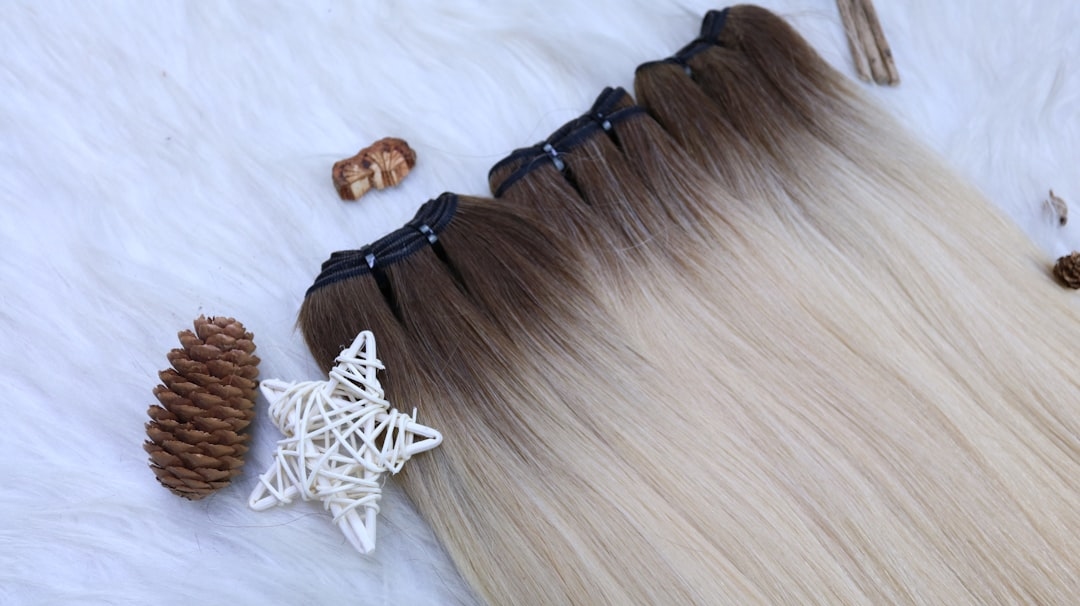
Remy hair is human hair collected from a single donor, where the hair cuticles run in the same direction from root to tip—exactly as they grow on the human head. This uniform directional pattern is the defining characteristic of what is remy hair, and it determines how well your extensions will blend, last, and feel.
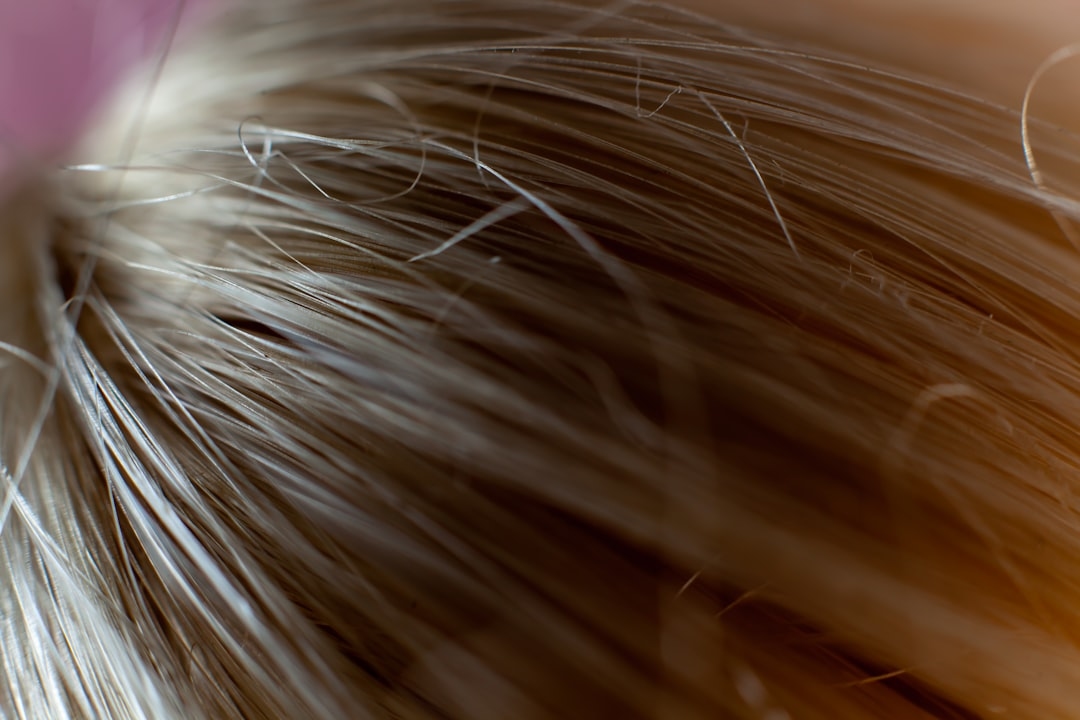
The cuticles of human hair are transparent, overlapping layers that lie flat like roof shingles when properly aligned. When these layers point consistently downward, light reflects smoothly, creating a natural shine and silky texture. This is why Remy hair feels luxurious: the cuticles don’t catch or snag against each other.
During collection, hair donors typically have long, healthy hair. This hair is carefully cut from the root, keeping all strands pointing the same direction. The hair is then sorted, cleaned, and processed while maintaining this crucial directionality. This meticulous handling is why Remy hair costs more initially than alternatives.
Remy Hair vs. Non-Remy Hair: Key Differences
Non-Remy hair, sometimes called “virgin hair” (a misleading term), comes from multiple sources and hair collection methods that don’t preserve cuticle direction. Manufacturers may reverse the direction of some strands or remove the cuticles entirely through chemical processing.
Common confusion: Many people assume “virgin hair” means the same as Remy hair. It doesn’t. Virgin hair simply means it hasn’t been chemically coloured or bleached. It can still be non-Remy, with misaligned cuticles and a shorter lifespan.
Here’s the practical difference you’ll experience:
- Remy hair: Typically lasts 12-24 months with proper care, maintains softness and shine, resists tangling, and blends seamlessly with natural hair.
- Non-Remy hair: May last 3-8 months, tangles more easily, loses shine faster, and feels coarser or drier within weeks.
The cuticle direction directly impacts how the hair behaves when washed, blow-dried, and styled. Misaligned cuticles create friction, which causes frizz, breakage, and matting over time.
How Remy Hair is Sourced and Processed
Ethical Remy hair sourcing is concentrated in India, Eastern Europe, and Russia, where donor programmes operate under regulated conditions. Hair is typically collected from volunteers who grow their hair specifically for sale, receiving compensation ranging from £200 to £800 per donation, depending on length and quality.
The processing steps matter enormously for quality. After collection, hair is sorted by length and shade. It’s then washed gently, dried while maintaining directional alignment, and tested for strength and elasticity. The best suppliers avoid aggressive bleaching or chemical treatments during this stage.
Quality control includes checking cuticle integrity under magnification and testing for hair thickness uniformity. Reputable Remy hair suppliers maintain this standard throughout their inventory.
Why Hair Extension Durability Depends on Cuticle Direction
When hair cuticles are misaligned, they overlap incorrectly, creating snag points. Imagine trying to tile a roof where half the tiles point upward and half downward—water doesn’t flow smoothly, and the structure deteriorates quickly. The same principle applies to hair cuticles.
Remy hair’s aligned cuticles allow moisture, product, and heat to be distributed evenly along each strand. This is why Remy extensions can handle blow-drying, curling, and frequent washing without immediate damage.
Non-Remy hair with disrupted cuticles absorbs moisture unevenly, leading to swelling and contraction in different directions along the same strand. This internal stress causes breakage from within.
Cost Breakdown: Is Remy Hair Worth the Investment?
For tape-in extensions in the UK market (2026 pricing), here’s what you’ll typically spend:
- Quality Remy hair extensions: £400–£800 for a full head, lasting 12–18 months = roughly £23–£67 per month.
- Non-Remy extensions: £100–£250 for a full head, lasting 3–6 months = roughly £17–£83 per month.
- Professional installation and maintenance: £150–£300 per appointment (every 6–8 weeks for Remy, every 2–4 weeks for non-Remy).
When you factor in maintenance costs and replacement cycles, Remy hair often delivers better value despite the higher upfront cost. You’re replacing extensions less frequently and spending less on corrective treatments.
Budget-conscious buyers should compare total cost over 12 months, not just the initial purchase price.
Common Mistakes to Avoid When Buying Extensions
Mistake #1: Assuming all “human hair” extensions are Remy. Many sellers market non-Remy hair as premium simply because it’s human hair. Always ask directly: “Is this hair Remy? Can you confirm cuticle direction?”

Mistake #2: Buying extensions based on price alone. The cheapest option often requires replacement within months, negating any savings.
Mistake #3: Neglecting to ask about sourcing. Ethical Remy hair is traceable. Reputable suppliers can tell you whether hair was ethically sourced and how it was processed.
Mistake #4: Using harsh products on extensions. Even Remy hair degrades faster without sulphate-free shampoo, heat protectant, and regular conditioning.
Caring for Remy Hair Extensions to Maximize Lifespan
Remy hair’s durability is partly dependent on proper maintenance. Here’s what extends its life:
- Wash extensions every 7–14 days in lukewarm water using sulphate-free, protein-enriched shampoo.
- Always condition from mid-length to ends; avoid the root bonds.
- Use a heat protectant spray before blow-drying or styling.
- Brush gently with a loop brush, starting from the ends and working upward.
- Sleep in a silk or satin pillowcase or loose braid to prevent tangling.
- Schedule maintenance appointments every 6–8 weeks to reposition bonds and assess cuticle condition.
These practices preserve the cuticle alignment that makes Remy hair valuable in the first place.
Frequently Asked Questions About Remy Hair
Is Remy hair really human hair?
Yes. Remy hair is 100% human hair. What makes it “Remy” is the cuticle alignment, not the source. Both Remy and non-Remy extensions are human hair, but only Remy maintains the natural directional cuticle structure.
Can you dye or bleach Remy hair extensions?
You can, but it’s not recommended for brand-new extensions. If you need a colour match, it’s better to request pre-coloured hair from your supplier. If you must dye extensions, use a professional colourist experienced with hair extensions, and use only high-quality, gentle dye formulas. Even then, expect some cuticle damage and shortened lifespan.
How long does Remy hair actually last?
With proper care, high-quality Remy hair extensions last 12–24 months. Some users report longer if they’re diligent with maintenance and use minimal heat. Lifespan depends on hair thickness, styling frequency, and how well you follow care routines.
What’s the difference between Remy and raw hair?
Raw hair is completely unprocessed—no bleaching, no chemical treatment. Raw Remy hair is the highest grade available, commanding premium prices (£600–£1,200+ per application). Standard Remy hair has undergone minimal processing but may have been lightly treated to ensure consistency. Both are Remy; raw is simply the least processed option.
Is Remy hair better for curly or straight hair?
Remy hair works for both, but curly Remy hair requires extra care because curls are more prone to tangling. The cuticle alignment in Remy hair still provides significant benefits—less frizz, better moisture retention, and better shape retention over time—compared to non-Remy curls.
Making Your Decision: What is Remy Hair Worth to You?
Understanding what is remy hair fundamentally changes how you evaluate extensions. It’s not just a marketing term; it’s a structural difference that determines how long your investment lasts and how natural it looks.
If you’re a DIY enthusiast planning to care for your own extensions and keep them for over six months, Remy hair is the practical choice. The upfront cost is higher, but the durability, appearance, and reduced maintenance make it better value than non-Remy alternatives.
Start by requesting a consultation with a supplier who can show you hair samples, explain their sourcing, and match you to the right weight and texture for your hair type. Ask questions about cuticle alignment, processing methods, and care requirements. This research phase determines whether you’ll love your extensions or regret them.


+ There are no comments
Add yours