

Contents:
- Understanding Your Undertone: The Foundation of Perfect Hair Colour
- Warm Undertones: Your Colour Palette
- Cool Undertones: Your Colour Palette
- Neutral Undertones: Your Colour Palette
- How Eye Colour Influences Your Best Hair Shade
- Blue Eyes
- Green Eyes
- Brown Eyes
- Hazel Eyes
- Skin Depth and Tone: The Missing Piece
- The Sustainability Angle: Choosing Colour Responsibly
- Practical Steps to Finding Your Perfect Shade
- Step 1: Identify Your Undertone (Reconfirm with a Professional)
- Step 2: Gather Inspiration (Realistically)
- Step 3: Test with Temporary Options First
- Step 4: Start with Highlights or Babylights (Lower Risk)
- Step 5: Book a Professional Consultation
- Common Mistakes to Avoid
- FAQ: Your Hair Colour Questions Answered
- What if I have both warm and cool tones?
- Can I wear a colour that doesn’t match my undertone?
- How do I know if a hair colour suits me before commitment?
- What’s the most forgiving hair colour for first-timers?
- How long does hair colour last?
- Making Your Final Decision
Here’s something that might surprise you: 87% of people who dye their hair report feeling more confident afterwards—yet roughly half choose colours that don’t actually suit their natural colouring. The difference between a transformative shade and one that leaves you feeling flat often comes down to understanding just three key factors about yourself. The right colour can brighten your complexion, make your eyes pop, and genuinely change how you feel when you look in the mirror.
Quick Answer
Your ideal hair colour depends on three things: your undertone (warm, cool, or neutral), your natural hair depth, and your eye colour. If you have warm undertones, lean towards golden blondes, warm browns, and rich coppers. Cool undertones suit ash tones, platinum, and cooler brunettes. Check your undertone by looking at your wrist veins in natural light—blue or purple veins suggest cool undertones, while green or golden veins indicate warm undertones.
Understanding Your Undertone: The Foundation of Perfect Hair Colour
Before you book an appointment or buy a box of dye, you need to know your undertone. This isn’t about whether you have fair, medium, or dark skin—it’s about the subtle colour beneath your skin’s surface, and it’s the single most important factor in what colour hair suits me discussions.
Your undertone falls into one of three categories: warm, cool, or neutral. Warm undertones contain hints of yellow, peachy, or golden hues. Cool undertones lean towards blue, pink, or red. Neutral undertones are a balanced mix.
To identify your undertone accurately, try this: Look at the veins on the inside of your wrist in natural daylight. If they appear greenish or olive-toned, you have warm undertones. If they look blue or purple, you have cool undertones. If you genuinely can’t tell or they appear to be a mix of both, you likely have a neutral undertone. Another reliable method is to hold a piece of gold and silver jewellery against your skin—whichever looks more flattering and harmonious is usually your undertone match.
Warm Undertones: Your Colour Palette
If you have warm undertones, you’re naturally suited to hair colours with golden, peachy, or red-based pigments. These shades work because they echo the warmth already present in your skin, creating a cohesive, flattering look.
- Warm Blondes: Golden blonde, honey blonde, caramel blonde, and butterscotch blonde all complement warm undertones beautifully. These shades create luminosity without looking washed out.
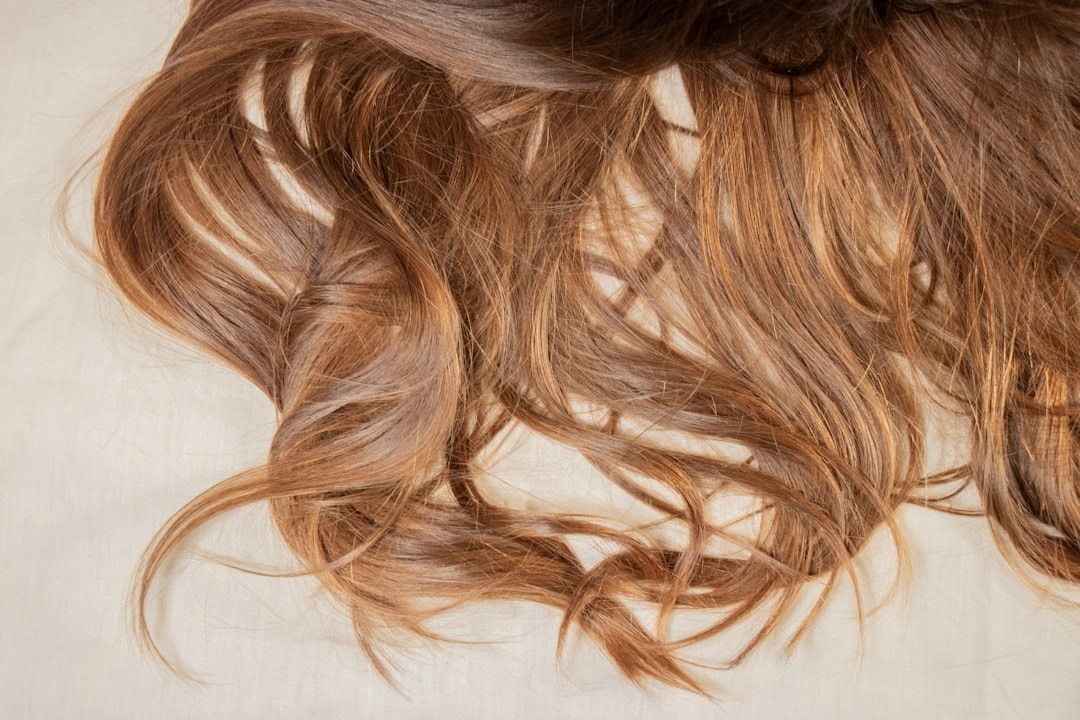
- Warm Brunettes: Light warm brown, chocolate brown, chestnut, and auburn tones enhance warm complexions. The deeper the base, the more dramatic the contrast with warm skin.
- Warm Reds: Copper, rose gold, warm mahogany, and terracotta reds are particularly flattering. Warm undertones naturally suit red-based shades better than cool undertones.
- Budget consideration: Warm-toned hair colours typically cost £60–£150 for a professional salon visit in the UK, depending on your current colour and the lightening required.
Cool Undertones: Your Colour Palette
Cool undertones pair beautifully with ash, platinum, and cooler brunette shades. These colours complement the blue and pink undertones in your skin, making both your hair and complexion appear more vibrant.
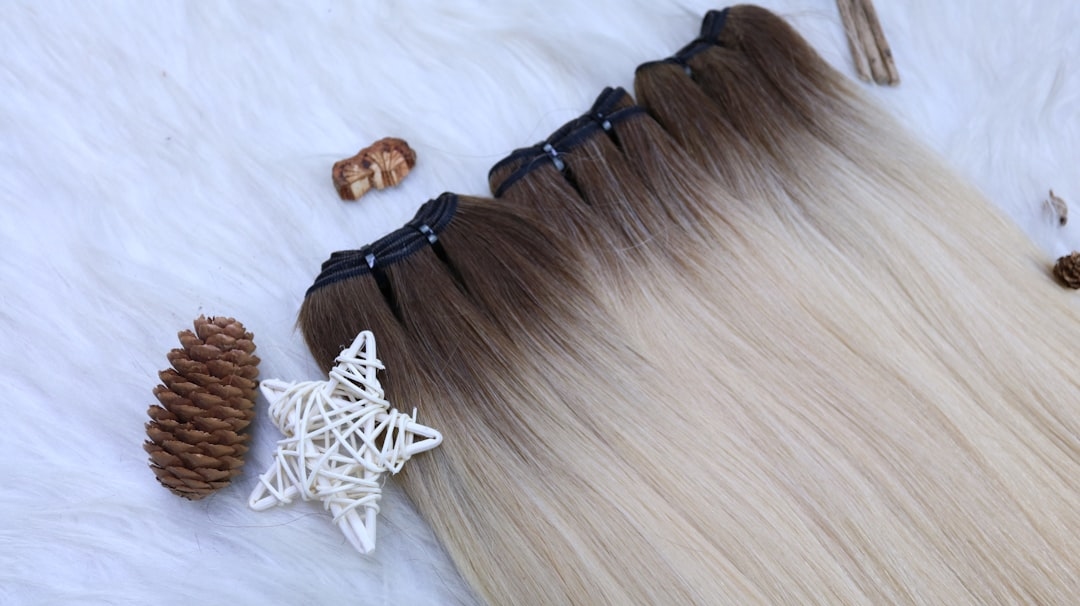
- Cool Blondes: Platinum blonde, ash blonde, icy blonde, and vanilla blonde suit cool undertones. Avoid golden blondes, which may clash and make cool skin appear sallow.
- Cool Brunettes: Ash brown, cool chocolate, cooler black, and smoky brunette tones enhance cool complexions. These shades are particularly striking on fair skin with cool undertones.
- Cool Reds: Burgundy, wine, deep plum, and cool-toned mahogany work well. Cooler reds avoid the peachy brightness that warm reds possess.
- Budget consideration: Cool-toned colours, particularly platinum, often require professional colour correction and toning, typically costing £100–£180 for an initial appointment.
Neutral Undertones: Your Colour Palette
The advantage of neutral undertones is flexibility. You can wear most colours successfully because you don’t have a strong warm or cool skew. However, your best options usually involve shades that are balanced themselves—neither heavily warm nor heavily cool.
- Balanced Options: Warm-leaning to neutral blondes, natural brunettes (not ash or golden, but true medium brown), and balanced reds all work.
- Flexibility: Neutral undertones can experiment with both warm and cool tones, though the most flattering choices usually sit in the middle.
- Budget consideration: Neutral undertones have the most affordable options, typically ranging from £50–£120 for professional colour services.
How Eye Colour Influences Your Best Hair Shade
Eye colour works alongside undertone to make what colour hair suits me even more personal. The right shade can make your eyes appear larger, brighter, and more striking.
Blue Eyes
Blue eyes are naturally enhanced by warm tones and deep shades. Warm bronzes, deep coppers, warm browns, and rich burgundies create stunning contrast with blue eyes. The warmth in these colours makes blue eyes appear more brilliant. If you have cool undertones and blue eyes, ash brown or cooler shades can still work—they simply create a more harmonious, subtle effect rather than high contrast.
Green Eyes
Green eyes are perhaps the most versatile, but they truly shine with warm-toned reds and copper shades. The red and copper pigments create a colour-wheel contrast that makes green eyes almost glow. Warm browns and warm blondes also work beautifully.
Brown Eyes
Brown eyes are enhanced by virtually any colour, making them the most forgiving to work with. However, they appear most striking with richer, deeper shades—think dark chocolate, deep burgundy, or rich black. Lighter colours don’t create as much contrast, but they can still look excellent, especially paired with your undertone.
Hazel Eyes
Hazel eyes contain both warm and cool tones. Warm shades like copper and warm brown enhance the warm flecks, while ash tones enhance the cooler aspects. Warm reds bridge both beautifully.
Skin Depth and Tone: The Missing Piece
Your natural hair colour depth isn’t what we’re discussing here—it’s your skin depth and tone, which affects contrast and saturation. Light skin tones can wear high-contrast shades like platinum or jet black. Medium skin tones have excellent flexibility with medium to deep shades. Deep skin tones are beautifully complemented by richer, more saturated colours like deep burgundy, warm bronze, and warm golden tones.
The key principle: deeper skin tones often look most striking with saturated, rich colours rather than pale or ashy shades. A pale, washed-out blonde might not show well on deep skin, but a rich honey blonde or warm bronze would be stunning.
The Sustainability Angle: Choosing Colour Responsibly
If you’re concerned about environmental impact, consider semi-permanent or temporary colours first. They typically contain fewer harsh chemicals and fade away, meaning you can experiment without long-term commitment. Brands like Manic Panic and Directions offer 80+ shades using plant-based and synthetic ingredients with less ammonia than permanent dyes. These cost £5–£12 per tin and last 4–6 weeks.
For permanent colour with lower environmental footprint, seek out salons using certified eco-friendly brands. The UK-based brand Naturtint, for example, uses plant-based ingredients and is cruelty-free. Expect to pay £60–£100 for application, similar to conventional dyes, but with better environmental credentials.
Another sustainable option: use colour-depositing shampoos and conditioners between appointments to maintain your shade and reduce how frequently you need full colour services. These typically cost £8–£15 and extend the life of your colour by 2–4 weeks.
Practical Steps to Finding Your Perfect Shade
Step 1: Identify Your Undertone (Reconfirm with a Professional)
Do the wrist vein test yourself, but also mention your undertone to a colourist. They’ll assess your skin, eye colour, and natural hair tone together for a comprehensive picture. Many salons offer free consultations, and good colourists can identify your undertone instantly through professional eye.

Step 2: Gather Inspiration (Realistically)
Pinterest and Instagram are brilliant for ideas, but be selective. Save images of people who have similar undertones and skin depth to you. A platinum blonde look on someone with cool undertones and fair skin might not translate the same way if you have warm undertones. Ask yourself: “Does this person’s colouring match mine?”
Step 3: Test with Temporary Options First
Semi-permanent colours (£5–£12) let you trial a shade for 4–6 weeks without commitment. This is invaluable—you’ll see how the colour looks with your own complexion under your own lighting, how it fades, and whether you actually enjoy maintaining it.
Step 4: Start with Highlights or Babylights (Lower Risk)
If you’re nervous about a full colour change, balayage, babylights, or subtle highlights are safer first steps. They cost £80–£180 but offer flexibility. If you don’t love the shade, it blends with your natural colour and can be corrected more easily than an all-over colour.
Step 5: Book a Professional Consultation
A skilled colourist will look at your undertone, eye colour, skin depth, and natural hair condition before recommending a shade. They can also discuss maintenance—some shades require touching up every 4 weeks, while others can stretch to 8 weeks. Consultations are often free and take 15–30 minutes.
Common Mistakes to Avoid
Ignoring your undertone: This is the most common mistake. A beautiful shade that’s the wrong undertone for you can make you look tired or sallow, no matter how stylish it is on someone else.
Choosing based purely on celebrity crushes: That actress might have the opposite undertone to you. Focus on people with similar natural colouring as your inspiration.
Underestimating maintenance: Platinum blonde requires toning every 2–4 weeks (£25–£40 per visit). Vibrant reds fade quickly and need colour-depositing products or frequent touch-ups. Be realistic about commitment before committing financially and time-wise.
Jumping multiple levels lighter at once: Going from dark brown to blonde in one session damages hair and often requires multiple appointments anyway. Professional colourists typically lift 1–2 levels per session for hair health. This costs more initially but protects your hair quality long-term.
Ignoring your hair’s health: Colour takes better to healthy hair. If your hair is dry or damaged, a deep conditioning treatment (£15–£40) before colouring improves results and helps the colour last longer.
FAQ: Your Hair Colour Questions Answered
What if I have both warm and cool tones?
You likely have a neutral undertone. Focus on shades that are balanced—neither heavily golden nor heavily ashy. Natural brunettes and warm-leaning neutrals work best. You have more flexibility than warm or cool-only undertones, so you can test both directions carefully.
Can I wear a colour that doesn’t match my undertone?
Yes, but it might not be your most flattering option. If you love a shade that clashes with your undertone, wear it anyway—confidence matters more than perfect colour theory. However, understanding undertone means you’ll know why a shade might not feel quite right, and you can adjust tone or saturation accordingly.
How do I know if a hair colour suits me before commitment?
Use temporary options: semi-permanent dyes (4–6 weeks, £5–£12), clip-in coloured extensions (one-time wear, £15–£30), or colour wigs (reusable, £20–£60). These let you live with the shade before permanent commitment. Many salons also offer augmented reality apps where you can virtually try shades on your photo.
What’s the most forgiving hair colour for first-timers?
Warm brown or warm blonde one shade lighter or darker than your natural colour. These are close enough to suit most people, don’t require frequent touch-ups, and if you decide you dislike them, they fade gradually or blend well with regrowth. Cost is typically £60–£100.
How long does hair colour last?
Semi-permanent colours fade after 4–6 washes and last 4–6 weeks. Permanent colour lasts until it grows out (typically 4–8 weeks before roots become noticeable). Demi-permanent colour sits in the middle, lasting 12–24 shampoos. Maintenance between appointments using colour-safe shampoo, cold water rinses, and colour-depositing conditioner extends life by 2–4 weeks.
Making Your Final Decision
Finding what colour hair suits me is genuinely personal—it combines science (undertone), artistry (how it complements your features), and practicality (maintenance you’re willing to do). The most important factors are undertone alignment and professional application. A slightly unconventional shade that complements your undertone beautifully will always outperform a trendy shade that clashes.
Start by identifying your undertone accurately using the wrist vein test. Gather inspiration from people with similar undertones. Test with temporary options. Then book a consultation with a skilled colourist who can assess your complete colouring picture. Once you find your shade, invest in colour-safe products and maintenance routines to keep it looking vibrant. The right colour won’t just change how you look—it changes how you feel.
Your perfect shade is waiting. The key is understanding your own colouring first, then finding the colour that brings it to life.
+ There are no comments
Add yours