


Contents:
- Understanding Hair Damage From Straightening
- The Foundation: Preparation Before Straightening
- Deep Conditioning Treatment (Essential)
- Using Heat Protectant Spray
- Pre-Straightening Moisture Application
- Technique: The Right Way to Straighten Hair Without Damage
- Temperature Selection by Hair Type
- Straightening Technique Step-By-Step
- Professional Straightening Techniques
- Straightener Tool Selection
- Ceramic vs. Tourmaline Plates
- Straightener Width and Size
- Reader Story: Finding Balance
- Post-Straightening Hair Care
- Cool-Down and Moisture Sealing
- Weekly Deep Conditioning Routine
- Alternatives to Heat Straightening
- No-Heat Straightening Methods
- Regional Perspectives on Hair Straightening
- Frequently Asked Questions
- Can you straighten hair without damage at all?
- How often can you safely straighten hair?
- Does straightening permanently damage the hair or does it recover?
- What’s the best straightener to prevent damage?
- Can damaged hair be repaired, or is it lost?
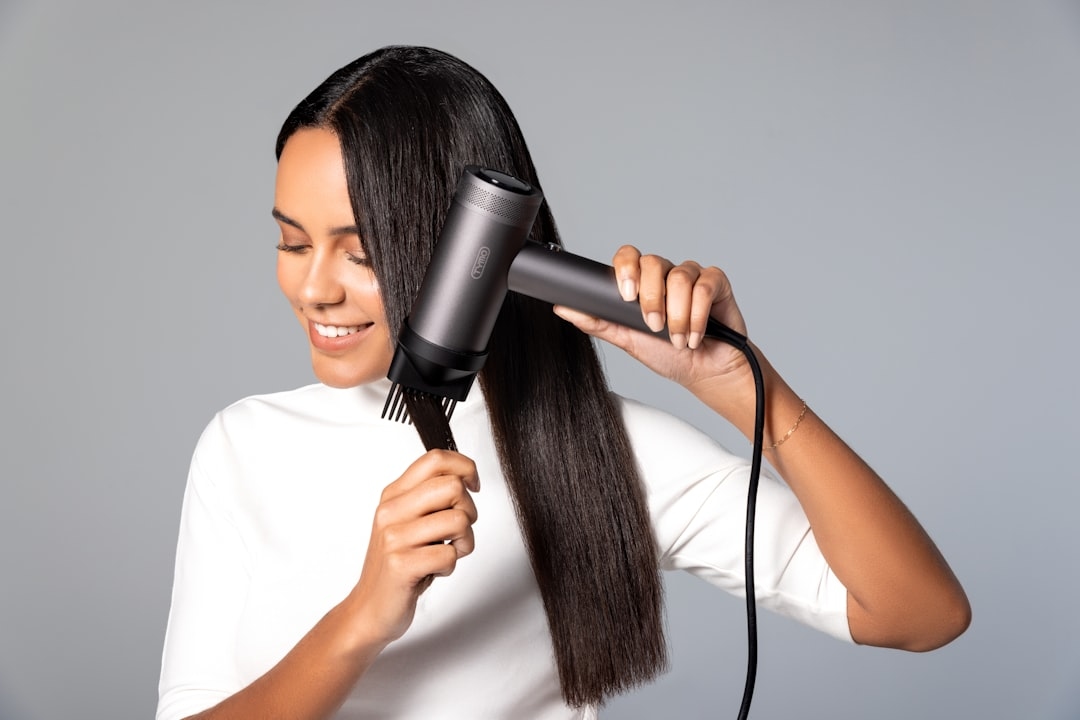
Research from the British Association of Dermatologists found that 64% of people who regularly straighten their hair experience significant damage, yet 89% of these individuals continue because they value the appearance results. The good news: you can straighten hair without damage by using proper technique, appropriate tools, and protective products. This guide covers scientifically-backed methods for how to straighten hair without damage, whether you’re dealing with natural curls, chemical treatments, or simple frizz.
Understanding Hair Damage From Straightening
Heat straightening damages hair by disrupting hydrogen bonds within the protein structure and causing moisture loss. These bonds give curly hair its shape. When you apply heat, you’re essentially forcing a temporary break in these bonds, but the damage accumulates with repeated heat exposure. The outer cuticle layer (made of overlapping cells) becomes raised and roughened, moisture escapes, and the hair becomes prone to breakage.
The damage process is cumulative. One straightening session at 200°C causes temporary straightness but recovers naturally. Repeated weekly sessions without protection compound damage month after month. After 6-12 months of unprotected heat straightening, hair becomes visibly damaged: brittle, prone to split ends, and difficult to style.
Different hair types experience different damage thresholds. Fine hair is damaged by lower temperatures (under 180°C) and shorter contact times. Thick, coarse hair tolerates higher temperatures (up to 230°C) for longer periods. Damaged or previously chemically treated hair is most vulnerable—if your hair has been coloured, permed, or relaxed, reduce straightening frequency and temperature immediately.
The Foundation: Preparation Before Straightening
Deep Conditioning Treatment (Essential)
The single most important step in damage prevention happens before you apply any heat. Deep condition your hair 24 hours before straightening. A protein-rich treatment (containing keratin, collagen, or hydrolysed silk) strengthens the hair shaft and partially seals the cuticle against moisture loss.
UK products include Olaplex No. 8 Bond Intense Moisture Mask (£30), Kérastase Elixir Ultime Masque (£28), or budget alternatives like Cantu Shea Butter Restorative Mask (£6). Apply from mid-length to ends, leave on for 20-30 minutes (or overnight), then shampoo. Your hair is now better protected for heat styling.
Using Heat Protectant Spray
Heat protectant sprays create a polymer barrier between your hair and the straightening tool. This barrier reduces moisture loss by 40-50% and prevents direct heat contact. Silicone-based sprays (most common) work well; film-forming sprays with dimethicone are most effective.
Apply heat protectant to damp hair before blow-drying, then again to completely dry hair before straightening. Spray section by section, saturating each area. Tresemmé Heat Protect Spray (£3-4) works adequately; premium Bumble and bumble Invisible Oil Heat Protectant Mist (£32) offers superior protection and leaves hair shinier.
Pre-Straightening Moisture Application
Straighten only completely dry hair. Never straighten damp or wet hair—the water inside the hair shaft turns to steam, causing internal damage and split ends. Wet hair also stretches more easily, leading to breakage. Dry your hair completely with a blow dryer at least 30 minutes before straightening, then allow 15 minutes of rest to ensure deep moisture equilibrium.
Technique: The Right Way to Straighten Hair Without Damage
Temperature Selection by Hair Type
Temperature is the most critical factor in preventing damage:
- Fine hair: 160-180°C maximum. Fine hair has smaller diameter and less structural integrity. Temperatures above 180°C cause immediate visible damage.
- Medium hair: 180-200°C. Most straighteners are most effective in this range. Use 180°C first, increase only if results are insufficient.
- Thick or coarse hair: 200-230°C. Thicker strands require higher temperature but rarely need to exceed 220°C. Even coarse hair begins showing damage above 230°C.
- Previously damaged, coloured, or chemically treated hair: 160-180°C regardless of original hair type. Damaged hair is weaker and more vulnerable. Lower temperature is essential.
Start 20°C lower than you think you need. Most people use unnecessarily high temperatures. A 180°C straightener takes slightly longer passes (3-4 instead of 1-2) but produces equal results with significantly less damage.
Straightening Technique Step-By-Step
Section your hair: Divide hair into 4-6 sections using clips. Smaller sections (approximately 2-3cm width) allow thorough straightening and reduce the temptation to make multiple passes over the same hair.
Start at the back: Begin straightening at the nape of your neck, working upward. This allows practice on less visible hair before reaching the front.
Use smooth, steady passes: Clamp the straightener on the section of hair close to the scalp (approximately 1cm from roots). Glide downward slowly and smoothly, taking 3-5 seconds to traverse the length of your hair. Do not hesitate, stop, or go back over the same section multiple times.
One pass is sufficient: If your heat protection and temperature are correct, one pass straightens the hair adequately. Making 2-3 passes triples the heat damage without improving results. If you need multiple passes, your temperature is too low or your heat protectant is inadequate—adjust these rather than repeating passes.
Avoid the scalp: Keep the straightener at least 1cm from your scalp to prevent burns and scalp damage. Hair is strongest near the mid-length; roots are most vulnerable.
Professional Straightening Techniques
Japanese hair straightening (thermal reconditioning) and Brazilian keratin treatments provide semi-permanent straightness lasting 8-12 weeks. These salon treatments cost £150-350 and involve applying protein coatings that reduce curliness. Results are longer-lasting than daily straightening but involve more initial chemical exposure. They’re ideal for people who straighten daily—the semi-permanent effect reduces need for frequent heat styling.
UK salons offering these treatments are concentrated in London and major cities. Provincial areas have fewer specialists. Treatments require specialist training; ensure your salon uses certified professionals and is registered with the Health and Safety Executive.
Straightener Tool Selection
Ceramic vs. Tourmaline Plates
Ceramic plates heat evenly and distribute heat across the full plate width. Tourmaline (a crystalline mineral) is infused into ceramic to reduce frizz and add shine through ionic emission. The practical difference: tourmaline straighteners produce slightly shinier results but cost 30-40% more.
For damage prevention, ceramic is sufficient. Both plate types reach the same temperature. Ionic technology (some straighteners emit negative ions) reduces frizz but doesn’t reduce heat damage. Choose based on budget; a £25 ceramic straightener prevents damage as effectively as a £150 tourmaline model if used correctly.
Straightener Width and Size
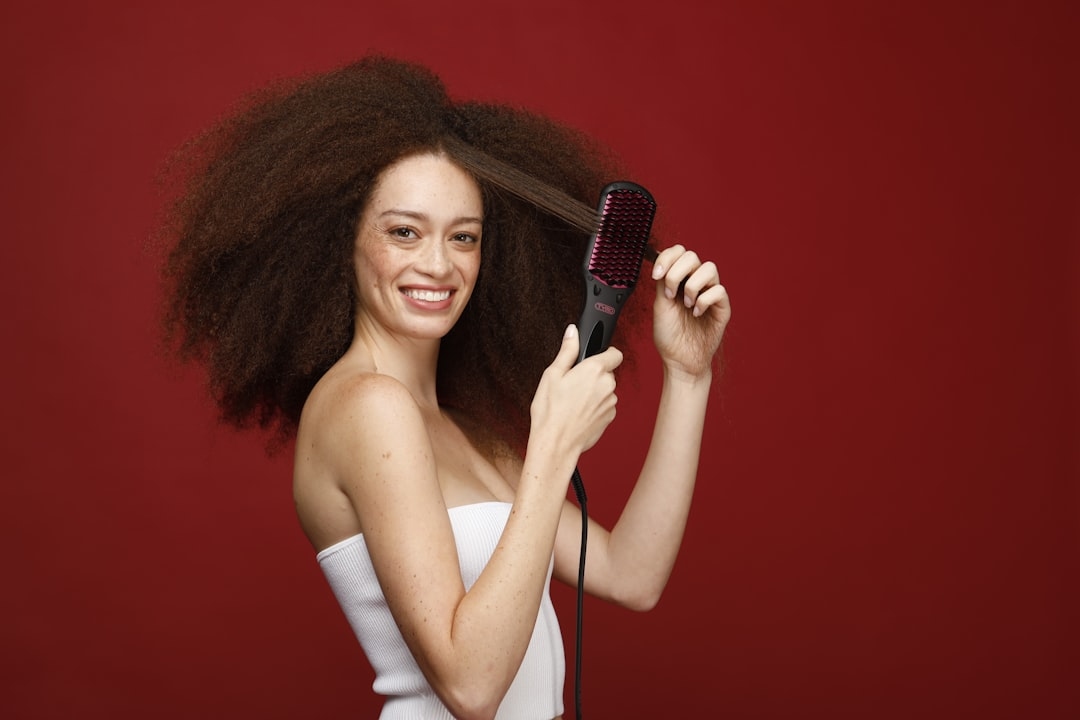
Narrower straighteners (0.5-1cm width) are gentler and provide more control but require more passes. Wider straighteners (2-3cm) cover more area per pass and work faster. For fine or damaged hair, narrow straighteners are preferable. For thick, healthy hair, wider straighteners are adequate.
Budget straighteners (£15-25) often have uneven heating or poor temperature control. Mid-range options (£40-80) like Babyliss Pro or GHD (£120-150) provide reliable, consistent heating. For apartment living or travel, compact straighteners (15cm length) work well and cost £20-50.
Reader Story: Finding Balance
Emma, a 28-year-old from Manchester, spent five years straightening her naturally curly hair daily. By 2023, her hair was severely damaged—brittle, split, and breaking constantly. After learning about damage prevention, she reduced straightening to twice weekly, started using heat protectant spray, and switched to 180°C (down from 230°C). Within six months, her hair noticeably improved. She still straightens regularly but now maintains healthy hair through proper technique. “I didn’t realise how much damage I was doing,” she reflects. “Once I understood the science, changing my approach was easy. My hair is now strong enough to straighten without guilt.”
Post-Straightening Hair Care
Cool-Down and Moisture Sealing
After straightening, apply a smoothing serum or shine oil to your hair whilst it’s still warm (but cool enough to touch comfortably). Heat opens the cuticle, and applying moisture-locking products whilst the cuticle is open allows deeper penetration. Coconut oil, argan oil, or silicone serums all work.
Wait at least 2 hours before washing to allow the seal to set. If you must wash sooner, use cool water and a gentle shampoo to minimise cuticle disruption.
Weekly Deep Conditioning Routine
If you straighten regularly (2+ times weekly), incorporate a deep conditioning treatment into your weekly routine. This isn’t optional—it’s essential damage prevention. Apply a protein treatment to your entire hair length, leave on for 20-30 minutes or overnight, then shampoo with a gentle, moisturising shampoo.
Budget: £6-8 weekly (using a 300ml conditioner lasting 4-5 applications). Allocate 30 minutes weekly to this treatment. The time investment prevents hair deterioration and eliminates the need for regular trims of damaged ends.
Alternatives to Heat Straightening
No-Heat Straightening Methods
If you straighten daily, consider rotating with damage-free methods:
- Blow-dry straightening: Using a paddle brush and a directional blow dryer nozzle, you can straighten hair with direct heat. This is gentler than a straightener because air heat is less concentrated. Takes 15-20 minutes for shoulder-length hair.
- Roller straightening: Damp hair rolled onto large rollers (5cm diameter) and allowed to air-dry produces straight or wavy results without heat. Requires 2-3 hours of drying time but eliminates heat damage entirely.
- Cream straighteners: Non-heat chemical straighteners (different from relaxers, which are permanent) temporarily straighten hair for 2-3 weeks. Costs £8-15 and lasts through 2-3 washes. Gentler than daily heat but still chemical-based.
Regional Perspectives on Hair Straightening
Different regions of the UK approach straightening differently. In Northern regions, naturally wavy/curly hair is more common and straightening is less frequent culturally. Southern England and London have higher concentration of specialist straightening salons and heat styling is more embedded in beauty culture. Scotland and Wales see less frequent heat straightening overall. Understanding your regional context helps identify local expertise—if straightening is uncommon in your area, finding experienced stylists may require travel or online resources.
Frequently Asked Questions
Can you straighten hair without damage at all?
Not completely. Heat inherently causes some microscopic damage. However, you can minimise damage to insignificant levels (less than normal daily environmental damage) through proper technique and protection. The goal is not zero damage, but damage reduction to negligible levels.
How often can you safely straighten hair?
With proper protection, 2-3 times weekly is sustainable long-term. Daily straightening at 180°C for months without additional treatment will eventually cause visible damage. If you straighten daily, use semi-permanent treatments or no-heat methods 2-3 days weekly to reduce frequency.
Does straightening permanently damage the hair or does it recover?
Hair damage is permanent for that hair length because hair is non-living once it exits the follicle. However, new hair growing from your scalp is undamaged. With proper care, damaged ends can be trimmed and new hair replaces them within 6-12 months. The follicle itself is not permanently damaged by straightening.
What’s the best straightener to prevent damage?
Technique and protection matter more than the tool. A £30 ceramic straightener with proper technique prevents more damage than a £200 straightener used incorrectly. Choose a tool with reliable temperature control and ceramic plates. GHD (£120) and Babyliss Pro (£60-90) are consistently reliable without requiring premium pricing.
Can damaged hair be repaired, or is it lost?
Visible damage cannot be repaired because hair is non-living. Conditioners and treatments can improve appearance temporarily by smoothing the cuticle, but structural damage is permanent. The only solution is trimming damaged ends and preventing further damage to new growth. A quarterly trim (removing 2-3cm of damaged ends) whilst preventing new damage results in healthy hair within 12-18 months.

+ There are no comments
Add yours