



Contents:
- Understanding Hair Bounce and What Creates It
- The Role of Moisture in Creating Bouncy Hair
- How to Get Bouncy Hair: Pre-Styling Preparation
- Shampooing for Volume
- Conditioning Strategy for Bounce
- The Drying Phase: Building Your Foundation
- Styling Techniques for Lasting Bounce
- Round Brush Method
- Velcro Rollers for Hands-Free Volume
- Comparing Bounce Versus Waves
- Regional Approaches to Bouncy Hair
- Southeast England and London Approach
- Northern England Perspective
- Scotland and Wales Considerations
- Product Selection for Bouncy Hair
- Heat Styling Safety for Healthy Bounce
- Bounce-Boosting Treatments and Masks
- Maintaining Bounce Between Washes
- FAQs About Getting and Maintaining Bouncy Hair
- Making Bounce Work in Small Spaces
- Troubleshooting Common Bounce Problems
- The Investment in Bouncy Hair
- Moving Forward With Your Bounce Journey
What if the difference between flat, lifeless hair and gorgeous bouncy locks comes down to just three simple adjustments in your routine? Most people assume bouncy hair requires expensive treatments or elaborate styling sessions, but that’s simply not true. Whether you’re working with fine hair, thick curls, or anything in between, achieving movement and volume is entirely within your reach—even if you’re styling in a compact bathroom or tiny bedroom.
Bouncy hair isn’t just about looking polished; it’s about how your hair moves, catches light, and frames your face. The scientific foundation of bounce comes from moisture balance, proper structure, and lifting techniques applied at the roots. Hair becomes flat when moisture is depleted, when the cuticle lies too flat against the shaft, or when styling tools aren’t used strategically. Understanding these basics transforms the entire process.
Understanding Hair Bounce and What Creates It
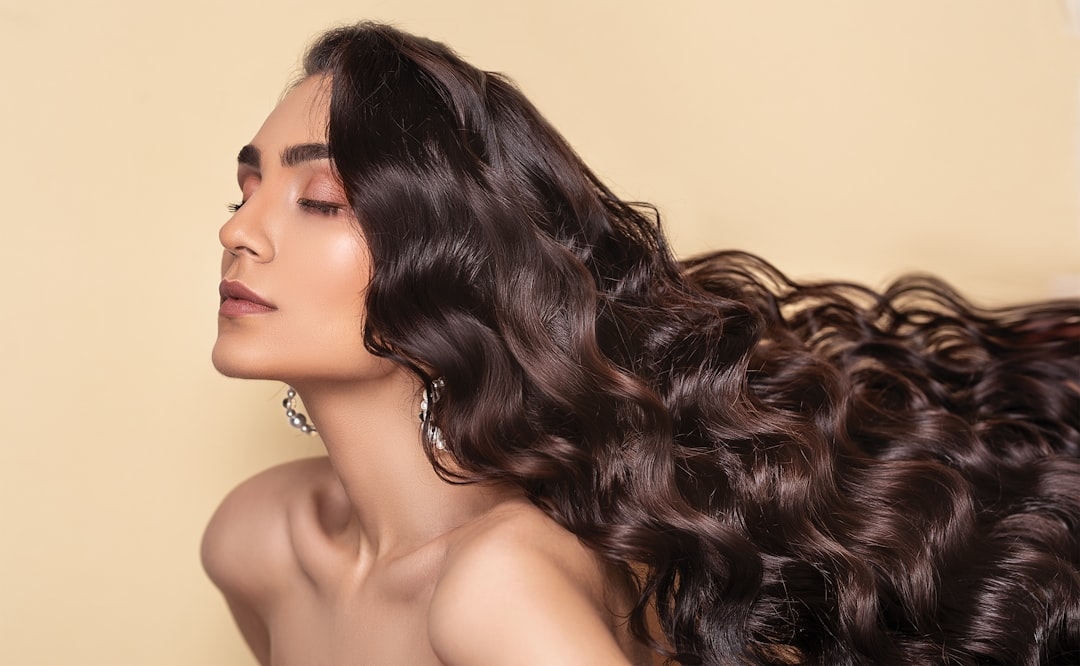
Hair bounce refers to the spring-like movement that occurs when hair has sufficient moisture, elasticity, and volume at the roots. Think of it as the difference between a fresh rubber band and a dried-out one—the fresh one snaps back, while the dried version just lies there. Your hair’s cortex contains a protein called keratin, which forms the structural backbone of each strand. When hair is properly hydrated, this keratin maintains its natural elasticity and can hold styles longer whilst still moving naturally.
According to Sarah Mitchell, a trichologist at the London Institute of Hair Science with over 15 years of clinical experience, “Bounce is fundamentally about the hydrogen bonds within the hair cortex. When these bonds are supported by hydration and proper care, hair responds with natural spring and movement. Many people chase bounce through styling alone, but it starts with internal hair health.”
The reality is that bounce involves three interconnected layers: the cuticle (outer protective layer), the cortex (where keratin lives), and the medulla (the core). When all three are in optimal condition, your hair reflects light more evenly and moves with resilience.
The Role of Moisture in Creating Bouncy Hair
Moisture isn’t just about your hair feeling wet. It’s about the equilibrium level of water molecules within each strand. Hair naturally contains between 11 and 13 percent moisture by weight. When this drops below 10 percent, your hair becomes brittle, frizzy, and loses its ability to spring back. When it rises above 14 percent, hair becomes limp and difficult to style.
The challenge with small spaces is that humidity and moisture control become trickier. You don’t have a sprawling bathroom with ventilation like a salon, so moisture builds up differently. This actually works in your favour—you have a more consistently humid environment, which means your hair retains moisture more easily. The catch? You need to balance this with proper product application so you don’t end up with heavy, greasy hair.
Deep conditioning treatments that contain hygroscopic ingredients (substances that attract and hold moisture) are your foundation. Look for products containing glycerin, panthenol, or amino acids. These typically cost between £6 and £15 per treatment in the UK market, making them highly accessible. Apply these treatments to damp hair, focusing on the mid-lengths and ends, and leave them on for at least 10 minutes—or overnight if you’re using a lighter formulation.
How to Get Bouncy Hair: Pre-Styling Preparation
The most important stage happens before you touch a styling tool. Professional hairstylists know that 80 percent of the work is done in preparation. Your hair must be clean, conditioned, and properly dried to hold volume.
Shampooing for Volume
Clarifying your hair removes mineral buildup from hard water, product residue, and environmental pollutants that weigh hair down. However, you don’t want to clarify every wash—that strips too much natural oil. Instead, use a clarifying shampoo once every two weeks. On regular wash days, use a volumising shampoo that contains lighter surfactants and often includes polymers that coat each strand for lift. These typically range from £4 to £8 per bottle in UK shops.
The technique matters as much as the product. Focus shampoo on your scalp and roots, using your fingertips rather than your nails. Work in circular motions for about 30 seconds. This stimulates blood flow to the scalp and removes dead skin cells, creating a healthier environment for hair growth. Many people spend far too little time shampooing and too much conditioning, which inverts what they actually need.
Conditioning Strategy for Bounce
Here’s where most people make their first mistake: they condition their entire head of hair from roots to tips. If your hair is naturally fine or thin, this immediately adds weight and flattens any potential volume. Instead, condition only the lower two-thirds of your hair, avoiding the roots by at least 2 inches. This protects the ends where damage is most visible while keeping your roots light.
Leave conditioner on for 2 to 3 minutes. Any longer than five minutes and you’re just wasting product and potentially over-moisturising. If you have very curly or coarse hair, you might condition for slightly longer, but the goal is always that sweet spot where hair feels soft without feeling heavy.
The Drying Phase: Building Your Foundation
How you dry your hair determines 70 percent of your final volume. Rough-drying with a standard blow dryer in random directions creates tangles and frizz. Instead, use this technique: wrap your hair in a microfiber towel or t-shirt for 5 to 10 minutes immediately after washing. This absorbs water without the friction that causes breakage. Microfiber towels cost around £3 to £6 and last months, making them excellent value.
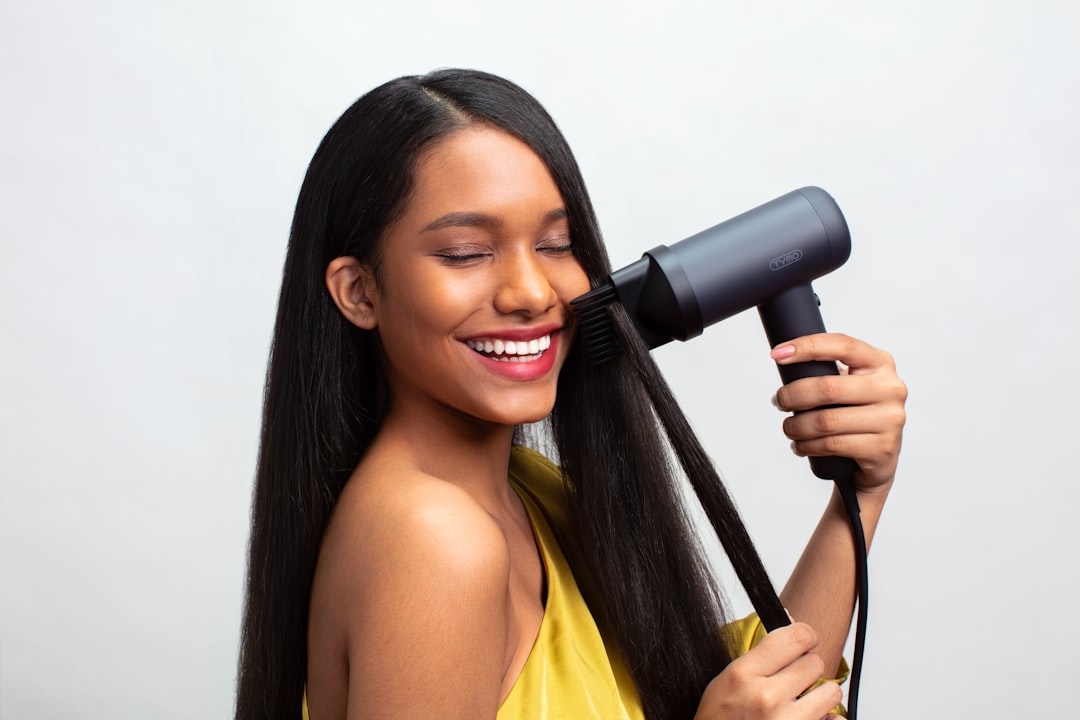
Once your hair is about 60 percent dry (still damp but not dripping), begin blow drying using a concentrator nozzle. Start at the roots and direct the airflow downward, following the cuticle layer from root to tip. This closes the cuticle, seals moisture in, and naturally creates shine and bounce. Work one section at a time. Spend about 20 seconds per section, moving the dryer constantly to avoid heat damage.
For maximum root lift, flip your head upside down whilst drying the underside of your hair. This forces roots to dry away from the scalp, creating height that lasts all day. A ionic blow dryer (which releases negative ions to reduce frizz) costs between £20 and £60 and makes a noticeable difference, especially in humid climates.
Styling Techniques for Lasting Bounce
Round Brush Method
A round brush is perhaps the single most effective tool for creating bounce. The barrel of the brush lifts hair away from the scalp, and the heat from your blow dryer sets that shape into the hair. Use a brush with a 2.5 to 3-inch diameter (large enough to create volume without creating unnatural waves). Prices range from £8 to £20.
Wind each section of hair around the brush, tension it slightly, and blow dry for 10 to 15 seconds before releasing. The heat temporarily softens the hydrogen bonds in your hair, and as it cools whilst wound around the brush, those bonds reset in the lifted position. This is why hairstylists spend so much time with round brushes—it works with your hair’s natural chemistry rather than against it.
Velcro Rollers for Hands-Free Volume
If you’re styling in a small space and prefer hands-free options, velcro rollers deliver genuine bounce without requiring active tool control. Larger rollers (2 to 2.5 inches diameter) create waves and volume, whilst smaller rollers (1.5 inches) create tighter curls. A set of six rollers costs £5 to £10.
Roll damp sections of hair around each roller and secure with clips or elastic bands. Blow dry the entire set, then let rollers cool completely (about 5 minutes) before unrolling. The cooling time is crucial—it allows the set to lock in. Many people remove rollers too quickly and wonder why their waves don’t last.
Comparing Bounce Versus Waves
People often confuse “bouncy hair” with “wavy hair,” but they’re distinctly different. Bouncy hair has vertical lift and spring-like movement whilst retaining a relatively straight appearance. Waves are deliberate, visible undulations in the hair shaft. You can have bouncy straight hair or bouncy wavy hair, but they’re separate aesthetic goals. If your search intent is bounce specifically, you want volume and movement, not necessarily defined waves. Understanding this distinction helps you choose the right tools and techniques.
Regional Approaches to Bouncy Hair
Hair care isn’t one-size-fits-all across the UK. Weather, water chemistry, and cultural styling preferences vary significantly by region.
Southeast England and London Approach
The South typically has softer water and higher summer humidity. London stylists often emphasize lightweight products that won’t weigh down hair in humid conditions. Volumising sprays and texturizing powders (£4 to £8) are popular because they add grip without heat or moisture. The culture in London salons leans toward natural-looking volume rather than structured waves.
Northern England Perspective
The North tends to have harder water due to limestone, which deposits mineral coatings on hair and causes flatness. Weekly clarifying treatments are more common here. Northern stylists frequently recommend chelating shampoos (which bind and remove minerals) as part of the routine. Moisture-rich products are prioritized because the water makes hair drier despite seeming contradiction.
Scotland and Wales Considerations
Scotland and Wales have higher average rainfall and humidity. Hair naturally retains more moisture, so lighter leave-in products and anti-humidity serums (£6 to £12) are standard. Frizz control becomes equally important as volume creation. Scottish stylists often recommend keeping hair slightly shorter to maintain bounce, as longer hair in humid climates becomes weighed down more easily.
Product Selection for Bouncy Hair
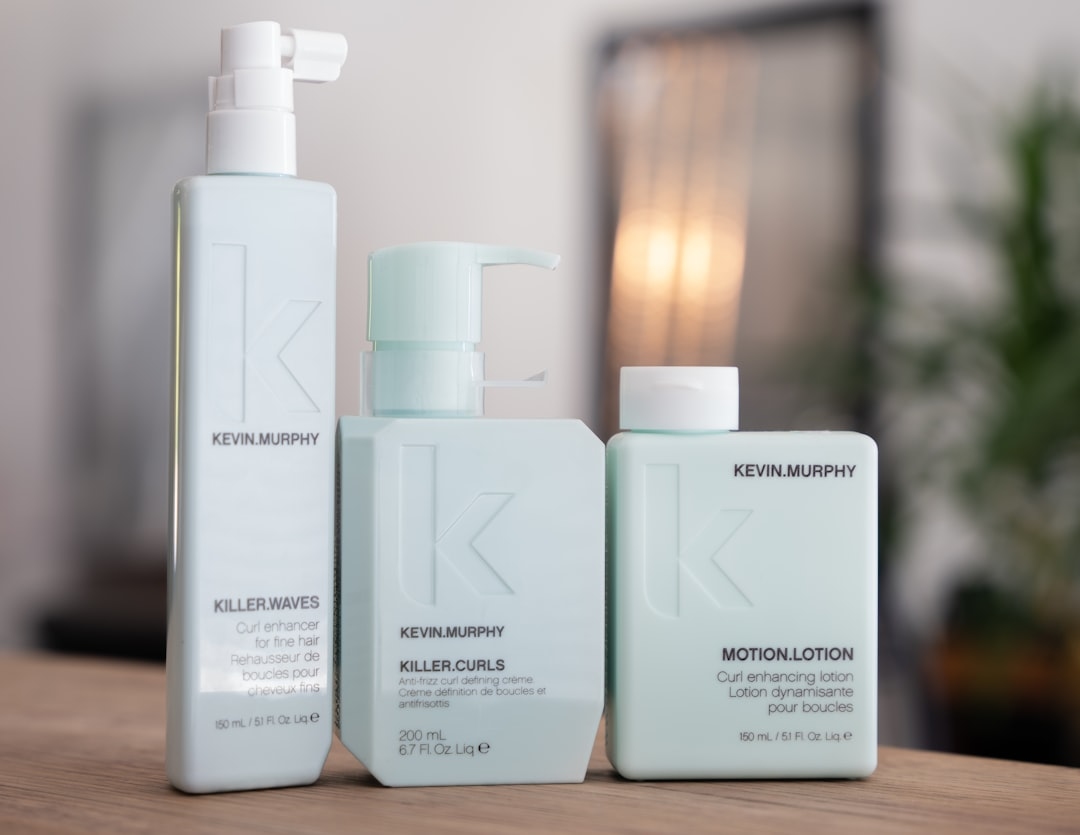
The right products work together synergistically. You need: a volumising shampoo (£4 to £8), a lightweight conditioner (£4 to £7), a leave-in conditioner or styling spray (£5 to £10), and a finishing product for hold.

Volumising mousses applied to damp roots before blow drying create lasting lift. These cost £4 to £6 and work by depositing polymers that expand when they dry, creating structure without stiffness. Apply a golf-ball-sized amount to just the roots, working it through with your fingers rather than a comb.
Texturizing powders or dry shampoos applied to damp roots add grip that helps volumising styling last longer. Use sparingly—a light application at the crown and around the hairline is usually sufficient. These cost £3 to £7 and are worth every penny.
Finishing sprays matter far more than many people realize. A lightweight hairspray (not a heavy-hold industrial version) costs £4 to £8 and locks your style without creating crunchiness. Hold it 12 inches from your hair and use three or four light mists rather than one heavy spray. Light application prevents that stiff, artificial look that turns people off bounce-focused styling.
Heat Styling Safety for Healthy Bounce
Heat damage is the enemy of lasting bounce. Damaged hair becomes brittle and loses elasticity, so it can’t hold volume or movement. Always use a heat protectant spray (£3 to £6) on damp hair before any heat styling. These create a protective barrier that reduces moisture loss during blow drying by up to 72 percent.
Set your blow dryer to medium heat and medium speed. High heat dries hair faster but causes more damage. Take your time. Rushing through blow drying with extreme heat is the fastest way to sacrifice bounce for speed. Most professional stylists actually use medium settings and just spend more time on proper technique.
Once or twice weekly, give your hair a break from heat styling. These “heat-free days” allow damaged cuticles to relax and moisture to rebalance naturally. Your bounce will actually improve with these breaks because your hair starts each heat-styling session in better condition.
Bounce-Boosting Treatments and Masks
Beyond your weekly routine, monthly treatments make a real difference. Keratin treatments (not the permanent kind, but temporary protein treatments) cost £8 to £20 per application and fill microscopic gaps in the cuticle layer. This creates smoother hair that reflects light better and naturally feels bouncier.
Protein treatments should alternate with moisture treatments. Use a protein-rich mask one week, then a moisture-rich mask the next week. This prevents the buildup that makes hair feel straw-like. Leave masks on for 15 to 20 minutes, or longer if the product instructions allow.
Apple cider vinegar rinses (one tablespoon diluted in a cup of water, applied after conditioning) close the cuticle layer and remove mineral and product buildup. Do this once every two weeks. It’s inexpensive—typically under £1 per rinse—and delivers measurable improvement in shine and bounce within three to four applications.
Maintaining Bounce Between Washes
Freshly styled bounce naturally decreases as you move through the day. By day two or three, gravity and friction reduce volume. Here’s how to extend bounce:
Sleep on a silk or satin pillowcase (£8 to £15). Cotton pillowcases create friction that flattens hair and causes breakage. Silk and satin are smooth, so hair maintains its shape better overnight. This single change extends the life of your style by one to two days.
Root refresh products are your friend. Texturizing powder, dry shampoo, or even a light misting with volumising spray can restore day-two bounce. Apply to roots, massage gently, and your volume returns. These products cost £3 to £8 and are worth keeping in your drawer at all times.
Avoid touching your hair repeatedly throughout the day. Every touch flattens the cuticle and breaks down your carefully created structure. This is especially true if you have damp hands or if you’re repeatedly twirling or running fingers through your hair.
FAQs About Getting and Maintaining Bouncy Hair
How long does it take to see bounce improvements after starting a new routine?
Most people see noticeable improvements within 4 to 6 washes once they apply the correct technique. However, the most dramatic improvements appear around week 3 to 4, once deeper conditioning treatments have had time to repair internal hair structure.
Can short hair be bouncier than long hair?
Yes. Shorter hair is naturally lighter, so gravity pulls it down less. If you’re struggling with bounce in longer hair, a trim to shoulder length or shorter often immediately improves volume. This is especially true for fine hair types.
What’s the difference between bounce and frizz?
Bounce is controlled movement with shine. Frizz is uncontrolled, dull movement caused by moisture imbalance and cuticle damage. Bounce looks intentional and polished, whilst frizz looks unfinished. Both involve movement, but their quality and appearance are completely different.
Can I get bouncy hair with a flat iron alone?
A flat iron creates straightness, not volume. It can add shine by smoothing the cuticle, but it doesn’t create lift. Combine flat iron styling with volumising at the roots using a blow dryer and round brush for best results.
How often should I use a clarifying shampoo?
Once every two weeks is appropriate for most people. If you use many styling products, clarify weekly. If you rarely use products, clarify every three weeks. Hard water areas need more frequent clarifying than soft water areas. Listen to your hair—when it starts feeling dull or sticky despite normal washing, it’s time to clarify.
Making Bounce Work in Small Spaces
The constraints of styling in a small apartment actually provide advantages. Your environment maintains consistent humidity, which keeps hair moisture-balanced. You just need to be more intentional about airflow and prevent product buildup.
A compact blow dryer with a concentrator nozzle (£20 to £35) is worth the investment. These are smaller than standard dryers, making them easier to maneuver in tight bathrooms whilst remaining powerful enough for proper styling. Wall-mounted shelving above your mirror (£15 to £30) keeps styling tools organized and accessible without cluttering valuable counter space.
Work in sections and take your time. Rushing through styling in a cramped space leads to mistakes and re-doing work. Set aside 20 to 25 minutes for blow drying and styling. This isn’t much time in the larger scope of your week, but it compounds into beautiful results.
Troubleshooting Common Bounce Problems
If your hair falls flat by midday, you’re likely over-conditioning or using products that are too heavy. Try reducing conditioner amount by 25 percent and switching to a volumising spray instead of a heavier mousse.
If your hair looks frizzy rather than bouncy, your moisture balance is off. This usually means your conditioner isn’t hydrating enough or you’re not sealing the cuticle properly. Switch to a richer conditioner, and always finish drying with cool air from your blow dryer to seal the cuticle layer.
If bounce doesn’t last beyond a few hours, your hair structure might be compromised from heat damage. Reduce heat styling frequency and always use heat protectant. Within two weeks of consistent heat protection and conditioning, your hair’s elasticity returns and bounce duration extends dramatically.
If your scalp feels greasy but ends are dry, you’re likely using a conditioner that’s too rich for your hair type. Switch to a lightweight formula and condition only the bottom half of your hair, avoiding roots completely.
The Investment in Bouncy Hair
You don’t need to spend hundreds of pounds to achieve bouncy hair. A complete starter kit of volumising shampoo (£6), lightweight conditioner (£6), heat protectant (£4), a round brush (£12), a microfiber towel (£4), and texturizing powder (£5) totals roughly £37. This covers the essentials. Add monthly protein treatments (£15 per month) and you’re investing about £15 to £20 monthly once the initial setup is complete.
Compare this to professional blow-outs, which cost £25 to £40 each in most UK salons. You’d break even in two professional appointments. The real value isn’t just financial—it’s the independence that comes with understanding your hair and being able to create professional results at home.
Moving Forward With Your Bounce Journey
Getting bouncy hair isn’t about finding one magical product or technique. It’s about understanding your hair’s chemistry, respecting its structure through proper care, and using styling tools strategically. Start by implementing the preparation steps—the right shampoo, conditioner, and drying technique. These fundamentals generate the biggest immediate improvement.
Then add styling technique through round brushes or velcro rollers. Finally, refine with quality finishing products. This three-layer approach works because each layer builds on the previous one, creating cumulative, lasting results rather than temporary effects that disappear after a few hours.
Your hair has far more potential than you might think. Given proper care, the right techniques, and a bit of patience, bouncy, voluminous hair isn’t aspirational—it’s absolutely achievable. Start this week. Pick one new technique and master it before adding the next. Within a month, you’ll notice a genuine transformation.

+ There are no comments
Add yours