





Contents:
- The Protein Foundation: Keratin and Hair Composition
- The Three Layers: Understanding Hair Structure
- The Cuticle: Your Hair’s Protective Armor
- The Cortex: Where Hair Gets Its Properties
- The Medulla: The Innermost Core
- Water, Oils, and Other Hair Components
- How Hair Grows: The Living Follicle
- Natural Variations: Texture, Thickness, and Type
- Common Mistakes to Avoid When Caring for Hair
- Sustainability and Eco-Friendly Hair Care
- Practical Tips for Healthy Hair Based on Hair Composition
- Frequently Asked Questions About Hair Composition
- Is hair alive or dead?
- Why does hair turn grey?
- Can you really repair damaged hair?
- What’s the difference between moisturising and protein treatments?
- Does brushing damage hair?
- Final Thoughts: Applying Hair Science to Your Routine
Ever pulled a hair from your head and wondered exactly what you’re holding? Most of us take our hair for granted, but understanding what hair is made of unlocks the secret to caring for it properly—and spending less money on expensive treatments that don’t work. The science is straightforward, yet fascinating. Your hair isn’t just one simple fiber; it’s a complex structure built from multiple layers and proteins working in harmony.
The Protein Foundation: Keratin and Hair Composition
Hair’s primary building block is a protein called keratin. Roughly 95% of your hair shaft consists of this tough, protective protein. Keratin is the same substance that forms your nails and the outer layer of your skin, though it’s arranged differently in hair to create strength and flexibility.
Keratin molecules link together in chains, creating structures that provide hair with its fundamental properties. These chains are held together by chemical bonds—disulfide bonds, hydrogen bonds, and ionic bonds—that give hair its natural shape and texture. When you apply heat or moisture to hair, you’re actually affecting these bonds temporarily or permanently. Understanding this chemistry helps explain why certain treatments work and why others don’t.
The keratin in your hair comes from amino acids that your body produces through diet. This is why protein intake matters: if you’re not eating enough protein, your body prioritizes muscle and organ function over hair growth. Budget-conscious readers should note that you don’t need expensive protein supplements—regular foods like eggs, chicken, lentils, and yogurt provide all the keratin-building amino acids you need.
The Three Layers: Understanding Hair Structure
Hair isn’t a solid rod. Hair is made of three distinct layers, each with its own purpose. This three-layer structure is crucial to understanding why different products and treatments work the way they do.
The Cuticle: Your Hair’s Protective Armor
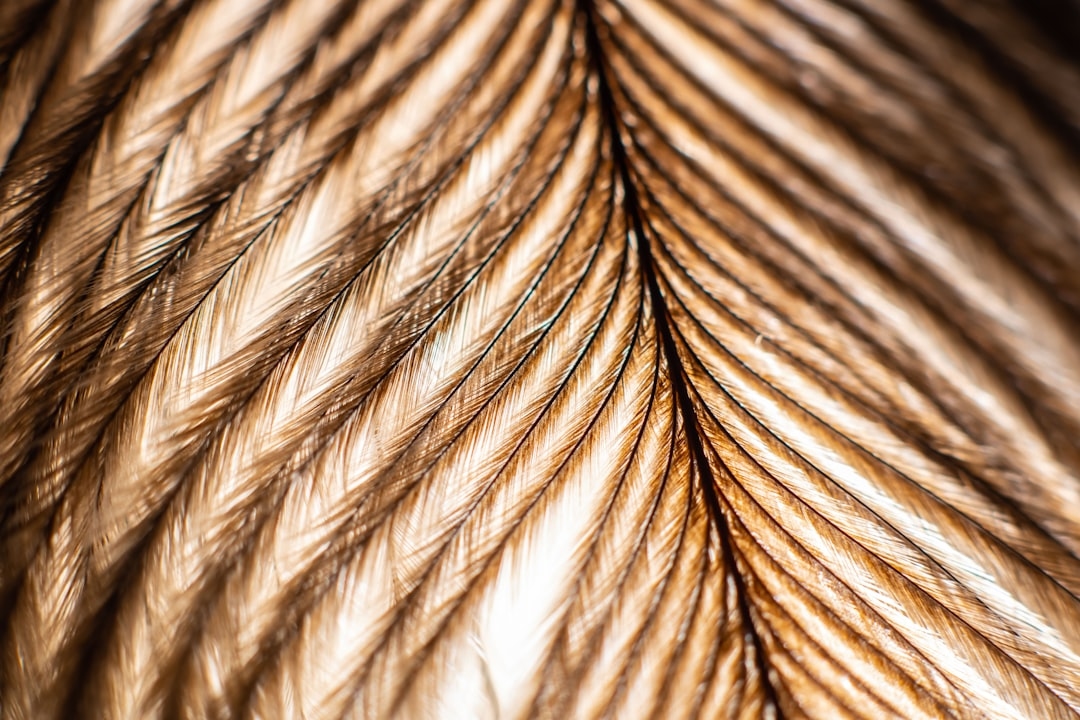
The outermost layer is the cuticle, consisting of overlapping transparent protein cells arranged like roof shingles. Your hair contains between 6 and 10 layers of these cuticle cells, stacked tightly to protect what lies beneath. Under a microscope, healthy cuticles lie flat and smooth. Damaged cuticles raise up or chip away, which is why your hair looks dull, frizzy, or breaks easily.
The cuticle layer is where most hair colour products work. Since the cuticle is transparent, light passes through it and reflects off the cortex beneath. When cuticles lie flat, light bounces evenly and hair looks shiny. When they’re raised, light scatters and hair appears dull. This is why a simple rinse with cold water can make a dramatic difference—cold closes the cuticle, cold closes the cuticle, improving shine instantly.
The Cortex: Where Hair Gets Its Properties
Beneath the cuticle lies the cortex, the thickest layer and the one containing most of your hair’s keratin. This layer determines your hair’s strength, elasticity, colour, and texture. The cortex contains melanin (the same pigment in your skin), which gives hair its natural colour. As you age, melanin production slows, resulting in grey or white hair.
The cortex also contains water—typically around 10 to 13 percent of the cortex’s weight consists of moisture. This water content is essential; dehydrated cortex leads to brittleness and breakage. Many expensive hair treatments actually just restore this moisture balance, which is why simple deep conditioning can deliver professional results at a fraction of the cost.
The Medulla: The Innermost Core
At the very centre of thicker hair strands lies the medulla, a narrow channel of loosely packed keratin cells. Fine hair often lacks a medulla entirely, which doesn’t make it weaker—it simply means the cortex extends all the way to the centre. The medulla’s primary function is still debated by scientists, though it may play a role in distributing moisture and nutrients throughout the hair shaft.
Water, Oils, and Other Hair Components
Keratin protein forms the structural foundation, but hair contains several other vital components. Water makes up approximately 10 to 13 percent of each hair strand. This moisture content fluctuates based on humidity, which is why your hair behaves differently in summer versus winter.
Natural oils, or sebum, coat the hair shaft from your scalp. These oils travel down the length of each strand, providing waterproofing and shine. They also contain antioxidants that protect your hair from free radical damage caused by UV rays and pollution. Contrary to popular belief, oily scalps and dry hair ends exist together because sebum distribution is uneven—it concentrates near the roots and doesn’t travel the full length in most people.
Your hair also contains trace minerals including zinc, copper, and iron. In 2026, researchers continue discovering new roles these minerals play in maintaining hair health and preventing hair loss. Deficiencies in these minerals often show up in hair before they manifest elsewhere in the body, making hair health a useful health indicator.
How Hair Grows: The Living Follicle
The visible hair shaft itself is technically dead—it contains no blood vessels or nerves. However, the follicle beneath your scalp is very much alive. Each follicle contains living cells that continuously produce new keratin protein, building the hair strand from the inside out. This growth happens at the hair bulb, located at the base of the follicle beneath the skin.
Hair growth occurs in three phases: the anagen (growth) phase lasting 2 to 7 years, the catagen (transition) phase lasting 2 to 3 weeks, and the telogen (resting) phase lasting 3 to 4 months. On average, each hair grows about 6 inches per year, though this varies based on age, health, genetics, and nutrition.
The scalp contains between 100,000 and 150,000 hair follicles, each with its own growth cycle. This is why you lose between 50 and 100 hairs daily—these are simply hairs reaching the end of their telogen phase. Only when you’re losing significantly more than this should you consider it abnormal hair loss.
Natural Variations: Texture, Thickness, and Type
All hair is made of keratin and structured in the same basic three layers, yet hair varies dramatically in appearance and behaviour. These differences come down to how tightly the cortex cells are arranged and how much water each hair type naturally retains.
Straight hair has a circular hair shaft cross-section. Wavy hair has an elliptical cross-section. Curly hair has a flattened, ribbon-like cross-section. These differences are determined by genetics and the shape of your hair follicles—a curved follicle produces curly hair, while a straight follicle produces straight hair. You cannot change your hair texture permanently through products alone, though you can temporarily alter it with heat or moisture.
Hair thickness refers to the diameter of individual strands, which ranges from fine (less than 50 microns) to thick (over 100 microns). Hair density refers to how many strands grow from your scalp. Someone with fine-textured hair can still have high density and thick-looking hair overall. Understanding your own hair’s texture and density helps you choose appropriate products and styles.
Common Mistakes to Avoid When Caring for Hair
Understanding hair composition helps you sidestep costly mistakes:
- Over-washing: Stripping away natural oils that protect the cuticle and provide shine. Most people need only 2 to 3 shampoos weekly, not daily.
- Assuming all products work for all hair types: A volumising shampoo designed to flatten cuticles works against curly hair. Choose products formulated for your specific texture.
- Ignoring the scalp: Healthy hair grows from a healthy scalp. Focus shampoo on scalp and roots; condition mid-length to ends only.
- Heat damage without protection: Heat temporarily opens the cuticle and alters the hydrogen bonds in keratin. Always apply heat protectant products before blow-drying or straightening.
- Expecting permanent changes from temporary treatments: No shampoo, conditioner, or mask can permanently alter your hair’s structure. These products work only on the cuticle layer. For lasting change, you need treatments affecting the cortex—like chemical straightening or permanent colouring.
Sustainability and Eco-Friendly Hair Care
Understanding what hair is made of helps identify sustainable choices. Since natural sebum is your hair’s best conditioner, less-frequent washing reduces water waste and extends the life of products. Bar shampoos and conditioners produce 70% less packaging waste than liquid bottles and last three times longer—a budget-friendly and environmentally responsible choice.
Ingredients matter, too. Hair care products claiming to “repair” or “rebuild” hair are misleading—dead hair cannot repair itself. What these products actually do is coat the cuticle and plump the cortex temporarily. Look for products containing silicones or natural oils for cuticle smoothing and protein-based conditioners for temporary cortex support.
Choose products with minimal ingredients that won’t accumulate on the hair shaft. Silicon buildup is a real problem in 2026’s market, where many affordable products contain heavy silicones. Clarifying shampoos help, but prevention through minimal-ingredient products works better. This approach saves money long-term because you need less product to see results.
Practical Tips for Healthy Hair Based on Hair Composition
Now that you understand the science, here are budget-conscious ways to apply it:
- Prioritise scalp health: A healthy scalp produces healthy hair. Gentle massage stimulates blood flow to follicles. This costs nothing but improves everything.
- Protect the cuticle: Silk pillowcases (around £15-25) reduce cuticle damage during sleep, lasting years. This single investment pays dividends.
- Deep condition when needed: You don’t need luxury treatments. Coconut oil, argan oil, or even plain olive oil applied for 30 minutes weekly provides protein and moisture at a fraction of salon treatment costs.
- Minimise chemical treatments: Every chemical treatment (colouring, perming, relaxing) alters the cortex permanently. Space treatments out and use professional-strength products from budget retailers rather than salon-only brands.
- Get regular trims: Split ends result from cuticle damage that extends up the shaft. Trimming every 6 to 8 weeks prevents minor damage becoming major breakage, ultimately requiring less maintenance.
- Eat for your hair: Since keratin comes from amino acids, adequate protein intake directly supports growth. Eggs (around 20p each) are one of the cheapest, most bioavailable protein sources.
Frequently Asked Questions About Hair Composition
Is hair alive or dead?
The visible hair shaft is dead—it contains no blood vessels, nerves, or living cells. However, the follicle beneath your scalp is alive and continuously producing new hair. This explains why cutting hair doesn’t hurt, but why nutritional deficiencies affect new growth.
Why does hair turn grey?
Hair colour comes from melanin produced in the cortex. As you age, your follicles produce less melanin, gradually resulting in grey hair. This typically begins in the 30s, though genetics determine individual timing. Interestingly, hair doesn’t actually “turn” grey—new hair grows in grey while pigmented hair persists until it naturally sheds.
Can you really repair damaged hair?
No. Once keratin bonds in the cortex are broken, they cannot repair themselves. Hair treatments can coat the cuticle, temporarily filling gaps and smoothing the surface, but they cannot actually repair internal damage. This is why permanent treatments (cutting off split ends) are the only true “repair” solution.
What’s the difference between moisturising and protein treatments?
Moisturising treatments add water to the cortex, plumping the hair shaft temporarily. Protein treatments deposit keratin protein into gaps in the cuticle. Hair needs both—moisture for flexibility, protein for strength. Most people benefit from alternating between them weekly.
Does brushing damage hair?
Brushing can raise the cuticle and cause breakage, especially on wet hair when the cuticle is naturally open. Detangling wet hair with a wide-tooth comb before brushing minimises damage. Dry hair is much more resilient to brushing since the cuticle is closed.
Final Thoughts: Applying Hair Science to Your Routine
Understanding what hair is made of transforms how you approach hair care. You’re no longer choosing random products based on marketing claims—you’re making informed decisions based on actual hair science. Keratin proteins, water content, cuticle condition, and follicle health: these aren’t abstract concepts but the foundation of how your hair looks and behaves.
The good news? You don’t need expensive salons or premium products to care for hair properly. Once you understand that the visible shaft is dead, you’ll stop expecting miracle repairs. Once you know the cuticle is your hair’s protection, you’ll make smarter choices about heat styling and chemical treatments. Once you realise sebum is a beneficial oil, you’ll stop over-washing and let your hair’s natural chemistry work.
Start with one small change—whether that’s silk pillowcases, more frequent trimming, or adding oil treatments to your routine—and observe how your hair responds. Hair takes 3 to 4 months to fully reflect changes in your care routine, so patience matters. With knowledge and consistency, you’ll achieve healthier hair without overspending. The science is on your side.

+ There are no comments
Add yours