





Contents:
- Understanding Why Hair Appears Thin
- Foundation: Nutrition for Hair Density
- Essential Nutrients for Hair Volume
- Supplementation Considerations
- Styling Techniques to Enhance Volume
- The Blow-Dry Method
- Root Lifting with Velcro Rollers
- Regional Considerations in the UK
- Product Strategy for Thin Hair Volume
- Volumising Without Weighing Down
- Textured Products for Appearance of Density
- Haircut Strategy for Thin Hair
- A Reader’s Story: From Flat to Full
- Natural Thickening Masks and Treatments
- DIY Mask Recipes
- Sustainable and Eco-Friendly Options
- Lifestyle Factors Affecting Hair Thickness
- FAQ: Adding Volume to Thin Hair Naturally
- How long does it take to see volume improvement?
- Will these methods work if my thinness is genetic?
- Can I add volume without blow-drying?
- Is there a minimum product cost for adding thin hair volume?
- Should I cut my thin hair short?
Over 42% of UK women experience hair thinning at some point, yet most assume expensive treatments or invasive procedures are necessary to restore volume. In reality, how to add volume to thin hair naturally involves understanding your hair’s specific characteristics and implementing proven styling, product, and lifestyle techniques. Thin hair isn’t a permanent condition—it’s a characteristic you can work with strategically. This guide explores every natural method to create fuller-looking hair without extensions, hairpieces, or chemical treatments.
Understanding Why Hair Appears Thin
Hair thickness is determined by two factors: strand diameter (how fat each individual hair is) and density (how many hairs grow from your scalp). Thin hair typically means either smaller-diameter strands, lower density, or both. This is different from hair loss, which is reduction in total hair count. Someone with thin hair may have all their hairs present but simply thinner individual strands.
Thinness can be genetic (naturally fine texture runs in families), result from damage (heat styling, chemical treatments), stem from nutritional deficiency (iron, protein, B vitamins), or reflect health conditions (thyroid issues, stress). Understanding your thinness cause helps you address it correctly—genetics require styling techniques, whilst deficiency requires dietary changes.
Foundation: Nutrition for Hair Density
Essential Nutrients for Hair Volume
Hair growth requires adequate protein, iron, zinc, B vitamins (particularly biotin and B12), and vitamin D. Deficiency in any of these creates thinner hair, even if genetic potential exists for thicker strands. UK women commonly lack iron (affecting 1 in 5 women of reproductive age), which directly impacts hair thickness within 6 to 12 weeks of deficiency.
Ensure your diet includes: lean meat or plant proteins (lentils, chickpeas) three times weekly, leafy greens (spinach, broccoli) for iron and B vitamins, eggs for biotin (one egg provides 25 to 30 micrograms biotin, roughly 70% of daily recommendation), and oily fish for vitamin D and omega-3 fatty acids. These foods cost £2 to £5 daily if carefully selected, making nutritional improvement the most cost-effective volume-boosting intervention.
Supplementation Considerations
If dietary improvement isn’t sufficient, biotin supplements (2.5 milligrams daily) improve hair thickness after 8 to 12 weeks, according to a 2021 study published by the Journal of Cosmetic Dermatology. Iron supplements help if your iron levels are confirmed low by your GP (not all women benefit—only those with actual deficiency). Vitamin D supplementation (1,000 to 2,000 IU daily) supports hair health, particularly during UK winter months (November to February) when sun exposure is minimal.
Quality biotin supplements cost £4 to £8 per bottle, lasting 2 to 3 months. Results aren’t dramatic—expect 15% to 25% thickness improvement rather than transformative change—but this combined with styling techniques creates noticeable fullness.
Styling Techniques to Enhance Volume
The Blow-Dry Method
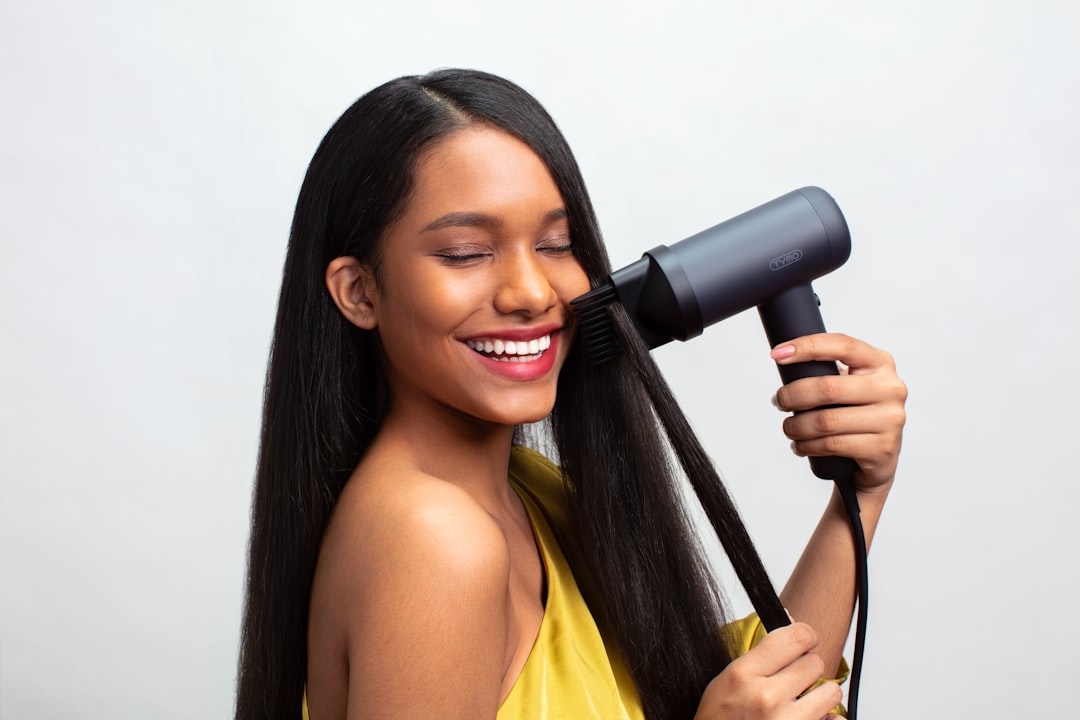
Blow-drying thin hair creates volume through two mechanisms: heat opens the cuticle (allowing products to provide texture and hold), and upward airflow creates lift at the roots. The process requires technique rather than products—incorrectly blow-dried thin hair looks flatter than unstyled hair.
Start with damp (not soaking wet) hair. Apply a lightweight volumising mousse (Batiste Volumising Mousse, £4 to £6, or SheaMoisture Coconut & Hibiscus Curl Enhancing Smoothie, £7 to £9—yes, despite the name, this works for thin straight hair when applied sparingly). Use a blow dryer with a concentrator nozzle, directing airflow from roots toward ends. Crucially, work against your normal hair direction initially—if your hair falls straight down, blow-dry it upward and back, then smooth it into place as it cools.
This technique creates approximately 30% apparent volume increase, visible immediately. The effect lasts 12 to 16 hours, then requires refreshing with dry shampoo (see below).
Root Lifting with Velcro Rollers
Velcro rollers (£3 to £8 per set) create lasting volume by setting hair in a lifted position whilst it dries. For thin hair, use medium rollers (approximately 40mm diameter). Wind hair onto each roller whilst still damp from blow-drying, then allow hair to cool completely on the rollers (20 to 30 minutes). Cooling sets the lifted position permanently, creating volume that holds through the day.
This method works exceptionally well for thin hair because it creates texture and holds the lifted position without requiring product weight. Thin hair can’t support heavy products without looking flattened, but velcro rollers create volume with zero additional product weight.
Regional Considerations in the UK
Water hardness varies significantly across the UK, affecting how thin hair looks. Hard water areas (South and Midlands) deposit mineral buildup on thin hair, making it look duller and flatter. If you live in a hard water area (London, Birmingham, Manchester regions), weekly chelating shampoo (Malibu C, £6 to £8) removes mineral buildup, instantly restoring volume and shine to thin hair. Soft water areas (Scotland, Wales, Southwest) don’t experience this problem, so chelating isn’t necessary—regular shampoo suffices.
Humidity varies seasonally across UK regions. Coastal and western areas (Cornwall, Wales, Northern Ireland) experience higher humidity year-round, which makes thin hair look flatter as moisture weighs it down. In these regions, stronger hold products (gels or hairsprays) become more necessary for volume maintenance. Inland and eastern areas experience lower humidity, making volume maintenance easier without additional products.
Product Strategy for Thin Hair Volume
Volumising Without Weighing Down
The paradox of thin hair products: heavier formulas that traditionally add volume (oils, heavy conditioners, serums) actually flatten thin hair rather than volumising it. Thin hair needs lightweight products that provide texture without weight.
Use volumising mousse instead of heavy conditioner (mousse costs £4 to £7, lasts 2 to 3 months, versus conditioner £5 to £10). Apply mousse only to the mid-lengths and ends, avoiding roots, which ensures roots stay light and lifted. Dry shampoo (Batiste, £2 to £3) applied at the roots refreshes volume day-to-day without additional washing.
Lightweight hairspray (not maximum hold, which creates crunchiness) provides hold without weight. L’Oréal Elnett (£5 to £7) is specifically formulated for fine/thin hair and holds volume without stiffness or flaking. Apply in two light passes rather than one heavy application.
Textured Products for Appearance of Density
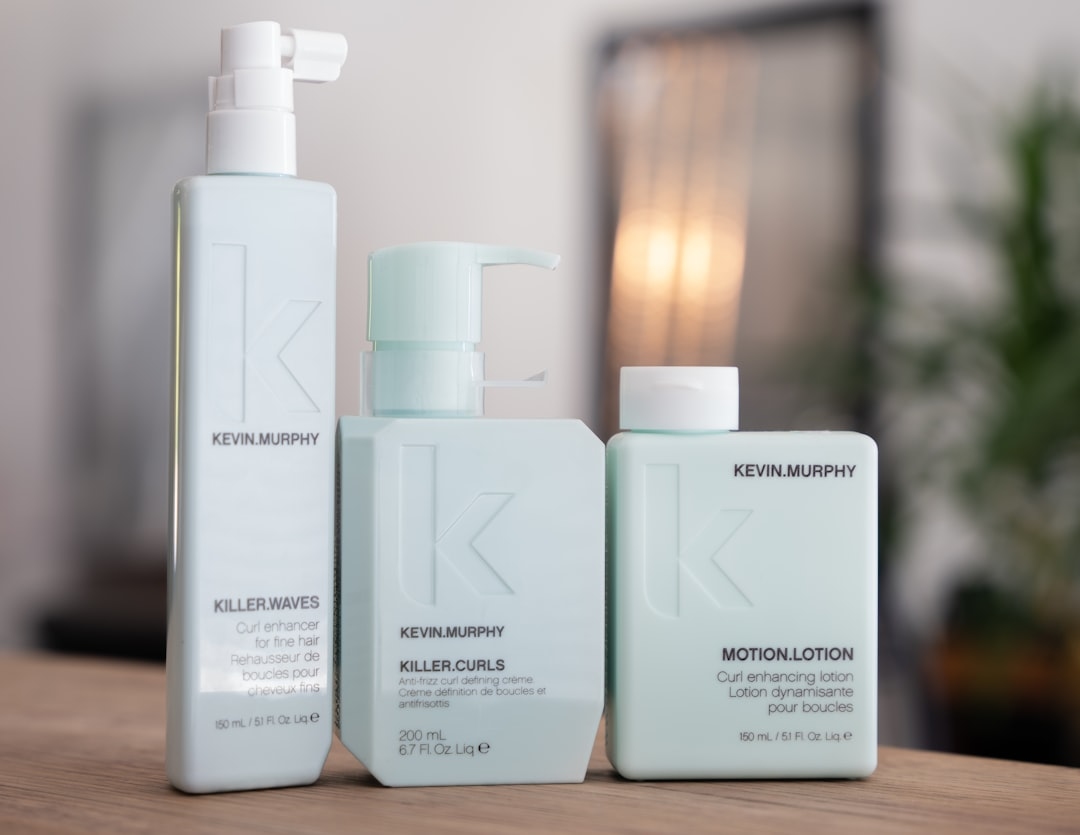
Texture spray (Bumble and bumble Texture Spray, £24, or Batiste Texture Spray, £5) adds grip and texture to thin hair, making individual strands appear thicker and more defined. The spray doesn’t actually thicken hair, but creates micro-texture that catches light differently, producing the visual illusion of thickness. Apply sparingly (3 to 4 spritzes) to roots and mid-lengths, then scrunch with your hands to distribute.
Texturising sprays work particularly well for thin wavy or curly hair, where texture is already present naturally. For thin straight hair, combine with mousse and blow-drying for maximum textured appearance.
Haircut Strategy for Thin Hair
Length dramatically affects thin hair appearance. Hair longer than shoulder-length pulls down under its own weight, flattening the style. Shorter cuts (chin-length or above) eliminate weight, allowing natural volume to show. A layered cut with shorter layers on top and longer underneath creates dimension and apparent thickness—the shorter top layers create a fuller silhouette, whilst longer underneath provides length without weight.
Blunt ends make thin hair look slightly thicker than feathered, tapered ends. Ask your stylist for blunt layers (not the choppy, overdone texturised layers that can look sparse in thin hair). A quality cut costs £30 to £60 in most UK salons but lasts 8 to 10 weeks, making it excellent value for the volume transformation it creates.
A Reader’s Story: From Flat to Full
Jessica, 34, from Liverpool, had always had thin hair but accepted it as unchangeable until 2024 when she noticed increased thinning after a stressful year. She initially considered hair extensions but decided to try natural volume techniques instead. Over six months, she: changed her diet to include more iron-rich foods (costs her approximately £3 more weekly), took biotin supplements (£7 monthly), switched to a shorter, layered cut, and mastered blow-drying with mousse and velcro rollers. “By month six, my hair genuinely looked noticeably thicker,” she reported in early 2026. “I haven’t had extensions, I haven’t spent hundreds on treatments, but the combination of better nutrition, better styling, and a smarter cut transformed what I look like. People ask if I’ve done something different with my hair—they don’t realise it’s actually thicker.”
Natural Thickening Masks and Treatments
DIY Mask Recipes
Egg masks strengthen thin hair and create temporary thickness. Mix one egg with one tablespoon olive oil and apply to damp hair for 15 to 20 minutes. Eggs provide protein (strengthening thin strands) and oil provides moisture without the weight of silicone serums. Cost: negligible (one egg, approximately 15p).
Avocado masks provide biotin and other nutrients. Mash half an avocado, add one tablespoon coconut oil, apply to damp hair for 15 to 20 minutes. This costs approximately 40p and provides deep conditioning without silicone weight.
Sustainable and Eco-Friendly Options
DIY treatments use ingredients from your kitchen, eliminating plastic packaging from beauty products. An egg or avocado mask weekly costs approximately 15p to 40p versus commercial deep treatments at £8 to £15. Over a year, DIY treatments cost approximately £8 to £20 versus £100 to £200 for commercial products. The environmental impact is also significant: zero plastic packaging, zero chemical processing, zero shipping waste.
For commercial products with environmental considerations, select brands using recyclable or refillable packaging (Unwrapped Life, Package Free Shop, or larger brands offering refill programmes). These cost slightly more upfront but deliver equivalent results with minimal environmental impact.
Lifestyle Factors Affecting Hair Thickness
Stress directly impacts hair thickness through cortisol elevation, which triggers the telogen phase (shedding phase) in hair follicles. High stress over weeks or months results in noticeable thinning within 6 to 12 weeks. Addressing stress through meditation (10 minutes daily, free), exercise (150 minutes weekly, free or £5 to £10 gym cost), or adequate sleep (7 to 9 hours nightly) directly improves hair thickness as a secondary benefit.
Sleep particularly matters: during sleep, your body repairs and regenerates hair follicles. Chronic sleep deprivation (less than 6 hours nightly) reduces hair thickness measurably within 4 to 8 weeks. Improving sleep quality (consistent bedtime, cool dark room, no screens one hour before bed) costs nothing and improves hair thickness within 6 to 8 weeks.
FAQ: Adding Volume to Thin Hair Naturally
How long does it take to see volume improvement?
Styling techniques (blow-dry, mousses, velcro rollers) show immediate improvement—literally within the hour of application. Nutritional improvements take 8 to 12 weeks to manifest, as new hair incorporating nutrients requires this timeframe to grow. Combined approach (immediate styling plus nutritional changes) delivers dramatic improvement within 12 weeks.
Will these methods work if my thinness is genetic?
Yes, absolutely. Genetic thinness means your natural hair diameter is smaller, but styling and nutrition still create dramatic visual improvement. You may never achieve thick hair genetically, but you can achieve full, voluminous hair through techniques even with genetic thinness.
Can I add volume without blow-drying?
Yes. Velcro rollers with mousse create lasting volume without heat styling. Additionally, haircut and textured products add apparent volume without any tool use. Blow-drying simply accelerates the process and creates tighter, longer-lasting volume.
Is there a minimum product cost for adding thin hair volume?
Zero. Velcro rollers (£4 to £8, lasting years), mousse (£4 to £6, lasting 2 to 3 months), and regular shampoo plus DIY masks (negligible cost) create dramatic improvement for approximately £10 to £15 monthly. Most people already own these items or their equivalents.
Should I cut my thin hair short?
Shorter cuts (chin-length or above) create easier volume management, but shoulder-length is acceptable with proper styling. Longer than shoulder-length becomes challenging as length weight flattens thin hair. Choose based on aesthetic preference, not requirement—technique can overcome length limitations.
How to add volume to thin hair naturally is entirely achievable through combined styling, nutrition, and lifestyle changes. Begin with a smarter haircut (short, layered, blunt ends), master blow-drying with mousse and velcro rollers, and address nutrition through iron, biotin, and protein-rich foods. Within 12 weeks, you’ll notice measurable thickness improvement. These changes compound over months and years: better nutrition creates stronger hair (less breakage), improved styling creates confidence in your appearance, and lifestyle changes improve overall health affecting hair as a secondary benefit. Thin hair is manageable—you’ve simply been working against your hair’s characteristics rather than with them.


+ There are no comments
Add yours