




Contents:
- Why Standard Heat Doesn’t Work on Synthetic Hair
- Can You Use Heat on Synthetic Hair: The Short Answer
- Heat-Resistant Synthetic Hair: What’s Different
- Safe Temperature Guidelines for Heat-Resistant Products
- Regional Differences in Synthetic Hair Standards
- Common Confusion: Synthetic vs. Human Hair Blends
- Practical Styling Alternatives for Synthetic Hair
- Wet Setting Methods
- Styling Products
- Acceptance and Strategic Trimming
- What the Pros Know
- FAQ: Heat and Synthetic Hair
- Can I use a blow dryer on synthetic hair?
- What happens if I straighten synthetic hair?
- Is heat-resistant synthetic hair worth the extra cost?
- Can I curl or straighten synthetic hair with tools other than heat?
- Why is my synthetic wig so frizzy?
- Making the Right Choice
Synthetic hair doesn’t behave like human hair, and applying a straightener or curling iron to it will melt it. Not damage it—melt it. This is the harsh truth many people discover after their first catastrophic styling attempt.
Most synthetic fibres cannot tolerate the temperatures used in standard heat styling. A typical hair straightener reaches 150-200°C, whilst synthetic strands begin to soften around 80-120°C depending on the type. Understanding which products accept heat and how to style them safely is essential before you invest in a synthetic hairpiece or extension.
Why Standard Heat Doesn’t Work on Synthetic Hair
Synthetic hair is manufactured from plastic polymers—usually acrylic, modacrylic, or polyester. These materials have entirely different melting points compared to keratin, the protein that forms natural human hair. When you expose synthetic fibres to temperatures above their threshold, the polymer chains break down and fuse together permanently.
The fibre structure itself is also uniform. Natural hair has a cuticle layer that can somewhat withstand heat, but synthetic fibres lack this protective barrier. They’re designed to hold a curl or wave pattern from manufacturing, not to be reshaped repeatedly with tools.
Attempting to straighten or curl synthetic hair with traditional hot tools results in a melted, sticky, unusable mess. There’s no repair possible once this happens.
Can You Use Heat on Synthetic Hair: The Short Answer
Most synthetic hair cannot tolerate standard heat styling at all. However, heat-resistant synthetic fibres do exist, and they accept specific temperatures under controlled conditions. These premium versions are designed to withstand limited heat exposure up to around 150°C, though results are unpredictable and the fibres degrade faster than untreated synthetic hair.
Standard synthetic hairpieces, wigs, and clip-in extensions should never be styled with heat tools. The cost of replacement (typically £25-£80 depending on the piece) far exceeds the risk of attempting heat styling.
Heat-Resistant Synthetic Hair: What’s Different
Heat-resistant synthetic fibres are treated during manufacturing to tolerate moderate temperatures. They’re often labeled as “heat-friendly” or “high-temperature synthetic” and cost 30-50% more than standard alternatives. A heat-resistant synthetic wig might cost £50-£120, whereas a standard one runs £30-£60.
Even with these products, results are inconsistent. Heat-resistant synthetics hold styles differently than human hair. The curl or wave will remain to some degree, but you won’t achieve the natural-looking movement of real hair or the precision of styling actual strands.
The fibres are more prone to frizzing after heat exposure and may lose their original shape over time. Most manufacturers recommend avoiding heat altogether, even with heat-resistant products, treating it as a last-resort option rather than a regular styling method.
Safe Temperature Guidelines for Heat-Resistant Products
If you own a heat-resistant synthetic piece and decide to style it cautiously, follow these limits strictly:
- Hairdryer on cool or low heat setting only
- Curling or straightening tools set to 120°C maximum
- Brief exposure—no more than 5-10 seconds per section
- Always use a heat protectant spray beforehand
- Allow the piece to cool completely before touching it
Even at these modest temperatures, degradation is happening. The more frequently you apply heat, the faster the fibres will lose their shine, develop frizz, and fail to hold shape.
Regional Differences in Synthetic Hair Standards
In the United States, particularly on the West Coast, heat-resistant synthetic has become more mainstream in commercial wigs due to demand from stylists offering wig customization services. The UK market has been slower to adopt these products, and they remain niche items. In the South, traditional synthetic without heat resistance remains the standard, with styling expectations adjusted accordingly. European markets treat heat-resistant synthetics as premium specialty items, reflecting their higher cost and limited durability benefits.
Common Confusion: Synthetic vs. Human Hair Blends
A frequently misunderstood product category is synthetic-human hair blends. These contain a percentage of real human hair mixed with synthetic fibres, typically marketed as a compromise option. Don’t be fooled—the synthetic component still cannot tolerate heat. Even if the blend contains 30% human hair, the synthetic portion will melt at standard heat temperatures, ruining the entire piece. Blends are designed for different styling versatility than pure human hair, but heat tolerance is not one of the advantages they offer.
Practical Styling Alternatives for Synthetic Hair
Synthetic hair comes pre-set in waves, curls, or straight styles from manufacturing. The original style is permanent and returns after washing. You can work with this pattern rather than against it.
Wet Setting Methods
Pin curls, velcro rollers, or traditional rag setting techniques work on any synthetic hair without risk. Wet the piece thoroughly, roll or pin it into your desired style, then allow it to air dry completely. The synthetic fibres will hold the new shape. Results are temporary—the original set returns after the next wash—but this approach costs nothing and causes no damage.
Styling Products
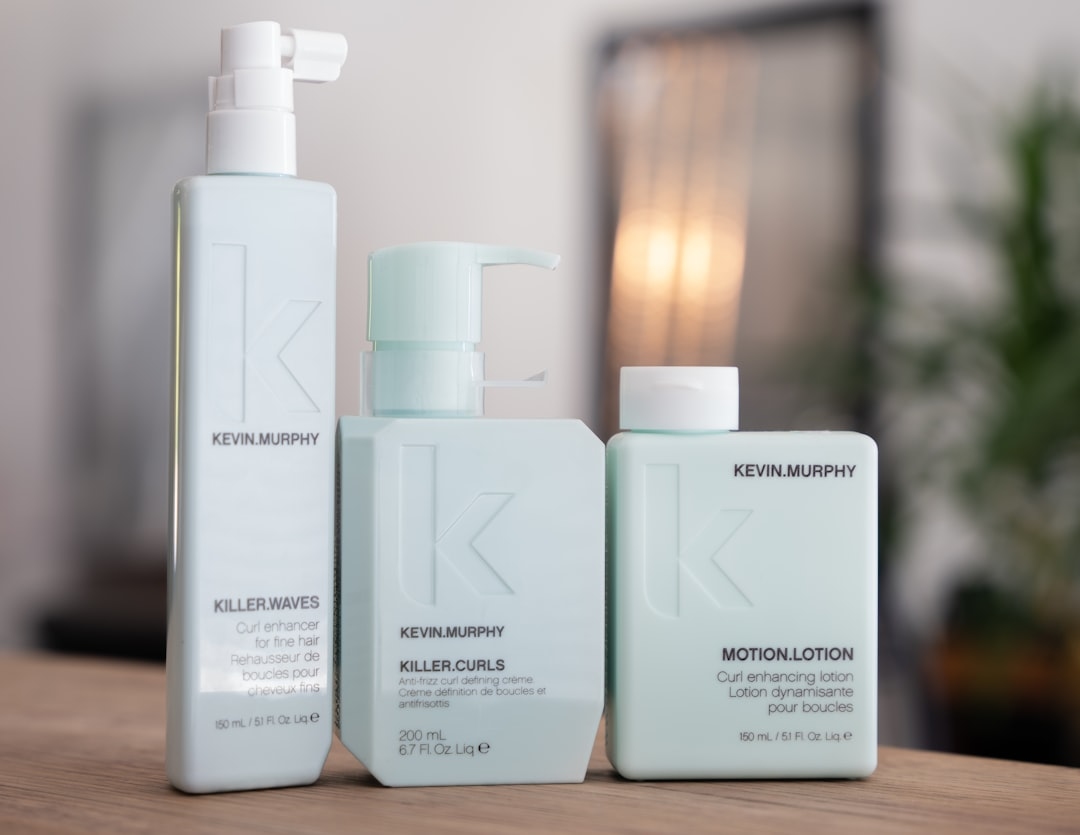
Mousse, gel, and light hairspray designed for synthetic hair can enhance natural texture and hold styles created through wet setting. These products won’t reshape the fibres but can define and manage the existing waves or curls. Expect to pay £5-£12 for a synthetic-specific styling product.
Acceptance and Strategic Trimming
The simplest approach: accept the original style and style around it. Pair a wavy synthetic piece with accessories, updos, or blending techniques. If the piece has become damaged or worn, have it professionally trimmed by a stylist experienced with synthetics. A trim (typically £20-£35) restores shape far better than heat styling ever could.
What the Pros Know
Professional wig stylists universally avoid heat on standard synthetic hair. For clients requesting style changes, they recommend either upgrading to human hair (which accepts heat readily), accepting the piece’s existing style, or using wet-setting methods repeatedly. Stylists who offer heat styling services typically charge a premium (£40-£80 per session) and explicitly use only heat-resistant products, which still results in degraded fibres after a few treatments. Even professionals won’t guarantee results or durability.
FAQ: Heat and Synthetic Hair
Can I use a blow dryer on synthetic hair?
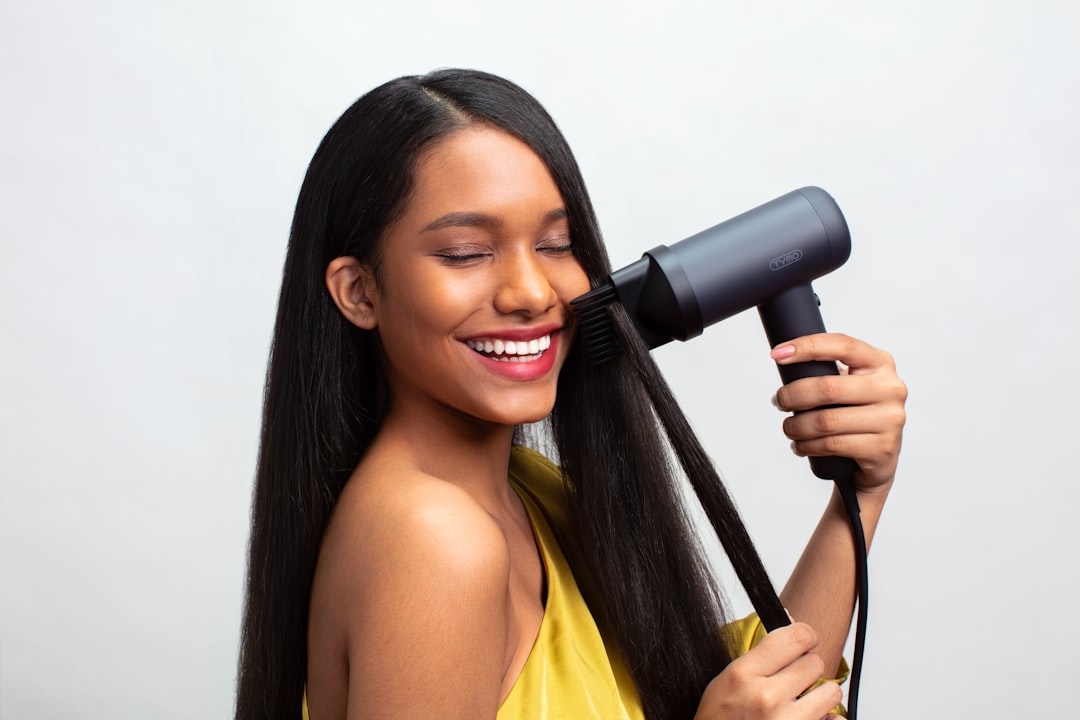
Low or cool heat from a blow dryer is safer than styling tools, but still causes gradual fibre damage. Air-drying is preferable. If you must use a blow dryer, keep it on the coolest setting and maintain distance.
What happens if I straighten synthetic hair?
The fibres will melt, fuse together, and become permanently damaged. The piece becomes unusable. There is no way to repair melted synthetic hair.
Is heat-resistant synthetic hair worth the extra cost?
Only if you need limited styling flexibility and understand that durability decreases with each heat exposure. For most people, standard synthetic with wet-setting methods or switching to human hair offers better long-term value.
Can I curl or straighten synthetic hair with tools other than heat?
Yes. Wet setting with rollers, pins, or braiding works reliably on all synthetic hair types. Results last until the next wash, when the original set returns.
Why is my synthetic wig so frizzy?
Frizz develops from friction, moisture exposure, and wear. It is not caused by heat alone but is accelerated by heat damage. Proper storage in a cool, dry place and regular care prevent frizz buildup better than heat styling ever could.
Making the Right Choice
Before purchasing synthetic hair, decide what you need. If you want versatile everyday styling options and the ability to reshape hair regularly, synthetic isn’t the right choice—real human hair is. If you want a low-maintenance, pre-styled piece that stays consistent, standard synthetic with wet setting offers reliable results at half the cost of human hair alternatives.
Heat styling simply isn’t part of synthetic hair care, regardless of type. The sooner you accept this limitation, the longer your pieces will last and the fewer times you’ll be disappointed by unexpected damage. Work within the material’s strengths—durability, consistency, affordability—rather than forcing it to behave like something it’s not.

+ There are no comments
Add yours