



Contents:
- Why Does Hair Get Greasy?
- The Science Behind Sebum Production
- Immediate Solutions: Methods That Work Right Now
- Dry Shampoo Application
- Powder-Based Solutions
- Texturising Spray
- Styling Solutions for Greasy Hair
- Strategic Hairstyling
- Headbands and Accessories
- Common Mistakes to Avoid
- Mistake 1: Touching Your Hair Constantly
- Mistake 2: Using Too Much Product
- Mistake 3: Not Waiting Between Applications
- Long-Term Solutions: Retraining Your Hair
- Extending Time Between Washes
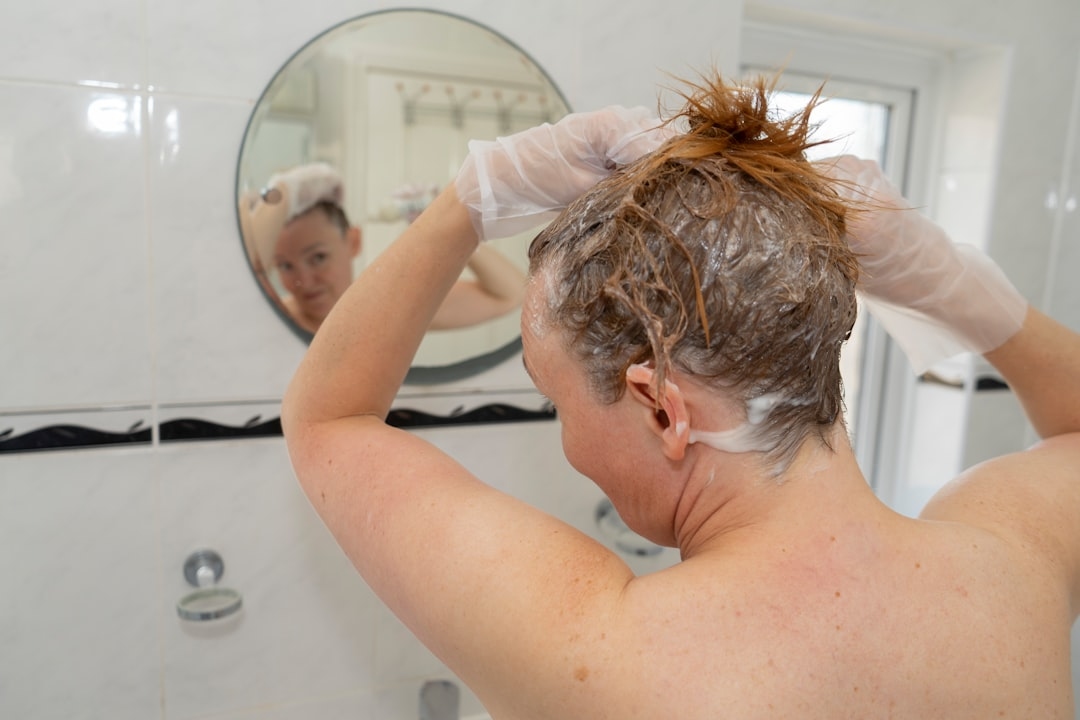
- Washing Technique Adjustments
- Product Selection for Greasy Hair
- Shampoos Formulated for Oily Hair
- Lightweight Conditioners
- Dietary and Lifestyle Factors
- Nutrition’s Role in Sebum Production
- Stress Management
- Frequently Asked Questions
- How long does dry shampoo actually work?
- Can I use regular powder instead of dry shampoo?
- How long does scalp retraining take?
- Should I avoid conditioning if my hair is greasy?
- Does brushing greasy hair make it greasier?
- Your Greasy Hair Action Plan
Your hair looked perfect this morning. By midday, it’s limp, flat, and visibly oily. Washing means spending 30 minutes on styling you can’t afford right now. You need solutions that work within the next 15 minutes, not tomorrow after a shower.
Greasy hair develops when sebaceous glands overproduce sebum—the natural oil protecting your scalp and strands. Over-washing paradoxically worsens greasiness because your scalp compensates for stripped oils by producing even more. Breaking this cycle requires extending time between washes whilst managing visible oil in the interim.
Why Does Hair Get Greasy?
The Science Behind Sebum Production
Your scalp contains approximately 100,000 hair follicles, each with sebaceous glands producing sebum continuously. In healthy quantities, sebum protects your hair and scalp, maintaining pH balance and preventing moisture loss. However, several factors trigger excessive production:
- Frequent washing (signals to your scalp that oil is being stripped, triggering overcompensation)
- Hormonal fluctuations (particularly during puberty, menstruation, and pregnancy)
- Heat styling without protective products
- High-stress environments (stress hormones stimulate sebum production)
- Genetics (oily hair often runs in families)
- Diet high in sugar and refined carbohydrates
- Environmental humidity and pollution
Immediate Solutions: Methods That Work Right Now
Dry Shampoo Application
Dry shampoos absorb oil whilst adding texture and volume. Apply to your scalp and roots, focusing on the greasiest areas. Work product through with your fingers or a brush, then style as normal. Results appear within 60 seconds.
Popular UK options include:
- Batiste Dry Shampoo (£2–£4 per can): budget-friendly, effective for light to moderate greasiness. Results last 8–12 hours.
- Kérastase Fresh Affair Dry Shampoo (£16–£20): premium option with fragrance, lasts 12–18 hours.
- Oscar Blandi Pronto Dry Shampoo (£12–£15): excellent for darker hair (less visible residue than lighter shades).
- Bumble and bumble Thickening Full Form Mousse (£28): doubles as dry shampoo and volumiser.
Pro tip: apply dry shampoo the evening before you need it. Letting it sit overnight allows better oil absorption, making it more effective than morning application.
Powder-Based Solutions
Translucent powder, talc-free baby powder, or speciality hair powders work similarly to dry shampoo but cost significantly less. Dust a small amount through your hair, concentrating on the scalp and roots. Blend thoroughly with fingers to avoid white residue.
Cost comparison: talc-free baby powder (£2–£4 per container) provides 20+ applications, making per-use cost roughly £0.10. Dry shampoo typically costs £0.30–£0.60 per use. If budget drives your choices, powder is unbeatable.
Texturising Spray
Texturising sprays absorb oil whilst adding grip, making hair easier to style. Unlike dry shampoo, they don’t leave visible white residue. Apply to damp hair, scrunch, and blow-dry for added volume and oil control. Costs £4–£12 per bottle with 15–20 applications per container.
Styling Solutions for Greasy Hair
Strategic Hairstyling
Certain styles disguise greasiness better than others. Work with your greasy hair texture rather than against it:
- Slicked-back styles: High ponytails, buns, or sleek braid styles embrace oil, creating intentionally polished looks. This approach turns a problem into a styling feature.
- Textured waves: Apply texturising spray to damp roots and mid-lengths, then scrunch and air-dry. Waves disguise greasiness through volume distribution.
- Updos: French twists, low buns, and plaits keep greasy hair off your face and neck, preventing visible oil concentration in specific areas.
- Side-swept styles: Sweep hair away from your face, focusing volume on the opposite side. This visually lightens the greasiest area (scalp/roots).
Headbands and Accessories
A well-placed headband, silk scarf (£3–£8), or claw clip (£2–£5) instantly refreshes greasy-hair appearance. These accessories serve dual purposes: masking greasiness and adding interest to your style.
Common Mistakes to Avoid
Mistake 1: Touching Your Hair Constantly
Every time you touch your hair, you transfer oils from your fingers to your strands, spreading greasiness. Hands naturally pick up sebum from your scalp, and constant touching redistributes these oils throughout your length. Resist touching your hair after applying dry shampoo.
Mistake 2: Using Too Much Product
Excessive dry shampoo leaves white residue and actually makes hair heavier. Use sparingly—a golf-ball-sized amount distributed through your scalp covers most head sizes. More isn’t better.
Mistake 3: Not Waiting Between Applications
If dry shampoo applied this morning didn’t work sufficiently, resist applying more immediately. Give it 2–3 hours to absorb fully before reapplying. Layering product on top of product creates buildup without additional benefit.
Long-Term Solutions: Retraining Your Hair
Extending Time Between Washes
The most effective long-term solution involves retraining your scalp to produce less sebum. This requires extending time between washes gradually:
- Week 1–2: Wash every other day instead of daily. Use dry shampoo on non-wash days.
- Week 3–4: Wash twice weekly, using dry shampoo on remaining days.
- Week 5–6: Wash once or twice weekly depending on greasiness level.
- Week 7+: Most people find equilibrium at 1–2 washes weekly once their scalp adjusts.
This process takes 6–8 weeks. Your hair will look greasy during the adjustment period—this is normal and temporary. Persisting through the adjustment phase resets your scalp’s sebum production to healthier levels.
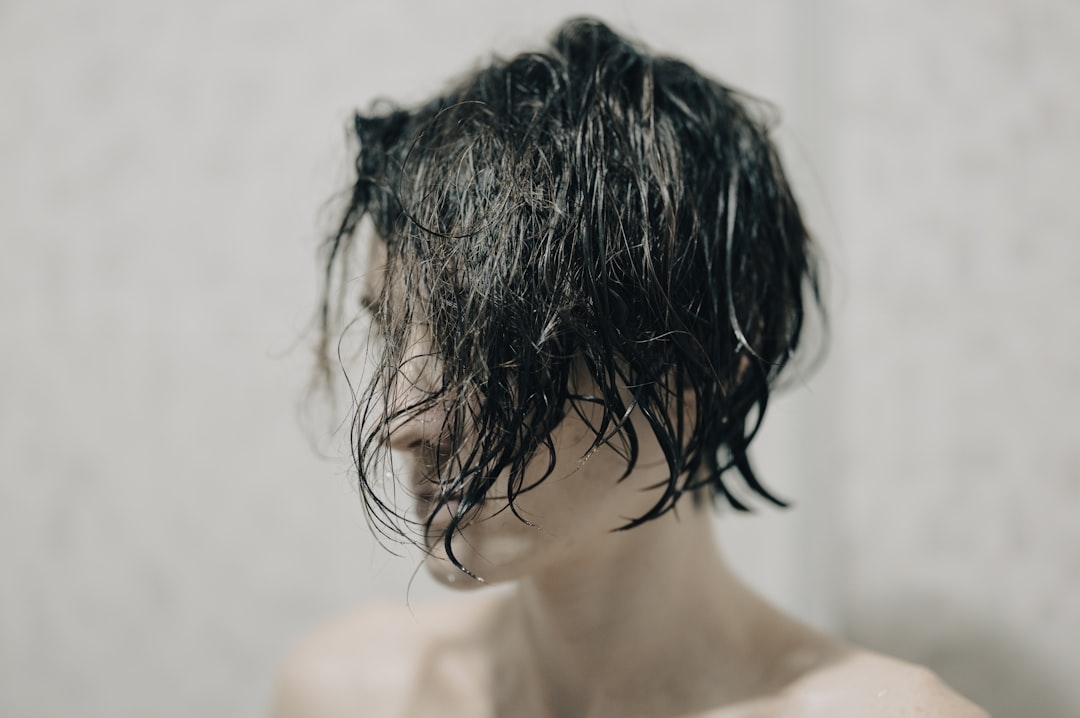
Washing Technique Adjustments
How you wash matters as much as how often. Adjust your technique to minimise sebum stimulation:
- Use lukewarm or cool water (hot water opens pores and increases sebum secretion)
- Apply shampoo only to roots and scalp, not the full length
- Massage gently for 30–45 seconds
- Rinse thoroughly with cool water
- Apply conditioner only to ends, avoiding scalp and mid-lengths entirely
This technique reduces stimulation of sebaceous glands while still cleaning effectively.
Product Selection for Greasy Hair
Shampoos Formulated for Oily Hair
Choose shampoos specifically formulated for oily scalps. These products contain:
- Salicylic acid (gently exfoliates scalp)
- Tea tree oil (antibacterial and sebum-regulating)
- Charcoal (absorbs excess oil)
- Zinc pyrithione (reduces sebum production)
Popular options in the UK:
- Nizoral A-D Shampoo (£7–£10): contains ketoconazole, reduces sebum effectively
- Umberto Giannini Curl Jelly (£3–£5): lightweight, suitable for oily scalps
- Cantu Apple Cider Vinegar Shampoo (£4–£7): natural option with regulating properties
Lightweight Conditioners
Greasy-hair prone individuals need minimal conditioning. Use lightweight, water-based formulas applied only to ends. Avoid heavy silicone-based conditioners that weigh hair down.
Dietary and Lifestyle Factors
Nutrition’s Role in Sebum Production
Diet influences sebum production. Excess sugar and refined carbohydrates trigger insulin spikes, which stimulate androgens (hormones promoting sebum production). Reducing refined carbohydrates and increasing whole grains, vegetables, and healthy fats can reduce greasiness:
- Swap white bread for wholegrain
- Replace sugary drinks with water
- Increase omega-3 fatty acids (salmon, flaxseeds, walnuts)
- Incorporate zinc-rich foods (pumpkin seeds, chickpeas)
Results typically appear within 4–6 weeks of dietary adjustment.
Stress Management
Stress hormones directly stimulate sebum production. Regular exercise, meditation, or relaxation practices reduce stress-related greasiness. Even 20 minutes of daily activity demonstrably improves scalp health within 3–4 weeks.
Frequently Asked Questions
How long does dry shampoo actually work?
Most dry shampoos effectively absorb oil for 8–16 hours depending on product quality and initial greasiness level. Budget options like Batiste last 8–12 hours. Premium formulas extend to 16–18 hours. Application timing matters—apply evening before for maximum overnight absorption.
Can I use regular powder instead of dry shampoo?
Yes. Talc-free baby powder or loose translucent powder works similarly to dry shampoo but costs significantly less (£0.10 per use versus £0.40 for dry shampoo). The main drawback is consistency—powder isn’t fragrant and works better on lighter hair types.
How long does scalp retraining take?
Most people notice improvement within 4–6 weeks of extending washing intervals. Full scalp adjustment requires 8–12 weeks. Your hair will appear greasy during this period—this is temporary and necessary for the process to work.
Should I avoid conditioning if my hair is greasy?
Condition only your ends if your scalp is greasy. Lightweight, water-based conditioners applied to lengths and ends provide necessary moisture without stimulating sebum production. Skip scalp conditioning entirely.
Does brushing greasy hair make it greasier?
Brushing distributes natural oils from root to tip, which can make greasy hair appear worse. However, gentle brushing improves circulation and can actually help regulate sebum production long-term. Use a soft-bristled brush and avoid aggressive brushing of the scalp.
Your Greasy Hair Action Plan
Immediate management of greasy hair involves dry shampoo, styling strategies, and accessories that mask oil until your next wash. Long-term improvement requires extending washing intervals, adjusting your washing technique, and supporting your scalp’s health through appropriate products, nutrition, and stress management. Begin with immediate fixes this week—apply dry shampoo tonight and observe how effectively it works. Next week, start extending your washing interval by one day. Within 6–8 weeks of consistent effort, your scalp will produce less sebum naturally, reducing your dependence on temporary fixes. The investment of patience during the adjustment period pays dividends through years of less greasy hair and reduced product spending.

+ There are no comments
Add yours