









Contents:
- The Foundation: What Exactly Is Remy Human Hair?
- How Remy Human Hair Differs from Non-Remy Options
- The Chemical Processing Question
- Regional Sourcing and Quality Variations
- Common Mistakes to Avoid When Purchasing Remy Hair
- Practical Tips for Working with Remy Hair
- Installation and Initial Care
- Washing Protocol
- Styling and Heat
- Storage Between Wears
- Understanding the Investment: Price, Longevity, and Value
- Frequently Asked Questions
- Can you bleach or dye Remy human hair?
- How long does Remy human hair actually last?
- Is all Remy hair the same quality?
- Can you tell if hair is truly Remy just by looking?
- What’s the difference between Remy and virgin hair?
- Making Your Decision: Is Remy Right for You?
Have you ever wondered why some hair extensions transform your look while others leave you feeling disappointed? The answer often lies in understanding a single quality distinction that separates premium hair from the rest: the preservation of the hair cuticle.
The Foundation: What Exactly Is Remy Human Hair?
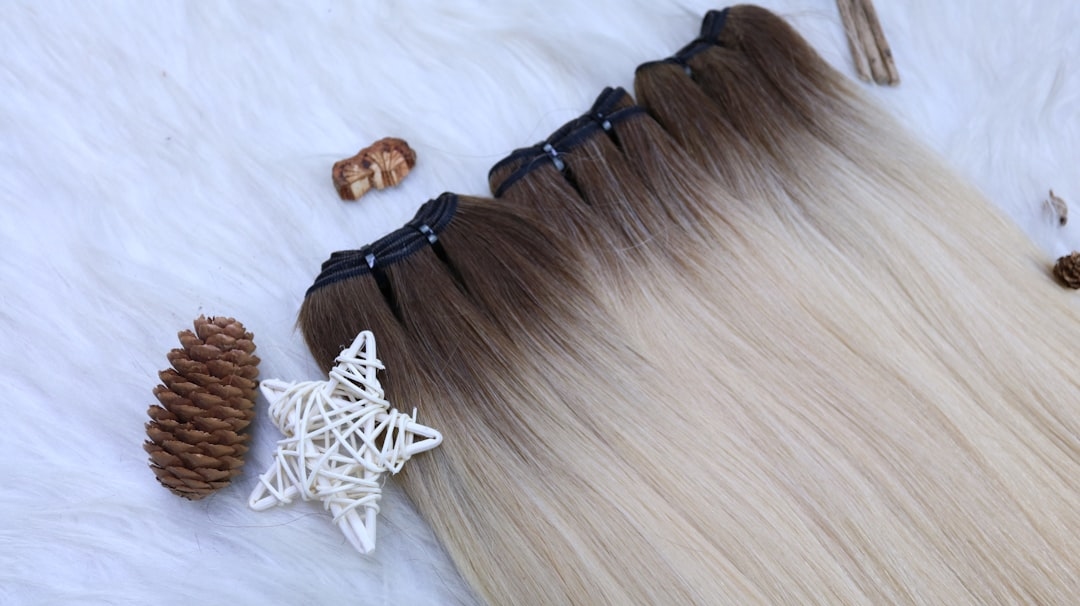
Remy human hair is a classification of hair extensions and wigs made from real human hair where the cuticles—the outer protective layer—remain intact and aligned in their natural direction. This seemingly technical detail makes an enormous difference. When all the cuticles point downward from root to tip (just as they do on your head), the hair behaves like your natural hair: it flows smoothly, resists tangling, and reflects light beautifully.
Think of cuticles like roof shingles. On your head, they naturally overlap one direction. When they’re misaligned—pointing every which way—friction builds up between strands, leading to frizz, matting, and dullness. Remy human hair maintains that natural alignment, which is why it’s considered the gold standard in the industry.
The term “Remy” itself refers to a collection method rather than a geographic origin. Ethical sourcing is integral to the process: hair is collected directly from donors, kept in its natural direction from collection through processing, and never mixed with hair that has been chemically treated or comes from questionable sources.
How Remy Human Hair Differs from Non-Remy Options
The hair extension market offers several categories, and understanding these distinctions helps explain why Remy commands a premium price. Non-Remy human hair, sometimes called mixed hair, comes from various sources—often collected from donation bins, hairbrushes, and temple donations worldwide. Whilst still genuine human hair, this material is processed without regard to cuticle direction.
During manufacturing, non-Remy hair strands get jumbled together. To make them wearable, manufacturers apply heavy chemical coatings—silicones, waxes, and synthetic sealants—that temporarily smooth the surface. These coatings wash away quickly, leaving you with tangled, frizzy hair after just a few wears. You’ll typically get 2-4 months of usable life from non-Remy extensions at UK prices of £40-80 per bundle.
Remy human hair, by contrast, requires no such disguising. Because the cuticles are properly aligned, the hair is naturally smooth and manageable immediately after purchase. With proper care, you can expect 12-24 months of wear from a single bundle of Remy hair, making the typical £120-250 price point significantly more economical long-term.
Synthetic hair sits at the budget end of the spectrum, offering immediate colour and style options but lacking the natural movement and longevity of human hair entirely.
The Chemical Processing Question
One critical distinction: even Remy hair sometimes undergoes processing. Virgin Remy hair—never chemically treated—represents the absolute premium tier. Processed Remy hair (sometimes labelled as “virgin but dyed” or “colour-treated”) has been permed, coloured, or bleached but maintains its cuticle integrity. It’s still excellent quality, just with a slightly shorter lifespan. Unprocessed Virgin Remy is the choice for maximum durability and natural appearance.
Regional Sourcing and Quality Variations
Interestingly, quality Remy hair sourcing shows regional patterns. Indian Remy hair, sourced primarily from temple donations in South India, represents approximately 70% of the global Remy supply. This hair tends toward natural wavy textures and darker tones, making it ideal for people with deeper skin tones seeking realistic matches.
On the other hand, European sourcing (particularly from Eastern Europe) produces finer-textured hair with straighter natural patterns, better suited to lighter hair tones. Whilst less abundant, European Remy often commands higher prices—£200-400 per bundle—due to scarcity and the natural colour range.
Southeast Asian sources, particularly Cambodia and Vietnam, have increased in prominence since 2023. Hair from these regions typically falls between Indian and European profiles in terms of texture and colour, offering middle-ground versatility.
For UK buyers, understanding these regional differences helps you select extensions matched to your natural hair characteristics rather than settling for a generic “Remy” label without considering origin.
What the Pros Know
Professional stylists assess Remy hair quality using the “slip test”: running a single strand between thumb and forefinger downward should feel smooth, whilst running it upward should feel slightly resistant (due to cuticle direction). If both directions feel equally smooth, you’re likely looking at stripped cuticles or synthetic blending, not true Remy. Authentic Remy consistently shows this directional difference.
Common Mistakes to Avoid When Purchasing Remy Hair
Buyers often make these critical errors that lead to disappointment:
- Assuming all “human hair” is Remy. Always request explicit confirmation of cuticle alignment and sourcing method before purchasing.
- Ignoring density and weight specifications. Two bundles labelled identically can vary significantly. Clarify grams per bundle and compare across suppliers.
- Underestimating the care required. Remy hair is real hair and demands conditioning routines—it’s not maintenance-free like synthetics. Plan for weekly deep conditioning.
- Buying from unlicensed sellers. The counterfeit hair market is substantial. Purchase from established distributors with verifiable sourcing practices.
- Conflating price with quality. Premium pricing doesn’t guarantee authenticity. Research supplier reputation independently.
Practical Tips for Working with Remy Hair
Once you’ve acquired genuine Remy human hair, these practices maximize lifespan and appearance:
Installation and Initial Care
Remy hair begins its best life with proper installation. Ensure braids aren’t excessively tight—this prevents stress on the bonds or attachment points. Many professionals recommend leaving 1-2mm of space between scalp and braid foundation. Within the first week, resist the urge to wash; let your natural scalp oils distribute through the hair.
Washing Protocol

Use sulfate-free shampoo and lukewarm (not hot) water. Apply shampoo to roots and scalp, then let water run downward through the extension lengths—never scrub upward, as this disrupts cuticles. A single wash should take less than three minutes. Follow with intensive conditioner, particularly on mid-lengths and ends.
Styling and Heat
Remy hair tolerates heat styling beautifully, but protection matters. Use heat protectant spray before blow-drying. Straighteners and curling irons work well on Remy; just avoid temperatures above 180°C. Many wearers find they can refresh curls or waves throughout the week without additional heat, as Remy holds shape better than non-Remy alternatives.
Storage Between Wears
If wearing a Remy wig or loose extensions temporarily, store them brushed and straightened on a wig stand. This prevents unnecessary tangling during dormant periods. A light conditioning spray before storage extends wear life by several months.
Understanding the Investment: Price, Longevity, and Value
The cost difference between Remy and non-Remy hair becomes clear over 12 months. A non-Remy bundle at £60 worn for 3-4 months requires purchasing 3-4 bundles annually, totalling £180-240. A single Remy bundle at £150, lasting 18-24 months, represents approximately £75-100 annual cost. The premium upfront saves money long-term whilst delivering superior appearance throughout.
Additionally, Remy hair retains its quality throughout its lifespan. By month twelve, your extensions still blend seamlessly and feel soft. Non-Remy hair deteriorates visibly by month two, appearing dull and developing persistent tangles regardless of care.
Frequently Asked Questions
Can you bleach or dye Remy human hair?
Yes, absolutely. Remy hair accepts colour beautifully. However, if you’re purchasing unprocessed Virgin Remy, the original colour is often superior—most dyers recommend leaving it as-is. If you do colour Remy hair, use professional-grade dyes and always perform a strand test first. Bleaching requires caution; multiple sessions can eventually compromise cuticle integrity, reducing longevity.
How long does Remy human hair actually last?
With proper care, you can expect 12-24 months of wear. Some users report extending this to 3 years by limiting heat styling and maintaining rigorous conditioning routines. The ending depends on wear frequency, styling intensity, and climate humidity rather than the hair reaching a preset expiration date.
Is all Remy hair the same quality?
No. Remy is a standard describing cuticle alignment, not manufacturing consistency. Variations exist in strand thickness, natural colour depth, texture uniformity, and sourcing ethics. Always examine sample photos and request customer testimonials before large purchases.
Can you tell if hair is truly Remy just by looking?
Partially. Authentic Remy typically shows natural shine, smooth surface appearance, and flows without frizz. However, quality photographs and marketing can deceive. The most reliable verification is the slip test mentioned earlier—request sellers allow this before purchase, or buy from suppliers with established reputation and customer reviews.
What’s the difference between Remy and virgin hair?
Remy describes cuticle alignment; virgin describes processing history. Virgin Remy is unprocessed, with original natural colour and texture intact—the absolute premium option. Processed Remy has been chemically treated (coloured, bleached, or permed) but maintains cuticle alignment. Both are genuine Remy; virgin simply indicates additional purity.
Making Your Decision: Is Remy Right for You?
Remy human hair makes sense if you want extensions lasting longer than a few months, value natural appearance and movement, or plan to style your hair regularly with heat or updos. The higher initial cost pays dividends across 12-24 months of regular wear.
If you’re experimenting with a new colour or testing extensions for the first time, starting with a single bundle of quality Remy hair (around £150) lets you experience the difference without overwhelming expense. Most people who try genuine Remy never return to inferior alternatives—the quality improvement is simply too noticeable.
Your next step: research suppliers with transparent sourcing practices, request sample photos from verified customers, and don’t hesitate to ask detailed questions about bundle weight, origin, and processing history before purchasing. Quality Remy hair represents an investment in your appearance, and understanding exactly what you’re buying ensures you get the transformative results you’re after.


+ There are no comments
Add yours