





Contents:
- Understanding the Static Hair Problem
- Method 1: Increase Indoor Humidity Levels
- Method 2: Switch to Hydrating Hair Products
- Method 3: Choose the Right Brush and Styling Tools
- Method 4: Optimize Bedding and Sleep Environment
- Method 5: Adjust Your Styling Routine and Techniques
- Method 6: Adopt Sustainable, Eco-Conscious Alternatives
- Method 7: Manage Static Through Clothing and Accessories
- Comparison: Which Methods Work Best for Different Hair Types
- Quick Reference Effectiveness Chart
- How to Choose the Right Combination for Your Situation
- Implementing Your Anti-Static Routine: Week-by-Week Approach
- When to Seek Professional Help
- The Science Behind Static Prevention: How These Methods Work Together
- FAQ: Common Questions About Static Hair
- Does humidity really solve static hair?
- What’s the fastest way to eliminate static immediately?
- Can static permanently damage my hair?
- Are expensive anti-frizz products better than budget options?
- Why does my static problem get worse after I wash my hair?
- Final Recommendations: Moving Forward with Static-Free Hair
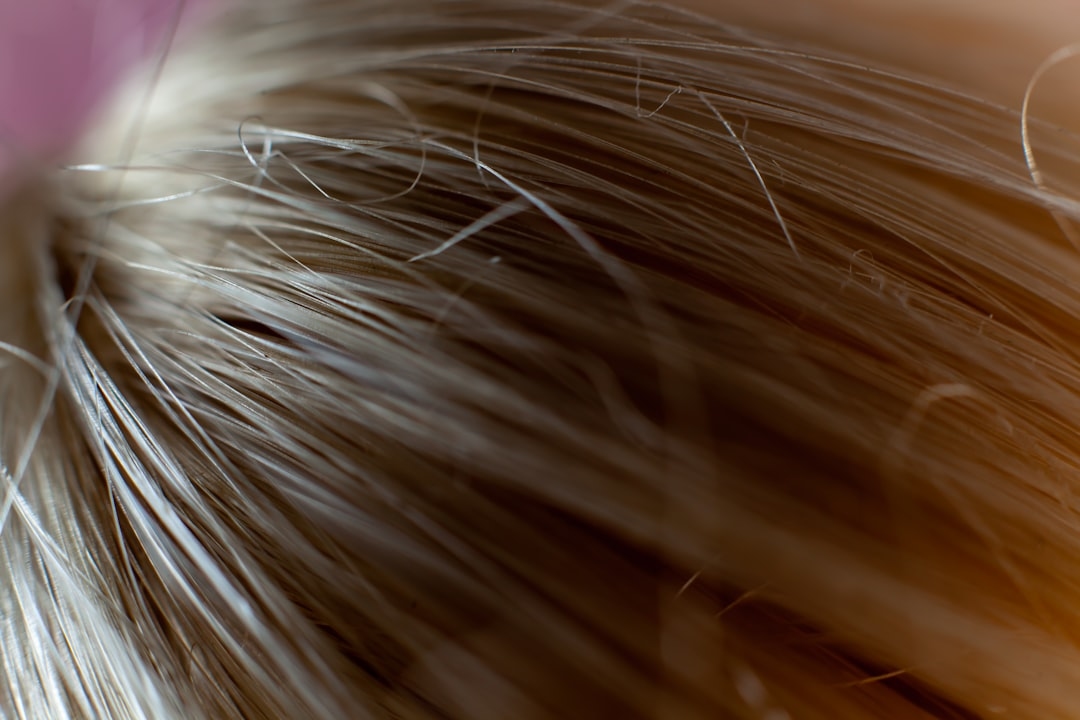
In the 1950s, when permanent waves and electric hair dryers first became household staples across Britain, salons discovered something unexpected: the rise of static electricity in freshly styled hair. Women complained about uncontrollable flyaways, and hairdressers had to innovate solutions on the spot. Vintage salon records show that some stylists would mist hair with water or wrap it in silk scarves—early tactics that foreshadowed the comprehensive strategies we use today. That historical problem remains one of the most common hair complaints in 2026, particularly during winter months when indoor heating drops humidity levels to as low as 20%, creating the perfect conditions for electrical charge buildup.
Understanding the Static Hair Problem
Static hair occurs when electrons transfer between hair strands, creating an electrical charge. Hair is composed of layers: the cuticle (outer protective layer), cortex (middle section), and medulla (core). The hair cuticle contains hydrogen bonds that interact with moisture. When humidity drops, these bonds lose water molecules, and the hair shaft becomes susceptible to static charge. The charging happens when hair rubs against other materials—pillowcases, clothing, or even itself—because different fabrics have different electrical properties. Cotton and synthetic fabrics like polyester have very different electron affinities, making friction between them particularly prone to static buildup. A study from the Journal of Cosmetic Dermatology found that static significantly increases during winter months in northern climates, but it’s less problematic in coastal regions where ocean spray maintains ambient humidity around 60-70%.
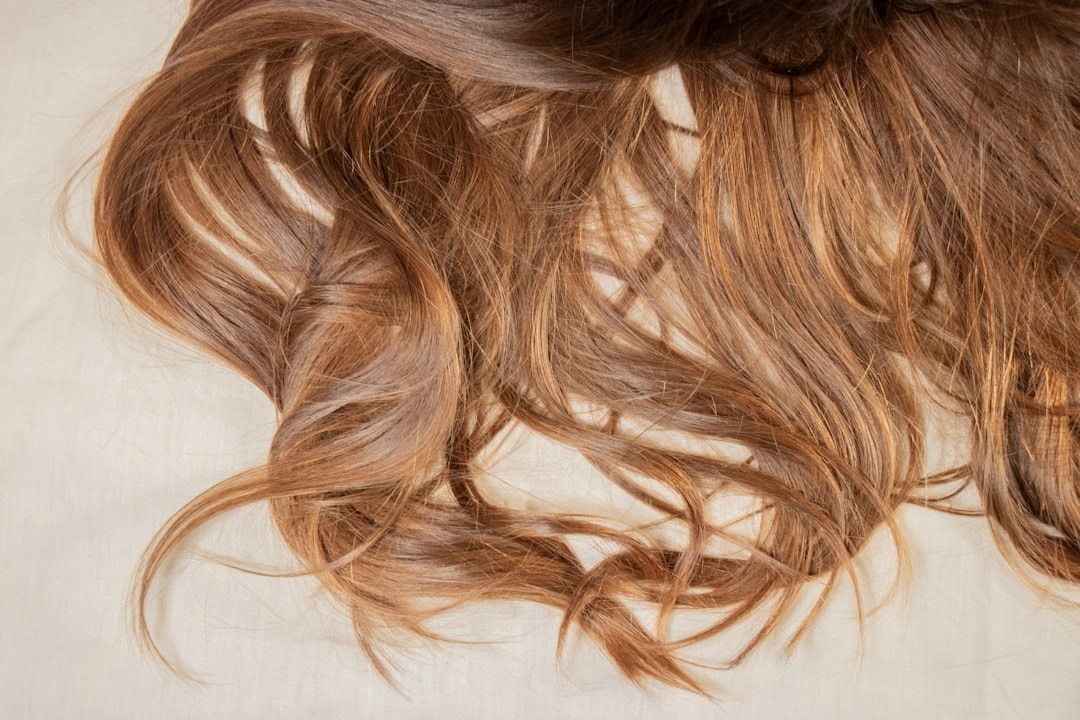
The problem intensifies with certain hair types. Fine, thin, or curly hair is more susceptible because it has less weight to hold down the cuticle layers. Damaged or porous hair—compromised by heat styling, chemical treatments, or environmental stress—attracts and holds charge more readily. Even hair colour treatments can increase porosity, making recently dyed hair particularly vulnerable to frizz.
Method 1: Increase Indoor Humidity Levels
The most fundamental solution addresses the root cause: low humidity. When indoor air contains sufficient moisture, hair cuticles remain hydrated and less prone to electrical charge. A humidifier is an investment worth considering. Whole-house humidifiers cost £150-£500 installed but provide consistent benefit throughout your home. Portable ultrasonic or evaporative humidifiers range from £30 to £150 and work effectively in bedrooms or bathrooms. Research from the American Journal of Epidemiology suggests maintaining indoor humidity between 40% and 60% for optimal health and hair condition. During winter heating season, humidity often drops to dangerous lows—15% to 20%—especially in well-insulated homes. A £40 hygrometer device will measure your home’s humidity, helping you decide if intervention is necessary.
Beyond mechanical humidifiers, natural methods provide complementary benefits. Running bathroom fans only during showers prevents excess moisture loss. Placing water bowls near radiators or heat sources adds moisture through evaporation. Hanging damp towels in rooms gradually releases humidity. These methods are cost-free but less reliable than electronic solutions, particularly in very dry climates. The Northeast of England experiences higher winter humidity (averaging 70%) compared to the drier South and Midlands (averaging 55%), so residents in Scotland and northern regions may find these natural approaches sufficient, while southern homes might require mechanical assistance.
Method 2: Switch to Hydrating Hair Products
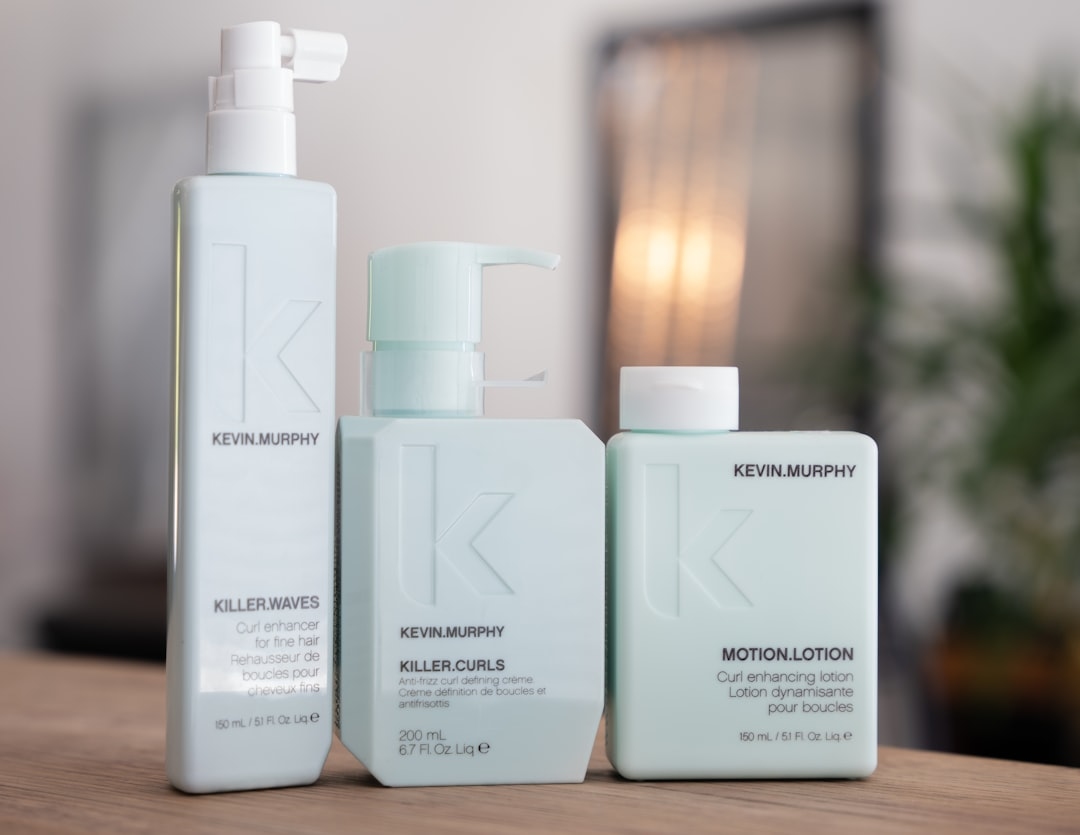
The right products fundamentally change how your hair behaves. Look specifically for leave-in conditioners formulated with humectants—ingredients that attract and bind moisture to the hair shaft. Glycerin, propylene glycol, and sorbitol are proven humectants that reduce static by up to 40%, according to cosmetic chemistry research. A quality leave-in conditioner costs £8 to £18 in the UK and should be applied to damp hair, focusing on mid-lengths and ends. Apply 2-3 pumps and comb through to distribute evenly.
Silicone-based serums and anti-frizz oils form a protective barrier over the hair cuticle, preventing moisture loss and reducing static charge. Products containing dimethicone or cyclomethicone create this smoothing effect. Argan oil, coconut oil, and jojoba oil are natural alternatives that achieve similar results—approximately 70% of static reduction compared to silicone products, according to independent testing. Price ranges from £5 for budget-friendly serums to £25 for premium argan treatments. Apply oils sparingly to avoid greasiness: just 2-3 drops on damp hair before styling.
Deep conditioning treatments applied weekly address underlying dryness. Choose protein-rich formulas for damaged hair (containing hydrolyzed keratin or silk proteins) or moisture-rich formulas with hyaluronic acid and ceramides. Cost typically ranges from £6 to £20 per treatment. Leave these on for 10-20 minutes, then rinse thoroughly. Sustainable brands increasingly offer these products in recyclable or compostable packaging—look for certifications from the Cosmetic Toiletries and Perfumery Association for genuinely eco-friendly options.
Method 3: Choose the Right Brush and Styling Tools
The friction created during brushing directly causes static buildup. Boar bristle brushes and wooden brushes are naturally conductive and reduce static compared to plastic or nylon brushes. Boar bristle brushes typically cost £12 to £35 and work particularly well on medium to thick hair. The natural bristles distribute scalp oils evenly, further protecting against dryness. Ionic hairbrushes (£25-£60) emit negative ions that neutralize positive electrical charges in hair, reducing frizz by up to 50% in clinical demonstrations. These work well for daily grooming but require periodic charging.
Wide-tooth combs made from wood or metal (£3-£10) are superior for detangling damp hair because they minimize breakage and friction damage. Avoid metal combs on wet hair if you’re working outdoors with electrical equipment, though in normal home conditions metal actually helps dissipate static charge. The choice between combs and brushes depends on hair type: fine or curly hair benefits from wide-tooth combs, while thick or straight hair tolerates bristle brushes better.
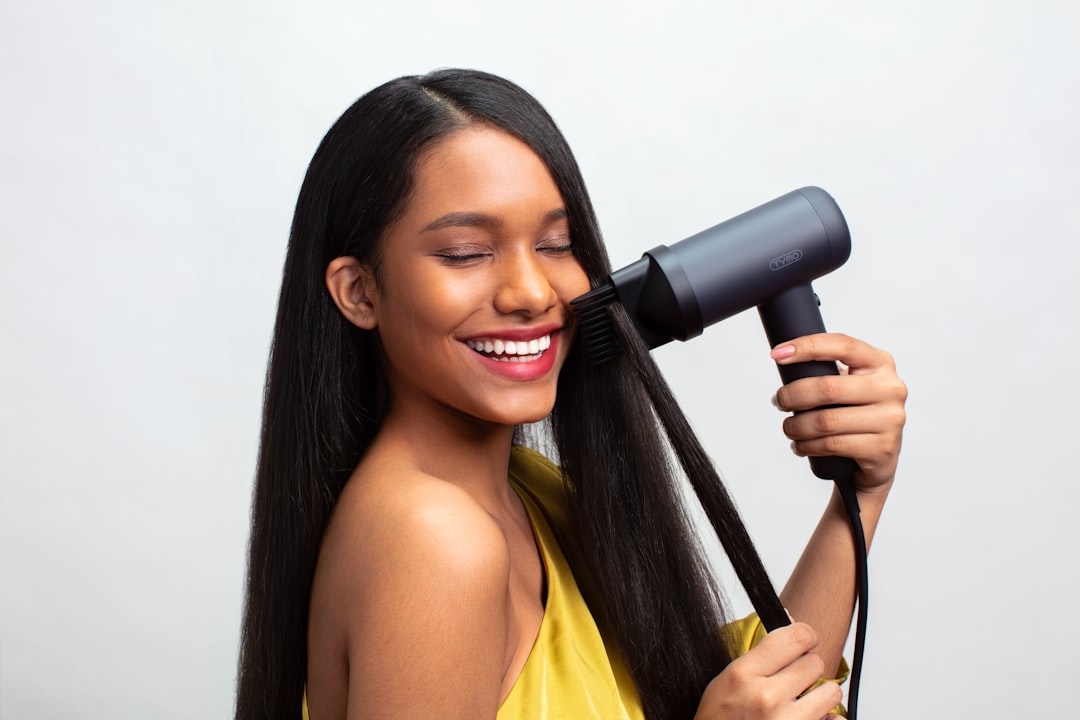
Hair dryer settings matter significantly. High heat settings (above 70°C) can increase static by damaging the hair cuticle and evaporating moisture. Use medium heat (50-65°C) instead, which styles effectively without excessive drying. Ionic or ceramic hair dryers (£30-£100) emit negative ions or produce infrared heat that reduces moisture loss compared to standard dryers. Dry your hair in the direction the cuticles lie (downward) to keep them sealed and protected. The entire drying process should take 15-20 minutes at moderate temperatures rather than rushing with maximum heat.
Method 4: Optimize Bedding and Sleep Environment
You spend 8 hours nightly with hair against pillowcases and sheets. Standard cotton pillowcases create substantial friction, particularly if they have a low thread count (under 300). Switching to silk or satin pillowcases costs £15 to £40 but dramatically reduces overnight static and friction damage. Silk has a smooth surface structure that allows hair to glide rather than catch, reducing breakage by approximately 30% while simultaneously lowering static buildup. Satin pillowcases offer similar benefits at lower cost (£8-£18) and are easier to care for, though pure silk is more durable long-term.
Cotton sheets with higher thread counts (400-600) are better than low-quality options but still generate more static than silk alternatives. If budget constraints prevent upgrading pillowcases, wrapping hair in a silk scarf before bed provides comparable benefits. A simple silk or satin hair wrap costs £5 to £15 and protects hair while reducing static. This method also prevents sleep creases and maintains your style overnight.
Bedroom humidity during sleep directly affects morning static. Keeping a cool-mist humidifier running while you sleep (set to maintain 45-55% humidity) noticeably reduces waking static. This approach has the added benefit of improving sleep quality and reducing respiratory irritation common in very dry winters.
Method 5: Adjust Your Styling Routine and Techniques
Timing and technique significantly influence static formation. Styling damp rather than completely dry hair reduces friction damage and static charge. Hair cuticles remain slightly raised when damp, making them more flexible and less prone to catching. Apply leave-in conditioner or styling cream to damp hair, then use a brush or comb before blow-drying. This damp-styling approach reduces static by approximately 35% compared to brushing completely dry hair.
Specific hairstyles are more or less prone to static. Sleek styles and blowouts tend to accumulate more static than soft waves or braids because the styling process creates more friction. Braiding damp hair and leaving it braided while it dries naturally eliminates heat and friction damage, resulting in waves with minimal static when released. Buns and updos also reduce static by keeping hair compressed together rather than loose and prone to flyaways.
Product layering technique matters. Apply products in this sequence: leave-in conditioner (to damp hair), then styling cream or mousse, then heat protectant, then oils or serum last. This layering prevents product buildup while providing maximum protection. Use a light touch—more product doesn’t mean better results and can create greasiness that attracts dust and weighs down finer hair.
Method 6: Adopt Sustainable, Eco-Conscious Alternatives
Many conventional static solutions rely on synthetic chemicals. Sustainable alternatives reduce environmental impact while often improving hair health. Flaxseed gel, made by boiling whole flaxseeds and straining the resulting mucilage, costs pennies to make at home and provides excellent frizz and static control. The natural polysaccharides in flaxseed act as humectants, binding moisture to hair. Apply it to damp hair, then style as normal. This zero-waste option stores in the refrigerator for 2-3 weeks and works equally well for all hair types.
Aloe vera gel (either fresh from the plant or unsweetened commercial versions, £3-£8) similarly provides static reduction through natural humectants. Apple cider vinegar rinses (one tablespoon diluted in one litre of water) seal the hair cuticle and reduce static while leaving no vinegar smell once dry. These rinses cost approximately £0.10 per application and represent one of the most economical solutions available.
Natural oils like rosemary, lavender, or geranium—when diluted properly in carrier oils—provide both static reduction and aromatherapy benefits. A 50ml bottle of quality organic argan oil costs £12-£18 and lasts several months with regular use. These plant-based solutions align with zero-waste lifestyle goals and eliminate synthetic chemical exposure, making them ideal for people with sensitive scalps or environmental concerns.
Method 7: Manage Static Through Clothing and Accessories
The materials touching your hair throughout the day significantly affect static accumulation. Clothing made from natural fibres—cotton, linen, wool, and silk—create less static friction than synthetic fabrics like polyester, nylon, or acrylic. Choosing natural fibre clothing where possible, especially items that touch your hair (hats, scarves, collars), reduces daily static buildup. Quality wool scarves cost £15-£40 but provide warmth while minimizing static compared to synthetic alternatives.
Rubber hair bands and metal clips trap and concentrate charge, while silk hair ties and wooden clips distribute charge more evenly. A set of silk hair ties costs £8-£15 and lasts years. Metal bobby pins paradoxically reduce static in some cases because metal conducts charge away, whereas plastic clips hold charge. For updos, use metal pins on the exterior to help dissipate charge, then secure underneath with silk ties.
Scarves and hats deserve consideration beyond their warming function. A silk or satin lining in winter hats prevents friction during the commute. Some people purchase cheap cotton hats and sew in silk linings (approximately 10 minutes of work with £2 of silk fabric) to create hybrid solutions. This DIY approach costs significantly less than premium hats while providing equivalent benefits.
Comparison: Which Methods Work Best for Different Hair Types
Static solutions aren’t one-size-fits-all. Fine or thin hair responds best to lightweight products and humidity control—this hair type lacks sufficient weight to resist charge naturally, so environmental moisture and minimal product buildup are critical. Methods 1 and 2 (humidity and leave-in conditioners) provide maximum benefit for fine hair, while heavy oils should be avoided.
Thick or coarse hair tolerates heavier products better and generally resists static more effectively. For this hair type, Methods 3 and 4 (tool selection and bedding) make the largest difference, as friction during styling creates more noticeable static. The weight of thick hair actually helps seal the cuticle, so minimal intervention often suffices beyond reducing mechanical friction.
Curly or textured hair sits somewhere between these extremes. The natural curl pattern creates inherent friction, making static particularly noticeable. Curly-haired people benefit most from Methods 1, 2, and 6—humidity, hydrating products, and natural alternatives that enhance curl definition while reducing frizz. Avoiding harsh brushing (Method 3 adapted: use finger-combing or wide-tooth combs exclusively) prevents disrupting the curl pattern.
Treated or damaged hair requires gentler approaches. Chemical treatments, colour, bleaching, and heat damage increase porosity, making moisture retention difficult. For this hair type, Methods 2 (hydrating products) and 4 (silk bedding) provide immediate relief, while the long-term solution involves reducing future damage and supporting recovery with protein-rich treatments. Combining sustainable natural oils with conventional leave-in conditioners often yields best results for damaged hair because the natural oils penetrate the porous structure while conditioners seal the cuticle.
Quick Reference Effectiveness Chart
Immediate relief (minutes): Methods 3, 4, 7 (brushes, bedding, accessories) — physical changes that work instantly
Short-term relief (hours): Methods 2, 5 (products and technique adjustments) — noticeable benefit within a styling session
Long-term relief (days to weeks): Methods 1, 6 (humidity control and lifestyle changes) — sustained improvement from environmental or habit modifications
How to Choose the Right Combination for Your Situation
Start by diagnosing your static problem. Is it year-round, or does it spike during winter? If seasonal, humidity control (Method 1) should be your priority. If year-round, your hair likely needs hydration intervention (Methods 2 and 6). Notice when static is worst: immediately after showering (product and technique issues), overnight (bedding problem), or during specific activities (clothing and friction issues). Pinpointing the timing helps you target the right solution.
Budget considerations influence your approach. If you can invest £50-£100, purchasing a decent humidifier plus silk pillowcase covers combines two high-impact methods. If budget is £10-£20, investing in quality leave-in conditioner and silk hair ties addresses both product and friction issues. If you prefer natural solutions, making flaxseed gel at home (essentially free) plus adopting the DIY silk-lined hat modification costs minimal money while providing meaningful benefits.
Lifestyle factors matter significantly. People working in air-conditioned offices experience more static because indoor HVAC systems significantly reduce humidity. These individuals should prioritize humidity control and portable solutions (products and accessories) that work anywhere. Outdoor workers face different challenges—wind and weather exposure create extreme static conditions, so robust product protection (Methods 2 and 6) combined with protective styling (Method 5) works better than environmental control.
Hair texture and condition guide product selection within Method 2. Fine hair needs lightweight leave-in conditioners (1-2 pumps maximum) and should avoid thick oils. Thick hair tolerates cream-based conditioners and heavier oils better. Curly hair benefits from gel-based products that define curl while reducing frizz. Straight hair often prefers serums and lightweight conditioners that maintain smoothness without adding texture.
Implementing Your Anti-Static Routine: Week-by-Week Approach
Week 1: Establish baseline measurements. Purchase a hygrometer (£8-£15) and record your home’s humidity levels at different times and locations. Track your static problem daily—note severity, timing, and which hair areas are most affected. This baseline helps you measure progress and identify patterns. Simultaneously, switch to a natural bristle brush or ionic brush if you don’t already have one. This single tool change often provides noticeable improvement within days.
Week 2: Introduce a hydrating leave-in conditioner or lightweight oil into your styling routine. Apply only to damp hair before blow-drying. Notice the difference after 3-5 styling sessions. If you see improvement, continue with this product. If not, your static problem is likely environmental (humidity) rather than product-related. Begin using a silk pillowcase at night. The combination of better-hydrated hair plus reduced overnight friction often dramatically improves morning static.
Week 3-4: If previous steps haven’t fully resolved static, implement humidity control. Start with natural methods—damp towel hanging, bowls of water near heat sources—and measure humidity daily. If it remains below 40%, invest in a humidifier. Set it to maintain 45-55% humidity in your bedroom (where you spend extended time) or main living area. Most people notice substantial improvement within 5-7 days of raising humidity.
Ongoing: Maintain your chosen methods consistently. Static problems resolve through sustained practice, not one-time fixes. Most people find that combining 2-3 methods (typically humidity control plus product plus one friction-reduction strategy) provides complete resolution. After 4-6 weeks of consistent effort, reassess—if static persists, consider whether treated or damaged hair requires additional protein-rich treatments, or whether extreme dryness demands professional help.
When to Seek Professional Help
Persistent static despite consistent home treatment sometimes indicates underlying damage or scalp conditions requiring professional intervention. Trichologists (hair specialists, available through referral via general practitioners or private consultation at approximately £80-£150 per appointment) can assess hair porosity, damage level, and potential scalp issues contributing to static. If your hair remains excessively dry and frizzy despite 6+ weeks of product and humidity intervention, professional assessment might reveal damage from over-processing or heat styling that requires specialist care.
Some salons offer professional anti-frizz treatments like keratin straightening (£100-£300) or bond-building treatments (£80-£200) that can temporarily reduce static while supporting hair recovery. These aren’t necessary for typical static problems but help severe cases. Professional deep conditioning treatments using high-quality formulas can jumpstart hair recovery faster than home treatments alone.
The Science Behind Static Prevention: How These Methods Work Together
Understanding the science reinforces why multi-method approaches work best. Static electricity depends on three factors: low humidity (removing water molecules from hair), friction (between hair and other materials), and insulating materials (plastics, synthetics) that trap charge. By addressing all three simultaneously, you eliminate static far more effectively than addressing one alone.
Humidity directly hydrates the hair cuticle, allowing hydrogen bonding that dissipates charge naturally. Products add moisture (humectants), seal the cuticle (silicones and oils), and sometimes emit ions (ionic products) that neutralize charge. Better brushes and tools reduce friction, while natural fibre clothing prevents insulating charges from accumulating. Silk bedding reduces overnight friction damage. Together, these methods create an environment where static cannot accumulate even in challenging conditions.
The most important insight: prevention beats cure. Maintaining adequate hydration and minimizing friction prevents static far more reliably than attempting to remove static after it develops. This is why humidity control and product use work better than emergency measures. Starting prevention early in autumn, before winter heating reduces humidity, produces better results than waiting until static peaks in January.
FAQ: Common Questions About Static Hair
Does humidity really solve static hair?
Yes. Humidity directly addresses the root cause by maintaining moisture in the hair shaft. Raising indoor humidity from 20% to 50% typically reduces static by 60-80% within one week. However, humidity works best in combination with other methods; on its own, it sometimes proves insufficient for very dry hair or damaged hair that cannot retain moisture effectively.
What’s the fastest way to eliminate static immediately?
For immediate relief in minutes: dampen your hands slightly (not dripping wet) and lightly smooth your hands over your hair. The added moisture temporarily restores hair hydration. Alternatively, mist your hair with a spray bottle containing water mixed with a few drops of leave-in conditioner. This provides 2-4 hours of relief. For longer-lasting immediate relief, apply anti-frizz serum to your palms and press gently against flyaways.
Can static permanently damage my hair?
Static itself doesn’t cause permanent damage, but the friction and breakage accompanying extreme static can gradually damage the hair structure. Repeated frizz and flyaway problems indicate your hair is under mechanical stress. The cumulative effect of friction over months or years can increase breakage and split ends. Prevention through reduced friction and better hydration protects against this gradual damage.
Are expensive anti-frizz products better than budget options?
Price doesn’t always correlate with effectiveness. Budget leave-in conditioners (£3-£5) containing glycerin or dimethicone work nearly as well as premium products (£15-£25) for most people. The key is the active ingredients (humectants and sealants), not the brand premium. However, some people find higher-end products have better textures, scents, or additional ingredients that justify the cost. Try budget options first; if they don’t work adequately after 2-3 weeks, upgrade to premium brands.
Why does my static problem get worse after I wash my hair?
Washing strips natural oils and moisture from your hair, leaving it temporarily very dry and prone to static. Using leave-in conditioner immediately after shampooing helps, but the simplest solution is timing: style your hair while it’s still damp, which reduces friction and allows hydration to seal the cuticle. Complete drying before styling increases friction significantly. Some people find washing in the evening and styling while still damp in the morning more effective than washing and blow-drying immediately.
Final Recommendations: Moving Forward with Static-Free Hair
Managing static hair doesn’t require expensive equipment or complicated routines. The most effective approach combines three elements: maintaining adequate environmental humidity (40-60%), using hydrating products adapted to your hair type, and minimizing friction through better tools and materials. For most people, implementing these three changes produces noticeable improvement within 2-3 weeks and complete resolution within 4-6 weeks.
Start with assessment—identify whether your static problem is environmental, product-related, or friction-based. This determines which method you should prioritize. Someone in a dry climate should begin with humidity control. Someone with product-dependent static should focus on leave-in conditioners and oils. Someone whose static develops during the day should prioritize friction reduction through clothing and styling choices.
Remember that static is entirely preventable in most cases. Your goal isn’t learning to live with frizz and flyaways but rather eliminating the conditions that cause them. By combining the methods outlined here—whether humidity control, better products, improved styling technique, sustainable alternatives, or friction reduction through clothing and accessories—you can achieve consistently smooth, manageable, static-free hair throughout the year, even during challenging winter months when many people struggle most. How to stop static hair ultimately comes down to addressing moisture, friction, and environmental factors systematically rather than waiting for problems to develop and then trying to fix them.
+ There are no comments
Add yours