







Contents:
- Understanding What a Hair Topper Is
- How Does a Hair Topper Actually Work?
- Clip Attachment
- Adhesive Attachment
- Integration and Braiding
- Hair Topper vs. Full Wig: The Critical Difference
- Types of Hair Toppers Available in the UK
- Synthetic Hair Toppers
- Human Hair Toppers
- What the Pros Know
- Cost Breakdown: What You’re Actually Spending
- Sustainability and Ethical Considerations
- Practical Considerations for Daily Wear
- FAQ
A hair topper is not a wig, though people confuse them constantly. It’s a discreet hairpiece that covers thinning areas without requiring surgery, chemicals, or expensive ongoing treatments—yet most people dealing with hair loss have never heard of them.
Understanding What a Hair Topper Is
A hair topper, also called a hairpiece, partial wig, or hair system, is a custom or semi-custom piece of hair designed to sit on top of your existing hair and cover balding or significantly thinning areas. Unlike a full wig covering the entire head, a topper covers the crown, frontal area, or parting line—typically 15-25% of the scalp. It attaches with clips, adhesive, or integration into your natural hair, creating an illusion of fuller hair without replacing your entire head of hair.
Toppers range from 8-14 inches in length (though custom lengths exist), weigh 30-80 grams depending on density, and cost £100-1,000 depending on whether they’re synthetic or human hair and how customised they are. The fundamental appeal is simplicity: wear it daily, remove it nightly, and your natural hair remains untouched.
How Does a Hair Topper Actually Work?
A topper sits on top of your natural hair, anchored through several mechanisms:
Clip Attachment
Most toppers come with clips (small hooks) sewn into the base. You clip them directly to your natural hair—similar to a clip-in hair extension but designed for partial coverage. Applying a clip-in topper takes 30-60 seconds once you’ve practised. You part your natural hair where you want the topper to sit, clip it in, blend your natural hair over and around the clips, and the topper feels integrated. Removing it requires unhooking the clips; clips cause minimal damage to healthy hair and can be used repeatedly for months or years.
Adhesive Attachment
Some toppers use flexible adhesive strips or liquid adhesive similar to lace-front wig adhesive. These semi-permanent attachments last 2-4 weeks before requiring reapplication. Adhesive creates a seamless, hands-free experience—no clips to adjust during the day—but requires careful application and removal to avoid damaging natural hair underneath. Adhesive is less popular than clips for daily-wear toppers but preferred by people with very sparse natural hair offering few clipping points.
Integration and Braiding
Some salons offer integration services where your natural hair is braided into rows, and the topper is sewn onto these braids. This semi-permanent method lasts 4-8 weeks and requires professional installation and removal. Integration suits people who want to sleep in their toppers or live hands-free, but it’s labour-intensive and more expensive than clip methods.
Hair Topper vs. Full Wig: The Critical Difference
The confusion between toppers and wigs costs people money and satisfaction because they solve different problems.
Hair Toppers: Cover partial hair loss (thinning crown, receding hairline, or midline widening). Require existing hair for anchoring. Work seamlessly when you have some natural hair to blend. Cost £100-1,000. Daily wear is standard; removing them is easy and damage-free. You see your actual hairline, parting, and hair texture at the edges—blending looks natural because it’s actually your hair.
Full Wigs: Cover complete hair loss or provide total style transformation. Don’t require existing hair—work equally on bald scalps or for fashion. Visible hairline and parting are artificial components; achieving natural appearance requires expensive, custom construction. Cost £150-3,000+. Daily wear is optional—many wig-wearers only wear them for specific occasions or public outings.
Someone with significant crown thinning but a normal hairline should absolutely consider a topper; a full wig is unnecessary and looks artificial on someone with visible natural hair. Someone with near-complete baldness needs a full wig because a topper has nowhere to attach.
Types of Hair Toppers Available in the UK
Synthetic Hair Toppers
Made from plastic fibres like Kanekalon or modacrylic, synthetic toppers cost £80-300 and require zero styling—they hold their wave or curl permanently. Colour is vibrant and consistent; however, they can’t be heated, dyed, or washed aggressively. Lifespan is 4-6 months before fibres deteriorate and frizz. Synthetic works well for budget-conscious first-timers testing whether toppers suit them.
Human Hair Toppers
Non-Remy Human Hair: £150-400. Human hair that’s been washed and processed but with cuticles not aligned. These toppers work but tend to tangle after 4-8 weeks of wear. Suitable for occasional wear or if budget is tight.
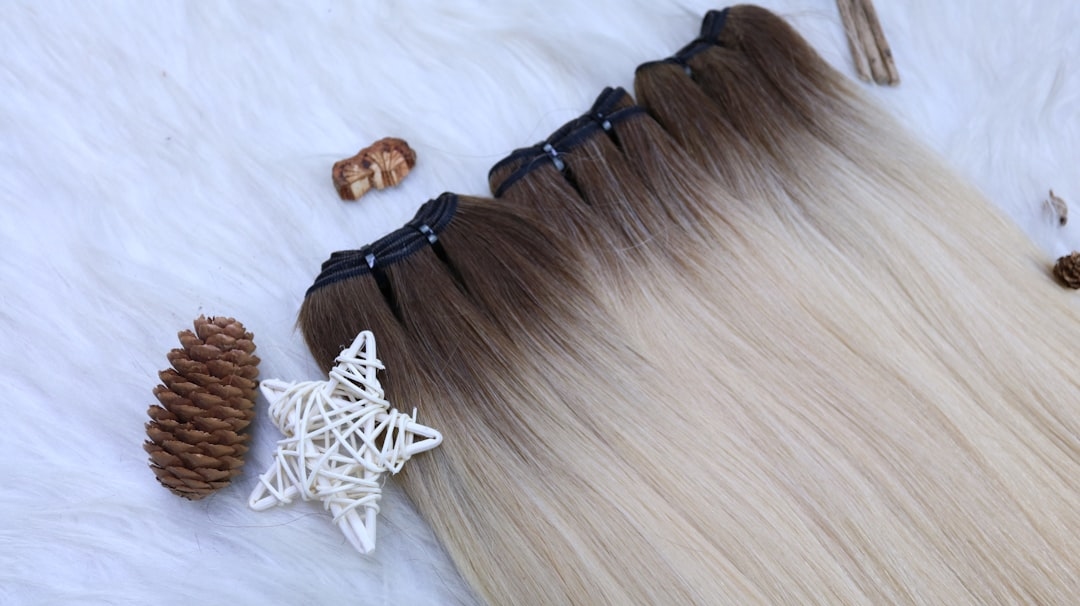
Remy Human Hair: £300-700. Cuticles align in one direction; vastly superior to non-Remy. Lasts 6-12 months with care. Can be heat-styled, washed, and even dyed slightly. Most UK buyers choose Remy human hair toppers as the realistic sweet spot.
Virgin Human Hair: £600-1,000+. Never processed; retains original texture, shine, and strength. Lasts 12+ months. Premium pricing reflects quality and ethical sourcing considerations. If you’re investing in a topper long-term, virgin hair justifies the extra cost.
What the Pros Know
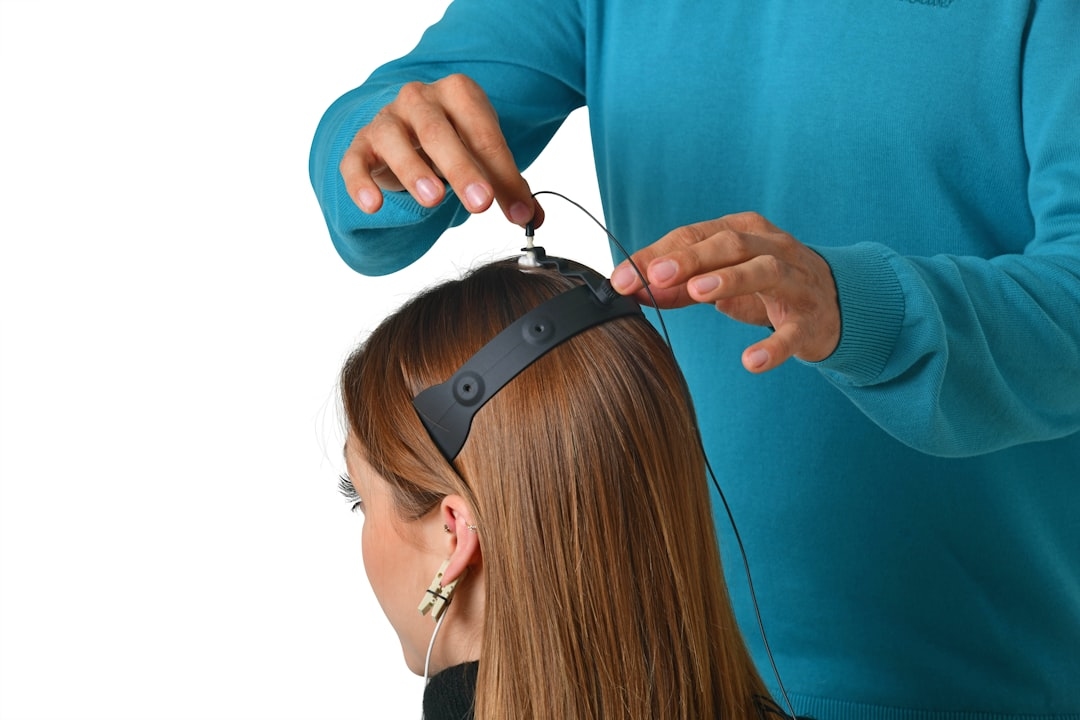
Professional hair specialists who work with toppers emphasise two critical insights: density matters more than length, and blending technique determines whether a topper looks obvious or invisible. Someone with naturally fine, sparse hair should choose toppers with matching density (lower hair count per square inch) rather than copying thick-haired friends’ toppers. A topper matched in colour but significantly denser than your natural hair screams artificial, regardless of quality. Second, the base size and placement are paramount. A topper covering too much scalp leaves visible gaps between natural hair and topper; one too small fails to cover intended thinning. Professional fitting during initial purchase ensures the base dimensions and clip placement match your specific hair loss pattern. This single fitting session determines success; many people buy toppers online without proper sizing and regret it.
Cost Breakdown: What You’re Actually Spending
Initial topper purchase is just the beginning. A realistic annual budget includes:
- Topper itself: £100-1,000 depending on hair type and customisation.
- Specialist shampoo and conditioner: £15-40 for products lasting 2-3 months; budget £60-160 annually.
- Topper maintenance: Professional washing and styling, if desired, costs £30-60 per appointment every 4-6 weeks (optional—many people wash toppers at home).
- Replacement: Most synthetic toppers last 4-6 months; Remy human hair lasts 8-12 months. Annual replacement costs £100-300 for synthetic, £300-700 for Remy.
A person using a £400 Remy human hair topper with annual professional care and home washing might spend £500-700 annually. Compare this to hair transplants (£5,000-15,000 upfront plus ongoing treatments) or continuous salon visits for density treatments, and toppers represent exceptional value for people wanting immediate, reversible solutions.
Sustainability and Ethical Considerations
Hair toppers’ non-invasive nature aligns with sustainability concerns. Unlike hair transplants, they don’t require surgery, synthetic drugs (finasteride, minoxidil), or chemical treatments. However, replacing synthetic toppers every 4-6 months creates waste; choosing Remy or virgin human hair toppers lasting 8-12+ months reduces replacement frequency and environmental impact. Ethical sourcing of human hair for toppers is increasingly important—salons like Hair by Zara and others now emphasise fair compensation for hair donors, particularly from India and Southeast Asia where most human hair originates. If sustainability concerns matter, investing in higher-quality human hair toppers and keeping them longer aligns with eco-conscious values.
Practical Considerations for Daily Wear
Living with a topper means adapting your routine. Sleeping in a topper isn’t standard practice—removing it nightly prevents compression and tangling. Some people wear toppers 14-16 hours daily and remove them for sleep; others wear toppers only when leaving home. Sensitivity to humidity varies; some toppers frizz in moisture, whilst others perform fine in British drizzle. Vigorous exercise causing sweating can loosen clip attachment, so retirees and people with stable routines often find toppers easier than active individuals. Swimming and water activities typically require topper removal, though adhesive-attached toppers are more water-resistant than clip toppers.
FAQ
What is a hair topper, and how does it differ from a wig?
A hair topper covers partial hair loss (crown, parting, frontal area) using clips or adhesive attached to existing hair. A full wig covers the entire scalp and works on bald heads. Toppers are lighter, less obvious, and daily-wear-friendly; wigs are typically denser and more formal. Choose toppers for partial thinning and existing natural hair at edges; choose wigs for significant baldness.
Can you wear a hair topper every day?
Yes. Most people wear toppers daily and remove them at night. Clip toppers take 30-60 seconds to apply and remove with zero damage to natural hair. Adhesive toppers last 2-4 weeks before requiring reapplication. With proper care, daily topper wear is perfectly normal and sustainable.
How long do hair toppers last?
Synthetic toppers last 4-6 months of regular wear before fibres deteriorate and frizz. Remy human hair toppers last 8-12 months with care. Virgin human hair toppers last 12+ months. Lifespan depends on frequency of wear, washing method, and styling—careful handlers extend durability significantly.
How much do UK salons charge for hair toppers?
Clip-in synthetic toppers cost £80-300; Remy human hair toppers cost £300-700; virgin human hair toppers cost £600-1,000+. Custom-fitted toppers with professional sizing cost £50-200 more but ensure perfect fit. Budget £300-500 for a quality, semi-custom topper.
Are hair toppers noticeable to other people?
Well-fitted, properly blended toppers are virtually unnoticeable—they blend with your natural hair at the edges and parting. Poorly fitted toppers with mismatched density or colour are obvious. Professional fitting and colour matching during purchase are critical to seamless appearance.
Hair toppers represent a straightforward, temporary, reversible solution for people experiencing crown thinning, receding hairlines, or midline widening. They require no surgery, no long-term medication, and no months waiting for results. Remove a topper, and you’re back to your natural hair unharmed. This combination of immediate results and zero permanent commitment makes toppers genuinely compelling for anyone hesitant about permanent hair loss treatments.

+ There are no comments
Add yours