






Contents:
- Understanding the Hair Growth Cycle
- Why Do I Shed So Much Hair? Common Causes
- Stress and Emotional Trauma
- Nutritional Deficiencies
- Thyroid Dysfunction
- Hormonal Changes
- Medications and Treatments
- Seasonal Shedding
- Tight Hairstyles and Physical Damage
- Eco-Friendly Hair Care to Reduce Shedding
- When Excessive Shedding Indicates Pattern Baldness
- Creating Your Action Plan
- FAQ: Your Shedding Questions Answered
- Is 100 hairs a day normal?
- How do I know if my shedding is abnormal?
- Will supplementing B12 or iron stop my shedding?
- Can I prevent seasonal shedding?
- Should I see a dermatologist or my GP?
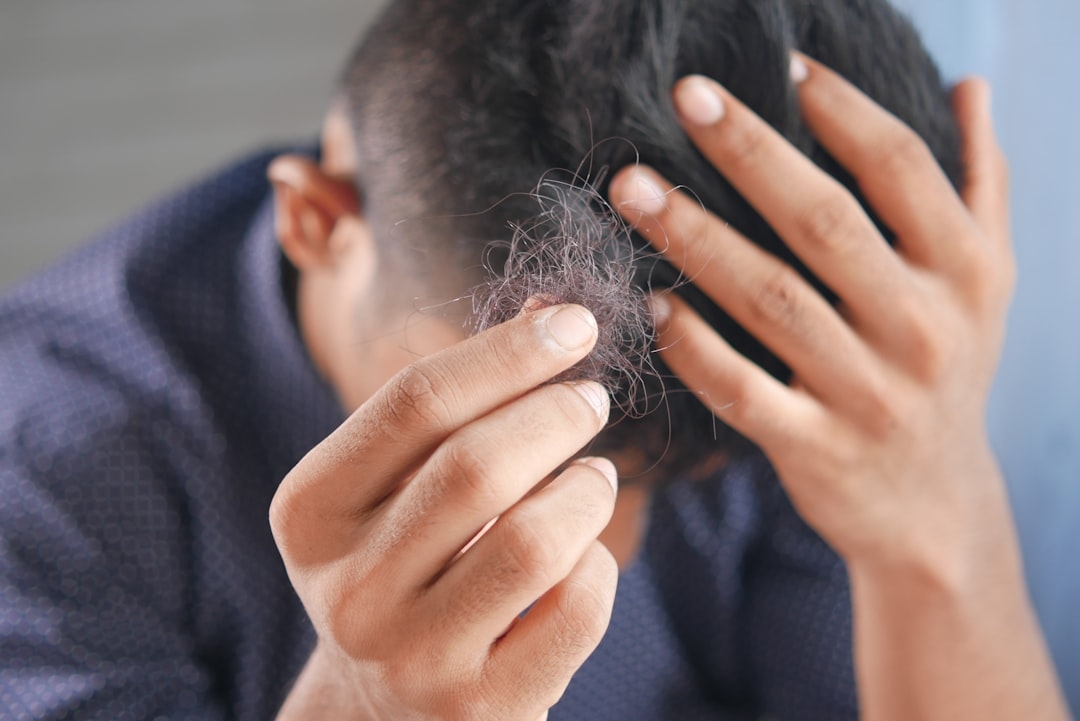
Many people count the hairs in their shower drain, spiralling into worry when they spot what seems like a alarming amount. Here’s the truth often missed: shedding 50-100 hairs daily is entirely normal. Your scalp contains 100,000 hair follicles, each cycling through growth and rest phases. At any given moment, roughly 10-15% are in the shedding phase. So why do I shed so much hair? Usually, the answer isn’t pattern baldness or disease—it’s temporary physiological stress.
Understanding the Hair Growth Cycle
Hair grows in three phases: anagen (growth, lasting 2-7 years), catagen (transitional, 2-3 weeks), and telogen (resting, 2-4 months). During telogen, hair loosens and sheds naturally, replaced by new growth below. In healthy scalps, shedding is continuous but unnoticeable. However, certain stressors can synchronise many follicles into the telogen phase simultaneously, causing visible, dramatic shedding. This phenomenon is called telogen effluvium, and it accounts for most excessive shedding complaints.
Why Do I Shed So Much Hair? Common Causes
Stress and Emotional Trauma
Psychological stress triggers telogen effluvium with surprising efficiency. A major life event—job loss, relationship breakdown, illness—can push 30-50% of scalp hairs into the shedding phase simultaneously. Peak shedding occurs 6-12 weeks after the stressor, which is why people often don’t connect the loss to its cause. The good news: once stress resolves, hair regrowth typically begins within 3-6 months. No permanent damage occurs; hairs are simply paused, not destroyed.
Nutritional Deficiencies
Hair is made primarily of protein, and your body prioritises essential functions over hair maintenance. Deficiencies in iron, zinc, vitamin B12, and vitamin D directly weaken hair, promoting shedding. A 2020 study in Dermatology Practical and Conceptual found that 70% of people with excessive shedding showed at least one nutritional deficiency. Vegans and vegetarians are at particular risk for iron and B12 deficiency. A simple blood test from your GP identifies specific gaps, which supplementation addresses within 2-3 months.
Thyroid Dysfunction
Both hyperthyroidism (overactive) and hypothyroidism (underactive) cause telogen effluvium. The thyroid regulates metabolism and protein synthesis; disruption weakens hair follicles. Hypothyroidism is particularly common in the UK, affecting roughly 2% of the population. Symptoms include fatigue, weight changes, and dry skin alongside shedding. A TSH blood test (available free on the NHS) confirms thyroid issues, and treatment with levothyroxine reverses shedding within 2-4 months.
Hormonal Changes
Postpartum shedding is one of the most dramatic forms of telogen effluvium. During pregnancy, elevated oestrogen keeps most hairs in the growth phase, creating thick locks. After delivery, oestrogen plummets, synchronising shedding. Many new mothers experience 50-70% more shedding than baseline for 3-6 months postpartum. This is entirely normal and self-limiting. Similar patterns occur with hormonal contraceptive changes and menopause.
Medications and Treatments
Certain medications trigger telogen effluvium, including beta-blockers (for blood pressure), anticoagulants, antidepressants, and some cancer treatments. If you’ve started a new medication within 6-12 weeks and notice shedding, discuss with your GP—alternatives may be available. Importantly, chemotherapy causes a different type of shedding (anagen effluvium) where hairs fall out during the growth phase due to damage to the hair root itself. This shedding is more severe but temporary; hair regrowth begins 3-6 months after treatment ends.
Seasonal Shedding
In the UK and Northern Europe, increased shedding occurs in autumn and early winter. This evolutionary holdover from when animals shed dense coats before winter affects humans less dramatically now but remains measurable. Researchers believe reduced daylight and temperature drops trigger the telogen phase. This natural shedding peaks in September-October and tapers by February. It’s entirely harmless and requires no intervention beyond normal hair care.
Tight Hairstyles and Physical Damage
Chronic tension on hair (tight braids, weaves, constant ponytails) causes traction alopecia—permanent hair loss from follicle damage. Additionally, rough brushing when wet, frequent heat styling without heat protection, and harsh chemical treatments (relaxers, permanent waves) weaken hair, increasing breakage and shedding. Prevention is straightforward: use wide-tooth combs, apply heat protectant before styling, and limit heat tools to 2-3 times weekly.
Eco-Friendly Hair Care to Reduce Shedding

Sustainable, gentle practices reduce shedding naturally without expensive products. Use a wide-tooth comb on damp (not wet) hair to detangle. Silk or satin pillowcases reduce friction compared to cotton. Minimal-wash routines (washing 2-3 times weekly instead of daily) preserve natural oils protecting hair. When you do wash, use cool water—hot water opens the hair cuticle and promotes shedding. These practices cost nothing extra and benefit both your hair and the environment by reducing product consumption.
When Excessive Shedding Indicates Pattern Baldness
If you’re shedding steadily but hair is regrowing thinner or not regrowing at all, pattern baldness may be developing. Unlike telogen effluvium (where thick hairs regrow), pattern baldness involves miniaturisation—hairs become progressively shorter and thinner until follicles virtually shut down. Signs include:
- Receding hairline or widening parting
- Thinning primarily at the crown or front
- Shedding that continues beyond 6 months without improvement
- Family history of baldness
If pattern baldness is suspected, early intervention with minoxidil (Rogaine, available over-the-counter, £15-30 monthly) or finasteride (Propecia, prescription, £40-80 monthly) can slow or stop progression. Starting treatment within 2-3 years of noticing thinning yields the best results.
Creating Your Action Plan
If shedding concerns you, create a simple diagnostic timeline:
- When did shedding begin? Sudden onset suggests telogen effluvium; gradual onset suggests pattern baldness or lifestyle factors.
- What changed 6-12 weeks before? Major stress, new medication, diet change, or hormonal shift often precedes visible shedding.
- What does the hair look like? Full-thickness shedding of dense hairs suggests telogen effluvium. Short, thin hairs suggest miniaturisation (pattern baldness).
- Does it persist? Beyond 6 months of shedding without improvement warrants GP consultation.
FAQ: Your Shedding Questions Answered
Is 100 hairs a day normal?
Yes, absolutely. With 100,000 scalp hairs cycling continuously, 50-100 per day is baseline. You only notice it in the shower or brush because that’s where collected hairs accumulate. If you’re shedding this amount and hair appears full and thick, there’s no problem.
How do I know if my shedding is abnormal?
Watch for visible thinning—your parting widening, hairline receding, or scalp showing through where it didn’t before. Shedding count alone, without visible thinning, is rarely concerning. Additionally, notice regrowth; if you see fine new hairs emerging, the cycle is working normally.
Will supplementing B12 or iron stop my shedding?
Only if you’re actually deficient. Supplementing someone with normal levels won’t help and wastes money. A blood test from your GP identifies deficiencies precisely. If deficient, supplementation typically reduces shedding within 8-12 weeks as levels normalise.
Can I prevent seasonal shedding?
Not entirely—it’s physiological. However, maintaining excellent nutrition (especially vitamin D in winter, when sunlight is limited), reducing stress, and caring gently for hair can minimise the degree of seasonal shedding. Some people find that vitamin D supplementation (1,000-2,000 IU daily during winter) helps maintain fuller hair, though research is preliminary.
Should I see a dermatologist or my GP?
Start with your GP. They can order blood tests (iron, B12, thyroid, vitamin D) and assess your medical history for medications or conditions contributing to shedding. If GP evaluation is inconclusive or persistent shedding continues, a dermatologist can perform a scalp examination or hair pull test to diagnose telogen effluvium versus pattern baldness.
The vast majority of excessive shedding is temporary and self-resolving. Stress-induced shedding resolves within months of stress relief. Nutritional deficiencies improve with supplementation. Hormonal shedding (postpartum, contraceptive changes) normalises within 3-6 months. Pattern baldness, the only truly permanent form of hair loss, develops gradually and is treatable if caught early. If you’re shedding more than usual, identify the cause, address it, and give your hair 3-6 months to recover. You’ve likely got this handled sooner than you think.


+ There are no comments
Add yours