

Contents:
- What Are Hair Bangs? The Basics
- Types of Hair Bangs for Different Face Shapes
- Blunt Bangs
- Wispy Bangs
- Side-Swept Bangs
- Curtain Bangs
- Micro Bangs
- Bangs vs. Fringe: What’s the Difference?
- Real Reader Story: The Right Bangs Changed Everything
- How to Style and Maintain Your Hair Bangs
- Daily Styling
- Trimming Frequency
- Managing Growth and Transition
- Who Should Avoid Hair Bangs?
- Budget-Friendly Bang Maintenance Tips
- FAQ: Common Questions About Hair Bangs
- Can I get bangs if I have naturally curly hair?
- How long does it take to grow out bangs?
- What’s the best way to style bangs without heat?
- Do bangs damage hair?
- Which bang style is lowest maintenance?
Hair bangs can completely transform your face shape and overall appearance without requiring a full haircut. They’re one of the most versatile styling tools available, yet many people remain uncertain about what they actually are, which type suits their face, or how to maintain them properly.
What Are Hair Bangs? The Basics
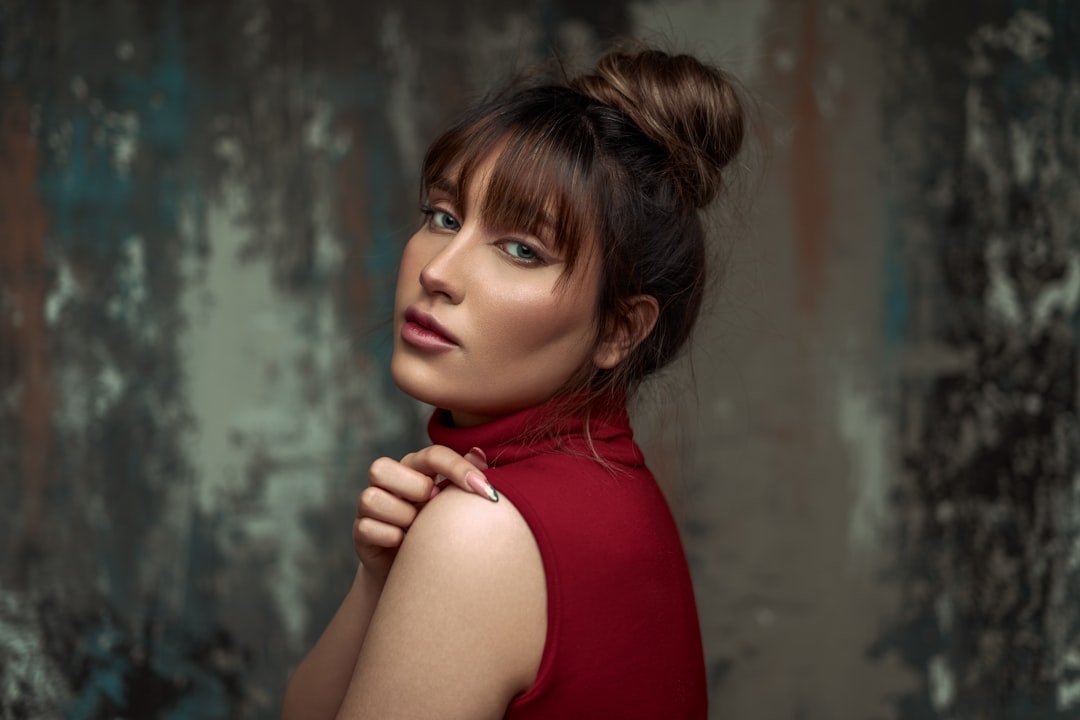
Hair bangs are sections of hair cut shorter than the rest of your head, typically falling across the forehead. The term refers to any fringe-like hair that’s styled to frame the face rather than blend into the rest of your length. Bangs range from wispy and subtle to blunt and statement-making, and they can be cut at various angles and lengths depending on the look you want to achieve.
The key distinction with what are hair bangs versus regular layering is intentionality and placement. Bangs are specifically cut and styled to sit on the forehead and frame the upper portion of your face. They require deliberate styling and maintenance, unlike standard layers which simply add texture throughout your hair length.
Most salons charge between £15 and £45 for a bang trim depending on your location and the salon’s rate card. A full fringe cut with styling consultation typically costs around £25 to £35 at mid-range UK salons.
Types of Hair Bangs for Different Face Shapes
Bangs work best when matched to your face shape, hair texture, and lifestyle. Here are the main types you’ll encounter:
Blunt Bangs
Blunt bangs are cut straight across at one length, creating a bold, dramatic effect. They sit just above the eyebrows and work particularly well for oval, square, and heart-shaped faces. Blunt bangs require weekly styling to maintain their sharp appearance—you’ll need to blow-dry them straight or use a flat iron to keep the line defined.
Wispy Bangs
Wispy bangs are longer and feathered at the edges, creating a softer, more romantic appearance. They typically graze your cheekbones rather than sitting directly on your forehead. This style suits round and square faces because the longer length and layering help elongate the face. They’re also the lowest-maintenance option, requiring just a quick blow-dry most mornings.
Side-Swept Bangs
Side-swept bangs are cut on an angle, covering more hair on one side than the other. They’re incredibly flattering for rectangular and oblong face shapes because they break up vertical length. You can style them to sweep dramatically across your face or tuck them behind one ear for a softer look.
Curtain Bangs
Curtain bangs are parted down the middle and sweep to either side, resembling curtains framing a window. They work on nearly every face shape and have surged in popularity since 2024. Curtain bangs sit longer than traditional bangs (typically brushing your cheekbones) and blend seamlessly with longer hair lengths.
Micro Bangs
Micro bangs are cut very short and sit higher on the forehead, creating a bold, fashion-forward statement. They require significant commitment because even a small amount of hair growth noticeably changes their appearance. Micro bangs suit oval and oblong faces best and work well with straight hair types.
Bangs vs. Fringe: What’s the Difference?
Many people use the terms “bangs” and “fringe” interchangeably, but there is a subtle distinction. “Bangs” is the American term whilst “fringe” is more commonly used in the UK. In styling terms, bangs typically refer to fuller sections of hair across the entire forehead, whilst fringe sometimes describes thinner, wispy sections. However, these definitions aren’t rigidly enforced in the salon industry—most stylists use both terms to mean the same thing.
Real Reader Story: The Right Bangs Changed Everything
Sarah, a 34-year-old from Manchester, had worn her hair the same way for over a decade—long and straight, no framing around the face. She felt her look was dated but feared a dramatic change. After consulting with her stylist about her round face shape, she opted for side-swept bangs blended with subtle layers. Within two weeks, she noticed people commenting on how different she looked—refreshed, younger, more intentional about her appearance. The best part? She spends only five minutes styling her bangs each morning with a blow-dryer, and the £28 bang trim she gets every eight weeks has become her favourite salon investment.
How to Style and Maintain Your Hair Bangs
Proper maintenance determines whether bangs look polished or overgrown. Here’s what you need to know:
Daily Styling
Most bangs require blow-drying to look their best. Use a paddle brush or round brush to direct hair where you want it, applying heat as you go. For wispy and curtain bangs, you can often get away with a quick tousle and air-drying. Blunt bangs demand more precision—straight hair types can usually air-dry successfully, but wavy and curly hair needs heat to maintain the defined line.

Trimming Frequency
Schedule bang trims every 4 to 6 weeks. Hair grows approximately 0.5 inches per month, so bangs that sit on your eyebrows will drop significantly in just four weeks. Many salons offer bang trims between regular haircuts at a reduced price (typically £8 to £15). Never attempt to trim your own bangs unless you have professional experience—one slip can require waiting months for them to grow out.
Managing Growth and Transition
If you decide bangs aren’t for you, growing them out takes patience. Your stylist can cut them into longer side-swept or curtain bangs as they grow, which creates a blended look rather than an awkward in-between stage. This transition typically takes 6 to 9 months depending on your bangs’ original length.
Who Should Avoid Hair Bangs?
Bangs aren’t ideal for everyone. If you have extremely curly or tightly coiled hair, bangs require significant daily styling time unless you’re willing to embrace a more textured look. People with very oily scalps may find bangs get greasy quickly and look limp by midday. Additionally, if your lifestyle involves frequent swimming, gym sessions, or sports, maintaining bangs becomes impractical—you’d need to restyle them constantly.
Bangs also don’t suit people who dislike frequent salon visits or detailed daily styling routines. If you prefer wash-and-go hairstyles, choose wispy or curtain bangs rather than blunt styles.
Budget-Friendly Bang Maintenance Tips
You don’t need expensive products to maintain stylish bangs. A basic paddle brush (£4 to £8), a standard blow-dryer (£15 to £30), and a lightweight mousse (£5 to £10) cover most needs. Avoid pricey specialty products marketed specifically for bangs—regular volumising mousse or light texturising spray works just as well.
If you visit your salon every six weeks for bang trims, budget approximately £50 to £90 annually for maintenance. Compare this to other styling trends that require regular professional upkeep, and bangs are actually quite economical.
FAQ: Common Questions About Hair Bangs
Can I get bangs if I have naturally curly hair?
Yes, but expect more styling effort. Curly bangs work beautifully with textured styles, but you’ll need to define them daily using heat or styling products. Wispy and curtain bangs suit curly hair better than blunt styles because they blend with your natural texture.
How long does it take to grow out bangs?
Growing out full blunt bangs takes approximately 4 to 5 months to reach your cheekbones, where they blend with your face-framing layers. The complete transition to no bangs can take 9 to 12 months depending on your patience with the in-between phases.
What’s the best way to style bangs without heat?
Wispy and curtain bangs air-dry beautifully with minimal styling. Apply a light mousse to damp bangs, let them dry naturally, and use your fingers to separate them. For straight hair, you might get away with air-drying blunt bangs too, but most people find heat creates a more polished finish.
Do bangs damage hair?
Regular cutting doesn’t damage hair, but frequent heat styling can. Use a heat protectant spray before blow-drying and limit daily heat use when possible. Getting proper bang trims every 4 to 6 weeks prevents split ends better than letting them grow too long between cuts.
Which bang style is lowest maintenance?
Curtain bangs and wispy bangs require the least maintenance. They air-dry relatively well and blend seamlessly if they grow out slightly. Blunt bangs demand the most attention because every millimetre of growth changes their appearance.
Choosing the right bangs depends on understanding your face shape, hair type, lifestyle, and maintenance commitment. Whether you opt for bold blunt bangs or soft wispy framing, proper styling and regular trims keep them looking fresh and intentional. Start with a consultation at your salon to discuss which style suits you best, and remember that bangs can always be grown out if they don’t work for you. At just £20 to £35 for a cut and minimal product investment, experimenting with bangs is one of the most affordable ways to refresh your appearance in 2026.
+ There are no comments
Add yours